Category: Product Design

  • Design Optimization with AI

    Design Optimization with AI

    In the ever-evolving landscape of digital design, the pursuit of excellence never rests. Enter Artificial Intelligence (AI), a powerful ally in the quest for perfection. In this article, we dive into the realm of design optimization, where AI takes center stage, uncovering its potential through A/B testing and multivariate testing. Additionally, we explore how AI refines user interfaces for superior performance. It is a journey that demonstrates how data-driven insights can unlock design’s full potential, delivering experiences that captivate and satisfy users.

    The Essence of Design Optimization

    Design optimization is an art that goes beyond aesthetics. It is about enhancing the user experience, boosting engagement, and achieving specific goals. Traditionally, designers relied on intuition and best practices to refine their designs. AI has ushered in a data-driven era where design decisions are based on empirical evidence rather than gut feelings.

    The Power of A/B Testing

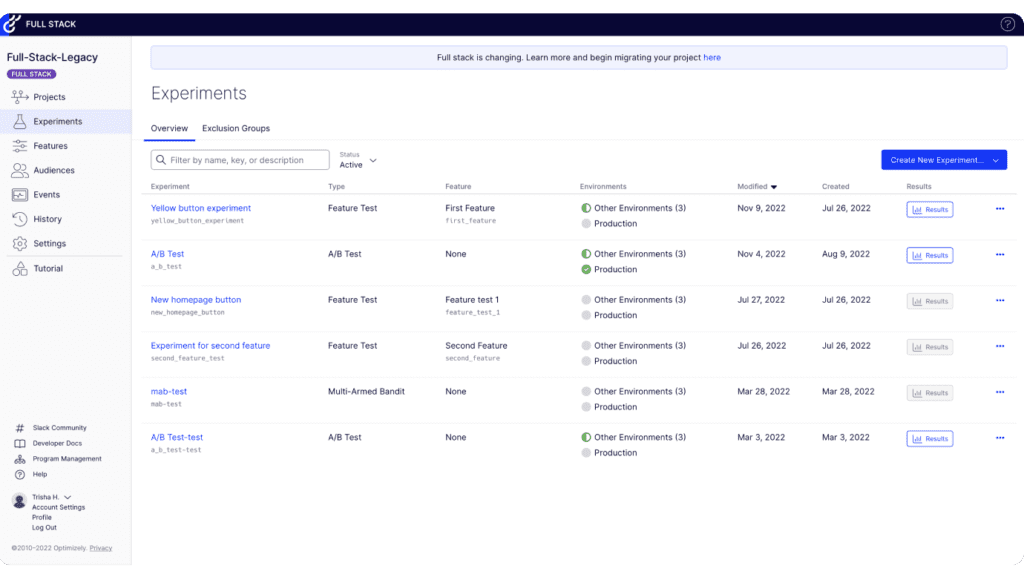
    A/B testing, also known as split testing, is a proven method for optimizing design. It involves comparing two versions of a design (A and B) to determine which one performs better in terms of engagement, conversions, or other key metrics.

    Caption: The AI-accelerated platform Optimizely has embedded AI natively across its fully composable DXP.

    The Role of AI in A/B Testing

    AI enhances A/B testing by automating many aspects of the process. AI algorithms can:

    • Identify Key Metrics: Pinpoint the most important metrics to track so designers focus on what truly matters.
    • Segment Audiences: Group users by behavior, preferences, or demographics to tailor experiments more effectively.
    • Predict Outcomes: Analyze historical data to forecast which variations are most likely to succeed.
    • Iterate Rapidly: Test multiple variations simultaneously, accelerating optimization cycles.

    Multivariate Testing: Exploring Design Possibilities

    While A/B testing compares two versions, multivariate testing evaluates multiple elements simultaneously. It is like running several A/B tests at the same time to see how combinations of changes influence behavior.

    AI’s Contribution to Multivariate Testing

    AI manages the complexity of analyzing many variables and their interactions. AI-driven multivariate testing can:

    • Scale Complexity: Handle a vast number of variations at once.
    • Discover Insights: Reveal hidden relationships between design elements and user behavior.
    • Optimize Continuously: Turn testing into an ongoing process that steadily improves performance.

    Refining User Interfaces with AI

    User interfaces are the gateway to digital experiences. AI introduces new capabilities that make interfaces more intuitive, responsive, and user-centered.

    Dynamic User Interfaces

    AI can transform static layouts into adaptive ones that respond in real time. For example, an ecommerce site might rearrange products based on browsing history to increase relevance.

    Predictive Interactions

    AI can anticipate user actions and adjust interface elements accordingly. A smart assistant might suggest content or actions based on habits and context, creating a smoother experience.

    Challenges and Considerations

    AI-driven optimization brings responsibility alongside opportunity.

    • Data Quality and Bias: If training data is biased or incomplete, results may be skewed and outcomes unfair.
    • Privacy Concerns: Collecting behavioral data requires a careful balance between insight gathering and user privacy.
    • Transparency and Explainability: When AI decisions are opaque, both designers and users may struggle to understand why certain outcomes occur, which can erode trust.

    The Future of Design Optimization

    As AI advances, several developments are likely.

    • Hyper-Personalization: Designs will increasingly adapt to each individual’s preferences and context, creating uniquely tailored experiences.
    • Real-Time Optimization: Interfaces will adjust continuously based on live interaction data to maintain peak performance.
    • Enhanced Collaboration: Designers and AI systems will work together more fluidly, with AI offering suggestions and insights that strengthen creativity.

    Conclusion

    Design optimization with AI embraces data-driven decision making to create experiences that engage and satisfy. A/B testing and multivariate testing gain precision and speed through intelligent automation. As AI continues to evolve, the future points toward deeper personalization, continuous improvement, and richer collaboration. In this AI-infused era, design optimization becomes a living, adaptive craft rather than a static process.

    If you enjoyed reading this article, please share it with a colleague or friend, and join me next week to learn about accessibility and inclusivity.

  • Personalization and Customization

    Personalization and Customization

    [fusion_builder_container background_parallax=”none” enable_mobile=”no” parallax_speed=”0.3″ background_repeat=”no-repeat” background_position=”left top” video_aspect_ratio=”16:9″ video_mute=”yes” video_loop=”yes” fade=”no” padding_top=”20″ padding_bottom=”20″ hundred_percent=”no” equal_height_columns=”no” hide_on_mobile=”no” type=”flex” border_sizes_top=”0px” border_sizes_bottom=”0px” border_sizes_left=”0px” border_sizes_right=”0px”][fusion_builder_row][fusion_builder_column type=”1_1″ layout=”1_1″ spacing=”yes” center_content=”no” hover_type=”none” link=”” min_height=”” hide_on_mobile=”no” class=”” id=”” background_color=”” background_image=”” background_position=”left top” undefined=”” background_repeat=”no-repeat” border_color=”” border_style=”solid” border_position=”all” padding_top=”0px” padding_right=”10%” padding_bottom=”0px” padding_left=”10%” margin_top=”” margin_bottom=”” animation_type=”” animation_direction=”left” animation_speed=”0.1″ animation_offset=”” last=”true” border_sizes_top=”0″ border_sizes_bottom=”0″ border_sizes_left=”0″ border_sizes_right=”0″ first=”true”][fusion_imageframe image_id=”2241|full” aspect_ratio=”” custom_aspect_ratio=”100″ aspect_ratio_position=”” skip_lazy_load=”” lightbox=”yes” gallery_id=”” lightbox_image=”” lightbox_image_id=”” alt=”” link=”” linktarget=”_self” hide_on_mobile=”no” sticky_display=”normal,sticky” class=”” id=”” max_width=”” sticky_max_width=”” align_medium=”none” align_small=”none” align=”center” mask=”” custom_mask=”” mask_size=”” mask_custom_size=”” mask_position=”” mask_custom_position=”” mask_repeat=”” style_type=”none” blur=”” stylecolor=”” hue=”” saturation=”” lightness=”” alpha=”” hover_type=”liftup” magnify_full_img=”” magnify_duration=”120″ scroll_height=”100″ scroll_speed=”1″ margin_top_medium=”” margin_right_medium=”” margin_bottom_medium=”” margin_left_medium=”” margin_top_small=”” margin_right_small=”” margin_bottom_small=”” margin_left_small=”” margin_top=”” margin_right=”” margin_bottom=”” margin_left=”” bordersize=”0px” bordercolor=”” borderradius=”0″ z_index=”” caption_style=”off” caption_align_medium=”none” caption_align_small=”none” caption_align=”none” caption_title=”” caption_text=”” caption_title_tag=”2″ fusion_font_family_caption_title_font=”” fusion_font_variant_caption_title_font=”” caption_title_size=”” caption_title_line_height=”” caption_title_letter_spacing=”” caption_title_transform=”” caption_title_color=”” caption_background_color=”” fusion_font_family_caption_text_font=”” fusion_font_variant_caption_text_font=”” caption_text_size=”” caption_text_line_height=”” caption_text_letter_spacing=”” caption_text_transform=”” caption_text_color=”” caption_border_color=”” caption_overlay_color=”” caption_margin_top=”” caption_margin_right=”” caption_margin_bottom=”” caption_margin_left=”” animation_type=”” animation_direction=”down” animation_color=”” animation_speed=”0.1″ animation_delay=”0″ animation_offset=”” filter_hue=”0″ filter_saturation=”100″ filter_brightness=”100″ filter_contrast=”100″ filter_invert=”0″ filter_sepia=”0″ filter_opacity=”100″ filter_blur=”0″ filter_hue_hover=”0″ filter_saturation_hover=”100″ filter_brightness_hover=”100″ filter_contrast_hover=”100″ filter_invert_hover=”0″ filter_sepia_hover=”0″ filter_opacity_hover=”100″ filter_blur_hover=”0″]https://danolsavsky.com/wp-content/uploads/2023/10/ai_prod_design_11.png[/fusion_imageframe][fusion_separator style_type=”none” top_margin=”50px” alignment=”center” /][fusion_global id=”2272″][fusion_separator style_type=”none” top_margin=”50px” alignment=”center” /][fusion_text columns=”” column_min_width=”” column_spacing=”” rule_style=”” rule_size=”” rule_color=”” hue=”” saturation=”” lightness=”” alpha=”” content_alignment_medium=”” content_alignment_small=”” content_alignment=”” hide_on_mobile=”small-visibility,medium-visibility,large-visibility” sticky_display=”normal,sticky” class=”” id=”” margin_top=”” margin_right=”” margin_bottom=”” margin_left=”” fusion_font_family_text_font=”” fusion_font_variant_text_font=”” font_size=”” line_height=”” letter_spacing=”” text_transform=”” text_color=”” animation_type=”” animation_direction=”left” animation_color=”” animation_speed=”0.3″ animation_delay=”0″ animation_offset=””]

    In today’s digital landscape, where users are overwhelmed with information and choices, personalization and customization have emerged as the pillars of a compelling user experience. Enter Artificial Intelligence (AI), the driving force behind the ability to tailor products, services, and content to individual preferences and needs. This article embarks on a deep dive into how AI empowers personalized user experiences, unveiling the mechanics of recommendation systems and content customization that enhance engagement and user satisfaction. Welcome to the era where AI crafts unique journeys for every user, reshaping the way we interact with technology.

    The Rise of Personalization

    Personalization is not a novel concept, but its implementation has reached unprecedented heights with the advent of AI. At its core, personalization aims to create experiences that resonate on an individual level, making users feel understood and valued. AI achieves this by harnessing vast amounts of data, processing it in real time, and delivering tailored recommendations, content, and interfaces.

    Recommendation Systems: The Magic of Personalization

    At the heart of AI-driven personalization lies recommendation systems. These systems analyze user data, including past behavior, preferences, and interactions, to make informed predictions about what users might like or find valuable. The mechanics are complex, involving algorithms that continuously learn and adapt to user feedback. Whether it’s suggesting movies on a streaming platform, products in an e-commerce store, or articles on a news website, recommendation systems are omnipresent, driving user engagement and retention.

    [/fusion_text][fusion_imageframe image_id=”2242|full” aspect_ratio=”” custom_aspect_ratio=”100″ aspect_ratio_position=”” skip_lazy_load=”” lightbox=”no” gallery_id=”” lightbox_image=”” lightbox_image_id=”” alt=”” link=”” linktarget=”_self” hide_on_mobile=”small-visibility,medium-visibility,large-visibility” sticky_display=”normal,sticky” class=”” id=”” max_width=”” sticky_max_width=”” align_medium=”none” align_small=”none” align=”none” mask=”” custom_mask=”” mask_size=”” mask_custom_size=”” mask_position=”” mask_custom_position=”” mask_repeat=”” style_type=”” blur=”” stylecolor=”” hue=”” saturation=”” lightness=”” alpha=”” hover_type=”none” magnify_full_img=”” magnify_duration=”120″ scroll_height=”100″ scroll_speed=”1″ margin_top_medium=”” margin_right_medium=”” margin_bottom_medium=”” margin_left_medium=”” margin_top_small=”” margin_right_small=”” margin_bottom_small=”” margin_left_small=”” margin_top=”” margin_right=”” margin_bottom=”” margin_left=”” bordersize=”” bordercolor=”” borderradius=”” z_index=”” caption_style=”off” caption_align_medium=”none” caption_align_small=”none” caption_align=”none” caption_title=”” caption_text=”” caption_title_tag=”2″ fusion_font_family_caption_title_font=”” fusion_font_variant_caption_title_font=”” caption_title_size=”” caption_title_line_height=”” caption_title_letter_spacing=”” caption_title_transform=”” caption_title_color=”” caption_background_color=”” fusion_font_family_caption_text_font=”” fusion_font_variant_caption_text_font=”” caption_text_size=”” caption_text_line_height=”” caption_text_letter_spacing=”” caption_text_transform=”” caption_text_color=”” caption_border_color=”” caption_overlay_color=”” caption_margin_top=”” caption_margin_right=”” caption_margin_bottom=”” caption_margin_left=”” animation_type=”” animation_direction=”left” animation_color=”” animation_speed=”0.3″ animation_delay=”0″ animation_offset=”” filter_hue=”0″ filter_saturation=”100″ filter_brightness=”100″ filter_contrast=”100″ filter_invert=”0″ filter_sepia=”0″ filter_opacity=”100″ filter_blur=”0″ filter_hue_hover=”0″ filter_saturation_hover=”100″ filter_brightness_hover=”100″ filter_contrast_hover=”100″ filter_invert_hover=”0″ filter_sepia_hover=”0″ filter_opacity_hover=”100″ filter_blur_hover=”0″]https://danolsavsky.com/wp-content/uploads/2023/10/ex_basspro.png[/fusion_imageframe][fusion_text columns=”” column_min_width=”” column_spacing=”” rule_style=”” rule_size=”” rule_color=”” hue=”” saturation=”” lightness=”” alpha=”” content_alignment_medium=”” content_alignment_small=”” content_alignment=”” hide_on_mobile=”small-visibility,medium-visibility,large-visibility” sticky_display=”normal,sticky” class=”” id=”” margin_top=”” margin_right=”” margin_bottom=”” margin_left=”” fusion_font_family_text_font=”” fusion_font_variant_text_font=”” font_size=”” line_height=”” letter_spacing=”” text_transform=”” text_color=”” animation_type=”” animation_direction=”left” animation_color=”” animation_speed=”0.3″ animation_delay=”0″ animation_offset=””]

    The AI-powered platform Coveo can predict what people need, before they even know they need it

    [/fusion_text][fusion_text columns=”” column_min_width=”” column_spacing=”” rule_style=”” rule_size=”” rule_color=”” hue=”” saturation=”” lightness=”” alpha=”” content_alignment_medium=”” content_alignment_small=”” content_alignment=”” hide_on_mobile=”small-visibility,medium-visibility,large-visibility” sticky_display=”normal,sticky” class=”” id=”” margin_top=”” margin_right=”” margin_bottom=”” margin_left=”” fusion_font_family_text_font=”” fusion_font_variant_text_font=”” font_size=”” line_height=”” letter_spacing=”” text_transform=”” text_color=”” animation_type=”” animation_direction=”left” animation_color=”” animation_speed=”0.3″ animation_delay=”0″ animation_offset=””]

    The Inner Workings of Recommendation Algorithms

    To understand the mechanics of recommendation systems, it’s essential to explore the two primary types of algorithms they employ:

    Collaborative Filtering

    Collaborative filtering relies on user behavior patterns and preferences. It identifies users with similar tastes and recommends items that those similar users have interacted with. There are two main collaborative filtering approaches: user-based and item-based.

    • User-Based Collaborative Filtering: This method identifies users who exhibit similar behavior and recommends items based on what those like-minded users have chosen.
    • Item-Based Collaborative Filtering: In this approach, the system recommends items similar to those the user has shown interest in, based on item-item similarities.

    Content-Based Filtering

    Content-based filtering, on the other hand, relies on the attributes of items and a user profile. It recommends items that are similar in characteristics to those a user has shown interest in.

    Beyond Recommendations: Content Customization

    While recommendation systems focus on suggesting items, content customization takes personalization a step further by tailoring the actual content itself. AI-driven content customization involves dynamically altering text, images, or other media to match a user’s preferences or context.

    For instance, an e-learning platform might customize course content based on a student’s learning pace and interests. Similarly, a news website can personalize headlines and articles to align with a user’s reading history and preferences.

    The Impact on User Engagement

    The implementation of personalization and content customization is not just about offering a personalized experience; it directly affects user engagement. When users encounter content that aligns with their interests, they are more likely to:

    • Spend more time on a platform.
    • Interact with content, whether through likes, comments, or shares.
    • Make purchases or consume more content.

    Challenges and Ethical Considerations

    While AI-driven personalization brings tremendous benefits, it also raises important challenges and ethical considerations:

    Data Privacy and Security

    To deliver personalized experiences, AI relies on user data. Safeguarding this data against breaches and ensuring user privacy are paramount concerns. Striking the right balance between personalization and data protection is an ongoing challenge.

    Filter Bubbles and Echo Chambers

    Over-reliance on personalization can lead to filter bubbles, where users are exposed only to content that aligns with their existing beliefs and interests. This can reinforce bias and limit exposure to diverse perspectives.

    User Consent and Transparency

    Users should have control over the extent of personalization applied to their experience. Transparency about how AI operates and the ability to opt out of personalized features are essential for maintaining trust.

    The Future of AI-Powered Personalization

    As AI continues to advance, the future of personalization holds exciting possibilities. AI may move beyond traditional recommendation systems and content customization to offer real-time, context-aware personalization. Imagine a world where every interaction with technology adapts seamlessly to your needs and preferences, providing a truly tailored experience.

    Conclusion

    AI has ushered in a new era of personalization and customization, where every user is treated as an individual with unique preferences and needs. Recommendation systems and content customization algorithms lie at the heart of this transformation, reshaping how we interact with digital platforms. While challenges exist, the potential for enhancing user engagement and satisfaction is immense. As AI continues to evolve, the future promises even more personalized and meaningful experiences, revolutionizing the way we engage with technology.

    [/fusion_text][fusion_text columns=”” column_min_width=”” column_spacing=”” rule_style=”” rule_size=”” rule_color=”” hue=”” saturation=”” lightness=”” alpha=”” content_alignment_medium=”” content_alignment_small=”” content_alignment=”” hide_on_mobile=”small-visibility,medium-visibility,large-visibility” sticky_display=”normal,sticky” class=”” id=”” margin_top=”” margin_right=”” margin_bottom=”” margin_left=”” fusion_font_family_text_font=”” fusion_font_variant_text_font=”” font_size=”” line_height=”” letter_spacing=”” text_transform=”” text_color=”” animation_type=”” animation_direction=”left” animation_color=”” animation_speed=”0.3″ animation_delay=”0″ animation_offset=””]

    If you enjoyed reading this article, please share it with a colleague or friend, and join me next week to learn about Design Optimization with AI.

    [/fusion_text][fusion_global id=”2309″][/fusion_builder_column][/fusion_builder_row][/fusion_builder_container]
  • AI-Driven Ideation and Concept Generation

    AI-Driven Ideation and Concept Generation

    In the realm of product design, the spark of innovation often ignites in the crucible of ideation. It is the stage where ideas take flight and creativity knows no bounds. Now imagine having an ingenious co-creator by your side, one that not only keeps up with your creative musings but accelerates them. Enter Artificial Intelligence, a formidable ally that invigorates the creative process, breathing life into ideation and rapidly generating design prototypes and mockups. This journey reveals how AI contributes to more efficient and innovative product design.

    AI: The Catalyst for Creativity

    The creative process can be exhilarating, yet unpredictable. AI steps in as a steady collaborator, offering inspiration and fresh perspectives. Algorithms can analyze vast datasets of design trends, user preferences, and historical successes to provide valuable insights and suggestions. This data-driven approach fuels creativity and helps designers explore new territory with confidence.

    From Concept to Reality in Minutes

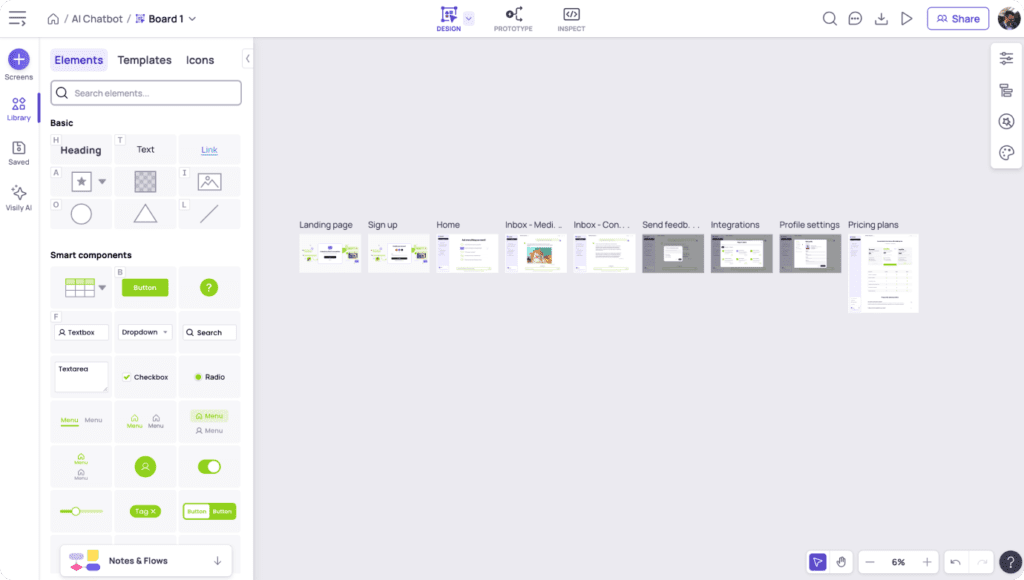
    The traditional path from idea to prototype can be slow and demanding. AI dramatically shortens this journey. With AI-powered design tools, concepts can become tangible prototypes within minutes. These systems interpret design intent and automate the creation of mockups and wireframes. The acceleration saves time and empowers rapid iteration, allowing designers to test and refine ideas at an unprecedented pace.

    Caption: The AI-powered app Visily can generate design prototypes in seconds.

    AI’s Role in Innovation

    Innovation thrives on experimentation and exploration. AI supports this by generating design variations and surfacing suggestions that may not have emerged otherwise. By automating repetitive tasks, AI frees designers to focus on higher-level thinking and creative exploration. The synergy between human creativity and AI-driven efficiency often leads to breakthroughs and novel solutions.

    The User-Centric Advantage

    AI does not operate in isolation. It is deeply connected to the user experience. By analyzing feedback and behavior, AI informs design decisions during ideation and prototyping. This alignment ensures that the final product is not only inventive but also closely matched to user expectations and preferences.

    The Future of Design Collaboration

    Looking ahead, AI is poised to become an indispensable creative partner. Designers are no longer constrained by manual ideation and prototyping alone. With AI alongside them, they can push creative boundaries, transform ideas into reality faster, and usher in a new era of efficient and imaginative product design.

    Conclusion

    AI-enhanced ideation and prototyping are reshaping the design landscape. AI injects new ideas, accelerates workflows, fuels innovation, and keeps users at the center of the creative journey. This partnership points toward a future where creativity expands, efficiency rises, and innovation becomes second nature.

    If you enjoyed reading this article, please share it with a colleague or friend, and join me next week to learn about personalization and customization.

  • AI-Powered User Research

    AI-Powered User Research

    User research, the backbone of informed design, is undergoing a remarkable transformation with the rise of Artificial Intelligence (AI). In this article, we explore the evolution of user research as AI takes the driver’s seat. We look at how AI is revolutionizing data collection, sentiment analysis, behavior tracking, and persona creation, reshaping the way designers understand and empathize with their users.

    The Essence of User Research

    User research is the foundation of user-centered design. It involves understanding behaviors, needs, and preferences to inform design decisions. Traditionally, research has relied on surveys, interviews, and observation. While valuable, these methods can be time consuming and subject to bias.

    AI’s Disruptive Role in User Research

    AI introduces new efficiency and depth. By automating parts of the research process and leveraging big data, AI can unlock insights that were previously difficult or impossible to access.

    Data Collection Reinvented

    AI accelerates data collection by analyzing large volumes of online and offline user-generated content. This includes social posts, product reviews, customer support conversations, and more. Key advantages include scale, real-time insights, and cross-channel analysis.

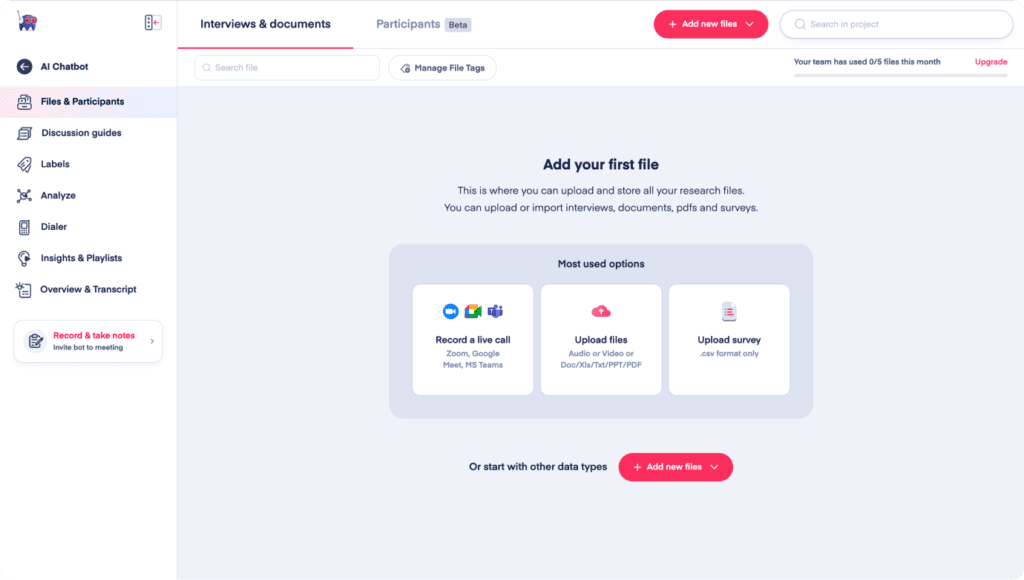
    Caption: The AI-powered app Marvin can record and analyze research data in seconds.

    Sentiment Analysis at Scale

    Sentiment analysis determines user emotions and attitudes from text data. AI-powered sentiment analysis can process massive datasets to uncover patterns and trends. Key contributions include emotion recognition, contextual understanding, and customization.

    Behavior Tracking with Precision

    Understanding user behavior is essential for effective design. AI-driven behavior tracking reveals how users interact with products and services. AI contributes through journey mapping, predictive analytics, and insights derived from A/B testing.

    Persona Creation and Personalization

    Personas are fictional representations of target users. AI streamlines persona creation by analyzing user data and generating personas based on real behavior. AI-enhanced personas are data-driven, dynamic, and support hyper-personalized experiences.

    Challenges and Ethical Considerations

    AI-powered user research also introduces important responsibilities:

    • Data Privacy: Data collection and analysis must respect privacy regulations and user consent.

    • Bias Mitigation: Algorithms must be trained and monitored to avoid reinforcing bias in findings.

    • Transparency: Users should understand how their data is used, and transparency helps maintain trust.

    The Future of AI-Powered User Research

    User research will continue to evolve as AI advances:

    • Multimodal Analysis: AI will combine text, images, voice, and other sources for richer insights.

    • Emotion and Sentiment Enhancement: Better interpretation of complex emotions will enable deeper empathy.

    • Real-Time Predictive Insights: Real-time analysis and prediction will help teams make informed decisions faster.

    Conclusion

    AI is making user research more efficient, scalable, and insightful. By automating data collection, strengthening sentiment analysis, tracking behavior, and improving persona creation, AI helps designers build more user-centered and personalized experiences. As AI progresses, the synergy between design and AI-driven research will shape the future of user-centered design, ensuring products and services that resonate more deeply with user needs.

    If you enjoyed reading this article, please share it with a colleague or friend, and join me next week to learn about AI-driven ideation and concept generation.

  • Introduction to AI in Product Design

    Introduction to AI in Product Design

    In the ever-evolving landscape of product design, a new frontier has emerged that promises to reshape how we conceive and craft products: Artificial Intelligence. This introduction explores AI’s growing role in product design and highlights the significance and advantages it brings to the creative process. It is a journey that points toward the future of design.

    The Profound Significance

    AI is not simply a buzzword. It is a transformative force already reshaping the design industry. Traditionally, product design relied heavily on human creativity and intuition, both invaluable yet limited. AI enters as a powerful ally, extending the boundaries of design thinking. Its significance lies in the ability to analyze vast datasets, identify patterns, and generate insights that might otherwise be missed. This data-driven approach empowers designers to make more informed decisions, resulting in more user-centric and effective outcomes.

    Unveiling the Advantages

    The benefits of incorporating AI into product design are wide-ranging. One of the most immediate advantages is speed. Tasks that once took days or weeks can now be completed in a fraction of the time. AI-powered tools can rapidly generate design prototypes, allowing designers to dedicate more energy to strategic and creative thinking.

    Caption: The AI-powered app Visily can generate design prototypes in seconds.

    AI also enhances user research. Through sentiment analysis and behavior tracking, designers gain deeper insight into their audiences. These insights inform better design decisions and help create products that resonate more strongly with real user needs.

    Personalization and customization are additional strengths. Recommendation systems and adaptive content powered by AI allow designers to deliver tailored experiences, increasing engagement and satisfaction.

    The Synergy of Human Creativity and AI

    One truth stands out clearly: AI does not replace human designers. It elevates them. The combination of human creativity and AI’s analytical power creates a powerful partnership. Designers can explore bold concepts, test new directions, and iterate quickly while supported by reliable data and insights. This collaboration between humans and intelligent systems represents a new peak in design innovation.

    Conclusion

    The integration of AI into product design signals a profound shift. It ushers in an era where design cycles accelerate, research becomes more precise, and personalized experiences become the standard. Through all of this change, one constant remains: the most impactful designs emerge when human imagination and AI intelligence work together. The future of design is unfolding now, and it is full of possibility.

    If you enjoyed reading this article, please share it with a colleague or friend, and join me next week to learn about AI-powered user research.

  • Unlocking the Power of AI in Product Design

    Unlocking the Power of AI in Product Design

    Foreword

    As a senior product designer, I recently embarked on a journey into the intricate world of Artificial Intelligence. To say I was impressed would be an understatement. What I discovered left me awe-struck and invigorated. In my eyes, AI is not just a technological advancement. It is a paradigm shift comparable to, and possibly surpassing, the revolutionary impact of the smartphone.

    The possibilities AI brings to our creative canvas are boundless, reshaping how we ideate, innovate, and interact. This series of articles is more than documentation of discoveries. It is a passionate effort to share the marvels of AI with fellow designers. By understanding and harnessing the power of AI, we are not merely adapting to change. We are pioneering a new era of design where visions are amplified, solutions are smarter, and creations are truly limitless.

    Join me on this expedition into the heart of AI, where inspiration meets innovation and together we unlock its unparalleled potential for the future of design.

    Series Contents

    Step into the dynamic world of AI-infused product design with this blog series. Across ten articles, you will explore how to harness emerging AI tools and technologies to strengthen your design skills. The journey covers both the possibilities AI unlocks and the ethical responsibilities that come with it.

    Week 1. Introduction to AI in Product Design

    Explore AI’s transformative role in product design and the advantages it brings to the creative process.

    Week 2. AI-Powered User Research

    Witness the evolution of research as AI revolutionizes data collection, sentiment analysis, behavior tracking, and persona creation.

    Week 3. AI-Driven Ideation and Concept Generation

    See how AI fuels creativity, accelerates ideation, and enables rapid prototyping.

    Week 4. Personalization and Customization

    Dive into how AI powers personalized user experiences through recommendation systems and adaptive content.

    Week 5. Design Optimization with AI

    Uncover AI’s potential in A/B testing, multivariate testing, and interface refinement for better performance.

    Week 6. Accessibility and Inclusivity

    Examine how AI technologies support more accessible and inclusive products through screen readers, voice interfaces, and captioning tools.

    Week 7. Natural Language Processing in UX

    Investigate NLP’s role in chatbots, voice assistants, and content analysis, along with best practices for conversational interfaces.

    Week 8. AI for Design Automation

    Explore how AI automates repetitive tasks, generates design variations, and streamlines layout processes.

    Week 9. Ethical Considerations in AI-Driven Design

    Navigate issues of bias, privacy, and transparency while learning responsible design practices.

    Week 10. Future Trends and Challenges

    Look ahead to emerging trends, data privacy regulations, AI interpretability, and the evolving responsibilities of designers.

    Each topic opens the door to AI’s vast potential in product design while emphasizing the ethical considerations that shape its future. Check back each week to stay ahead of the curve and fully embrace the capabilities AI brings to the design world.

  • Designing with Empathy: Evaluating and Scaling Empathetic Design

    Designing with Empathy: Evaluating and Scaling Empathetic Design

    In this lesson, we embark on a journey to assess and expand upon the empathetic design principles we’ve cultivated thus far. We’ll explore methods for measuring the effectiveness of empathetic design through metrics and assessment tools. Additionally, we’ll uncover strategies for scaling empathy across teams and organizations, fostering a culture of user-centricity that extends beyond individual projects. Finally, we’ll draw inspiration from real-world case studies and best practices, providing valuable insights into successful implementations of empathetic design. Get ready to evaluate and scale your empathetic design practices, enriching your approach and impact in the realm of design.

    Measuring Empathy in Design: Metrics and Assessment Tools

    Measuring empathy in design involves utilizing specific metrics and assessment tools to gauge the effectiveness of empathetic strategies. Metrics might include user satisfaction ratings, emotional engagement metrics, or feedback on user experiences. Assessment tools like surveys, empathy mapping techniques, and usability testing help quantify and qualify the impact of empathetic design on user interactions.

    Example User Satisfaction Survey

    Thank you for participating in this survey to help us evaluate the effectiveness of our product. Your feedback is invaluable in shaping our approach to creating user-centric experiences.

    1. On a scale of 1 to 5, how satisfied are you with your recent experience using our product/service?
      • 1: Very Dissatisfied
      • 2: Dissatisfied
      • 3: Neutral
      • 4: Satisfied
      • 5: Very Satisfied
    2. How well did our product/service address your emotional needs and preferences?
      • Not at all
      • Somewhat
      • Moderately
      • Very well
      • Exceptionally well
    3. To what extent do you feel that our design reflects an understanding of your needs and concerns?
      • Not at all
      • Somewhat
      • Moderately
      • Very much
      • Completely
    4. Did you feel that our product/service demonstrated empathy towards your situation or challenges?
      • Not at all
      • Somewhat
      • Moderately
      • Very much
      • Absolutely
    5. How easy was it for you to navigate and interact with our product/service?
      • Very Difficult
      • Difficult
      • Neutral
      • Easy
      • Very Easy
    6. Based on your experience, how likely are you to recommend our product/service to others?
      • Not at all likely
      • Slightly likely
      • Moderately likely
      • Very likely
      • Extremely likely
    7. Do you have any suggestions or feedback on how we can further enhance our empathetic design approach?

    Thank you for taking the time to complete this survey. Your input is invaluable in helping us improve our products/services to better meet your needs and expectations.

    Strategies for Scaling Empathy Across Teams and Organizations

    Scaling empathy across teams and organizations requires a cultural shift towards prioritizing user-centricity. Strategies include fostering a shared understanding of the importance of empathy, integrating empathy into company values and processes, and conducting empathy-focused training sessions. Encouraging cross-department collaboration and regularly sharing user stories and insights further embeds empathy in the organizational DNA.

    Here are some strategies to achieve this:

    1. Leadership Support and Modeling: Leadership should demonstrate and advocate for empathetic behavior in all interactions, both internally and externally. When leaders prioritize empathy, it sets a precedent for the rest of the organization to follow.
    2. Training and Workshops: Offer training sessions and workshops on empathy and its importance in various aspects of the organization, including customer service, product development, and team collaboration. These sessions can include case studies, role-playing exercises, and discussions to reinforce understanding and application.
    3. Incorporate Empathy into Values and Mission: Integrate empathy into the organization’s core values and mission statement. By explicitly stating the importance of empathy, it becomes a guiding principle that informs decision-making and actions at all levels.

    By implementing these strategies, organizations can create a culture where empathy is valued, understood, and practiced by all employees. This not only leads to better relationships with customers and stakeholders but also fosters a more inclusive and supportive work environment.

    Real-World Case Studies and Best Practices in Empathetic Design Implementation

    Exploring real-world case studies and best practices offers tangible examples of successful empathetic design implementations. These case studies highlight how organizations applied empathy to solve user problems effectively. Analyzing these cases provides valuable insights into the practical application of empathetic design principles, offering inspiration and guidance for implementation.

    A compelling real-world case study in empathetic design is Airbnb’s “Open Homes” initiative. This initiative allows hosts to offer free housing to displaced individuals during crises such as natural disasters or conflicts. By empathizing with the needs of displaced individuals, adopting a user-centric approach, collaborating with communities, measuring impact, and ensuring scalability and sustainability, Airbnb has created a solution that makes a meaningful difference in people’s lives during times of crisis.

    Another excellent example of empathetic design is the redesign of the Mayo Clinic’s patient experience. It exemplifies empathetic design principles by understanding patient needs, co-creating with patients, creating a welcoming environment, streamlining processes, empowering patients, and prioritizing continuous improvement. This patient-centered approach has resulted in a more compassionate, supportive, and effective healthcare experience for patients and their families.

    Key Takeaways

    • Empathy Measurement Tools: Utilize metrics and assessment tools to measure the impact of empathetic design on user experiences.
    • Cultural Integration Strategies: Implement strategies to scale empathy, fostering a user-centric culture across teams and organizations.
    • Learning from Case Studies: Real-world case studies provide valuable insights and best practices for effective empathetic design implementation.

    By employing measurement tools to assess empathy’s impact, implementing strategies for scaling empathy across teams, and drawing inspiration from successful case studies, organizations can systematically integrate and amplify empathetic design practices. This fosters a culture where empathetic design is not just a concept but a fundamental guiding principle driving impactful user experiences.


    Thank you for taking the time to read my article! I value your interest and engagement. I invite you to continue the conversation by sharing your thoughts, questions, or feedback in the comments section below.

    Don’t forget to like and share this article with your network if you found it valuable. And remember to check back in a couple weeks for my next insightful article. Until then, stay creative and keep exploring!

  • Designing with Empathy: Empathy in Product Development

    Designing with Empathy: Empathy in Product Development


    From ideation to prototyping, this lesson explores how embedding empathy in the creative process enriches designs with emotional resonance. Additionally, we’ll uncover the art of testing for user empathy and emotional responses, refining products for enhanced user experiences. Lastly, we’ll address the delicate balance required to harmonize empathy with functional and business objectives, ensuring that empathetic design aligns seamlessly with broader goals.

    Implementing Empathy in Ideation and Prototyping

    Infusing empathy into ideation involves considering users’ emotional needs and experiences right from the initial concept phase. Design thinking sessions that focus on understanding user stories, pain points, and desires pave the way for ideation steeped in empathy. Prototyping with empathy means creating tangible representations that reflect users’ emotions and interactions, allowing for iterative improvements based on empathetic feedback.

    Testing for User Empathy and Emotional Response

    User testing goes beyond functionality to assess how users emotionally engage with a product or service. Techniques like user interviews, observation, and task-based assessments uncover emotional responses. Understanding users’ emotional reactions helps refine design elements to evoke desired emotional responses and enhance overall user experiences.

    Balancing Empathy with Functional and Business Objectives

    While empathy is pivotal, it must align with functional requirements and business goals. Designers navigate a delicate balance between creating emotionally resonant experiences and meeting functional needs and business objectives. This entails considering trade-offs where necessary to ensure that empathetic design doesn’t compromise usability or financial viability.

    Key Takeaways

    • Empathy-driven Ideation: Incorporating empathy from the ideation stage fosters designs that resonate emotionally with users.
    • Testing Emotional Responses: User testing focused on emotional engagement helps refine designs for enhanced user experiences.
    • Harmonizing Empathy with Goals: Balancing empathy with functional and business objectives ensures designs are both emotionally engaging and aligned with broader goals.

    By integrating empathy into ideation and prototyping, testing for emotional responses, and striking a balance between empathy and practical objectives, designers create products that are not only functional but also emotionally resonant. This approach ensures that user experiences are deeply empathetic while meeting business and functional requirements.


    Thank you for taking the time to read my article! I value your interest and engagement. I invite you to continue the conversation by sharing your thoughts, questions, or feedback in the comments section below.

    Don’t forget to like and share this article with your network if you found it valuable. And remember to check back in a couple weeks for my next insightful article. Until then, stay creative and keep exploring!

  • Designing with Empathy: Infusing Empathy into Design Processes

    Designing with Empathy: Infusing Empathy into Design Processes

    In this lesson, we’ll explore how empathy becomes the cornerstone of UI/UX design, fostering intuitive interfaces that resonate with users on a deeper emotional level. Additionally, we’ll uncover the collaborative dynamics with stakeholders through an empathetic lens, ensuring design alignment with diverse perspectives. Finally, we’ll establish the importance of continuous feedback loops, facilitating ongoing empathy integration for designs that evolve with users’ changing needs.

    Integrating Empathy in UI/UX Design

    Empathy in UI/UX design involves understanding users’ emotions, behaviors, and needs to create interfaces that cater to their experiences. This segment explores designing with empathy, such as using inclusive design principles, intuitive navigation, and visually appealing elements to evoke positive user emotions and enhance usability.

    Inclusive Design Principles

    • Accessibility: Implementing features like alt text for images, keyboard navigation, and sufficient color contrast ensures access for users with disabilities, fostering a sense of inclusivity.
    • Diverse Representation: Including diverse imagery, content, and language that resonate with a wide range of users promotes inclusivity and a sense of belonging.
    • Adaptability: Designing interfaces that adapt to various devices and user preferences accommodates different user needs, enhancing usability for all.

    Intuitive Navigation

    • Clear Hierarchy: Structuring information hierarchically with clear headings, categories, and menus allows users to navigate seamlessly, reducing confusion and frustration.
    • Consistency: Maintaining consistent design elements and patterns across the interface aids users in predicting the system’s behavior, promoting ease of use.
    • User-Centric Flow: Designing workflows that align with users’ mental models and expectations enables intuitive interactions, leading to a positive emotional experience.

    Visually Appealing Elements

    • Engaging Visuals: Using high-quality images, appealing colors, and aesthetically pleasing layouts creates a visually engaging experience that evokes positive emotions.
    • Whitespace and Balance: Utilizing whitespace effectively and ensuring a balanced layout avoids overwhelming users, contributing to a more comfortable and pleasant interaction.
    • Emotionally Resonant Design: Incorporating design elements that evoke specific emotions—such as calming colors for relaxation apps or vibrant tones for energetic experiences—enhances user engagement.

    By implementing these principles, navigation techniques, and visually appealing elements, designers create an environment where users feel included, guided, and emotionally connected to the interface. This approach not only enhances usability but also fosters a positive emotional connection with the product or service.

    Collaborative Approaches with Stakeholders through Empathetic Lens

    Collaborating with stakeholders through an empathetic lens fosters a deeper understanding of diverse perspectives. By empathizing with stakeholders’ goals, concerns, and limitations, designers can align their design strategies with broader organizational objectives, ensuring inclusivity and shared understanding.

    Establishing Feedback Loops for Ongoing Empathy Integration

    Creating feedback loops ensures ongoing integration of empathy into design processes. These loops involve collecting user feedback, analyzing usability testing results, and actively seeking input from diverse user groups. Incorporating this feedback iteratively enhances empathy-driven design by addressing evolving user needs.

    Key Takeaways

    • UI/UX Design with Empathy: Integrating empathy in UI/UX enhances user experiences through intuitive and emotionally resonant designs.
    • Empathetic Collaboration: Engaging stakeholders empathetically fosters alignment between design goals and broader organizational objectives.
    • Continuous Feedback Integration: Establishing feedback loops enables iterative improvements, ensuring designs remain empathetic and responsive to evolving user needs.

    By embedding empathy into UI/UX design, fostering empathetic collaboration with stakeholders, and establishing continuous feedback loops, designers create experiences that resonate deeply with users while aligning with organizational goals. This empathetic approach ensures that design solutions are not only user-centric but also reflective of diverse perspectives and constantly evolving user needs.


    Thank you for taking the time to read my article! I value your interest and engagement. I invite you to continue the conversation by sharing your thoughts, questions, or feedback in the comments section below.

    Don’t forget to like and share this article with your network if you found it valuable. And remember to check back in a couple weeks for my next insightful article. Until then, stay creative and keep exploring!

  • Designing with Empathy: Journey Mapping Strategies

    Designing with Empathy: Journey Mapping Strategies

    This lesson delves into the powerful world of customer journey mapping—an essential tool for understanding user experiences comprehensively. We’ll explore the meticulous process of creating detailed journey maps that trace users’ interactions from start to finish. From pinpointing touchpoints and pain points to mapping emotional states throughout the user journey, this lesson equips designers with the tools to empathetically visualize and analyze the user’s holistic experience.

    Creating Comprehensive Customer Journey Maps

    Customer journey maps visualize the end-to-end experience users have with a product or service. Start by outlining the various stages users go through, from initial awareness to post-purchase interactions. For instance, in an e-commerce platform, stages might include ‘Browsing,’ ‘Adding to Cart,’ ‘Checkout,’ ‘Product Delivery,’ and ‘Customer Support.’ Each stage should detail user actions, emotions, and pain points encountered.

    Caption: A journey map (above) is a visual representation of the user’s experience with a product or service, illustrating their interactions, emotions, and pain points across various touchpoints. To fill in a journey map, plot the user’s actions, thoughts, and emotions at each stage of their journey, using insights from user research.

    Example

    1. Define the Scope and Purpose: Identify the specific user experience you want to map, whether it’s a product, service, or specific interaction. Determine the objectives of the map—whether it’s to improve a particular stage of the user journey or to gain a holistic understanding.
    2. Identify Personas and Stages: Refer to previously crafted user personas and outline the stages of the journey your users go through. Define the key stages from the user’s perspective, starting from initial awareness to post-interaction phases.
    3. Gather Data and Insights: Collect qualitative and quantitative data from user interviews, surveys, analytics, and feedback to understand user behaviors, emotions, pain points, and touchpoints at each stage.
    4. Plot Touchpoints and Actions: Within each stage, map out the touchpoints—every interaction point users have with your product or service. Identify the actions users take and the touchpoints they encounter, such as website visits, app usage, customer support interactions, etc.
    5. Highlight Emotional States and Pain Points: Document the emotional highs and lows users experience at different touchpoints. Pinpoint pain points—areas where users face difficulties, frustrations, or negative emotions.
    6. Create the Visual Representation: Design the journey map using visual elements like timelines, charts, or diagrams. Display the stages, touchpoints, actions, emotions, and pain points clearly to facilitate understanding.
    7. Validate and Iterate: Share the journey map with stakeholders, team members, or even users to validate its accuracy. Incorporate feedback and refine the map iteratively based on new insights or changes in the user experience.
    8. Utilize and Iterate: Use the journey map as a reference for making design decisions, improving user experiences, and aligning strategies. Regularly revisit and update the map to reflect changes in user behaviors or product/service modifications.

    Creating a customer journey map is an iterative process that involves continual refinement based on evolving user insights and feedback. The aim is to create a visual representation that empathetically captures the user’s experience, allowing for informed design decisions that enhance overall user satisfaction.

    Identifying Touchpoints and Pain Points in User Experience

    Within each stage of the journey map, identify touchpoints—moments where users interact with the product or service. These touchpoints could be website visits, app interactions, customer service calls, etc. Simultaneously, highlight pain points—areas where users encounter difficulties, frustrations, or negative emotions. Pinpointing these pain points helps in addressing areas for improvement.

    Mapping Emotional States Throughout User Interaction

    An essential aspect of journey maps is capturing the emotional journey of users. Document the emotional highs and lows users experience at different touchpoints. For example, during the ‘Checkout’ stage, a user might feel excited about finalizing a purchase but frustrated due to a complex payment process. Mapping these emotions provides insights into user sentiments and helps in tailoring experiences to evoke positive emotions.

    Key Takeaways

    • Comprehensive Journey Mapping: Visualizing the entire user journey helps in understanding the holistic user experience.
    • Touchpoints and Pain Points: Identifying touchpoints and pain points aids in focusing on areas that significantly impact user satisfaction.
    • Emotional Mapping for User Insights: Mapping emotional states helps in understanding and addressing user sentiments, influencing design decisions for better user experiences.

    By meticulously crafting comprehensive customer journey maps, identifying touchpoints and pain points, and mapping emotional states, designers gain a holistic view of the user experience. This understanding forms the foundation for creating solutions that address user needs and emotions at every stage of their interaction.


    Thank you for taking the time to read my article! I value your interest and engagement. I invite you to continue the conversation by sharing your thoughts, questions, or feedback in the comments section below.

    Don’t forget to like and share this article with your network if you found it valuable. And remember to check back in a couple weeks for my next insightful article. Until then, stay creative and keep exploring!