Tag: Product Design

  • Whats the difference between UX Design and UI Design?

    Whats the difference between UX Design and UI Design?

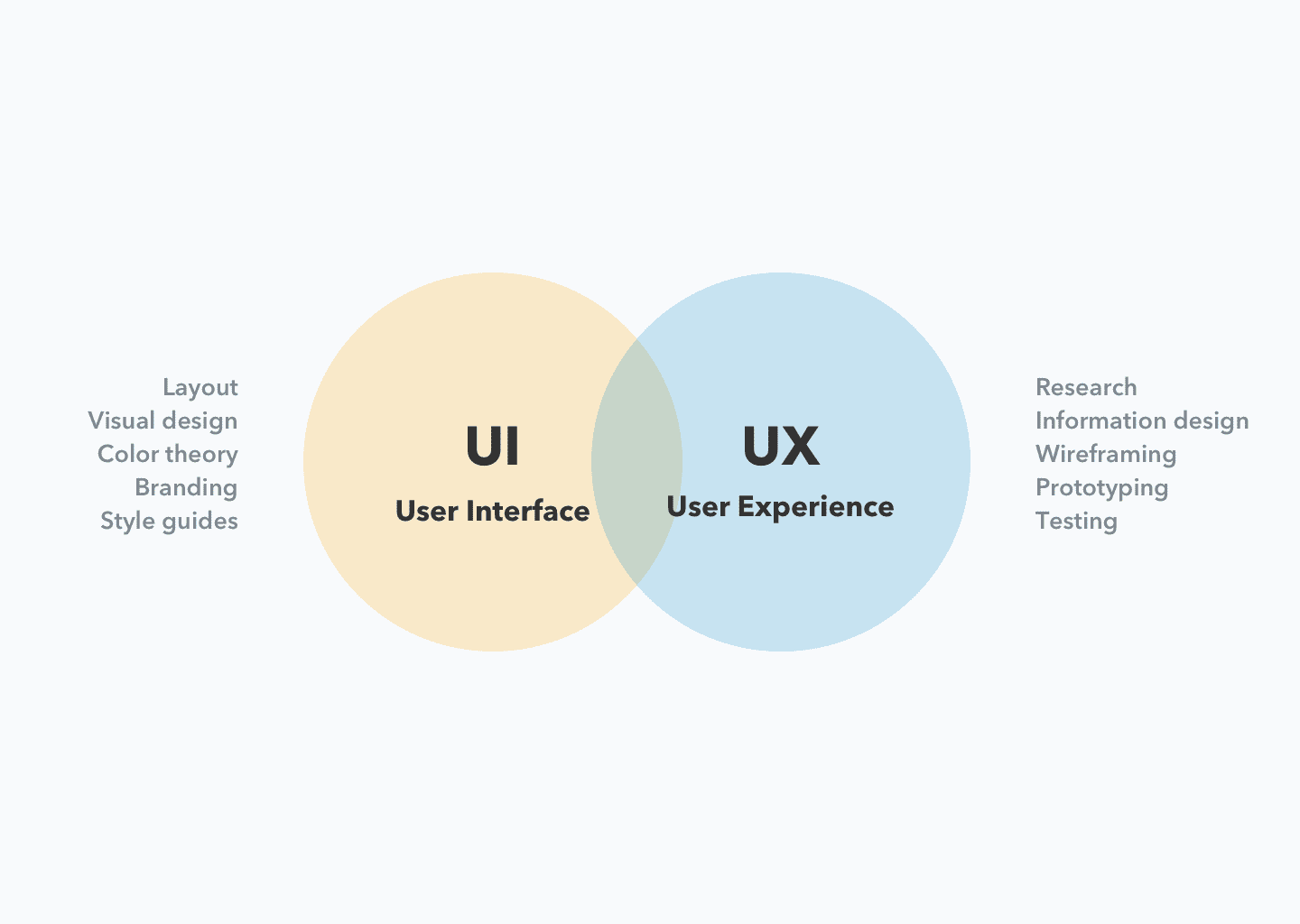
    UX (User Experience) Design and UI (User Interface) Design are two related but distinct fields in digital product design.

    UX design is focused on the overall feel of the product and how it meets the user’s needs and expectations. It involves research, prototyping, testing, and iterating to create a product that is both usable and enjoyable. UX designers focus on creating a seamless, intuitive, and efficient experience for users.

    UI design, on the other hand, is focused on the look and layout of the product’s interface. UI designers are responsible for creating the visual design, including the color scheme, typography, and the placement of elements on the screen. UI design is concerned with how the product is presented to the user, and how users interact with it.

    In conclusion, UX design is focused on the user’s experience, while UI design is focused on the visual and interactive design of the product. Both disciplines are important for creating successful digital products, and often work together to create a cohesive and delightful user experience.
  • 8 Tips on User Research

    8 Tips on User Research

    User research is the process of gathering data about users to inform design and product decisions. It involves studying and understanding the behavior, motivations, goals, and pain points of the people who will use a product.

    The goal of user research is to create products that are not only usable and functional, but also meet the needs and expectations of the target audience.

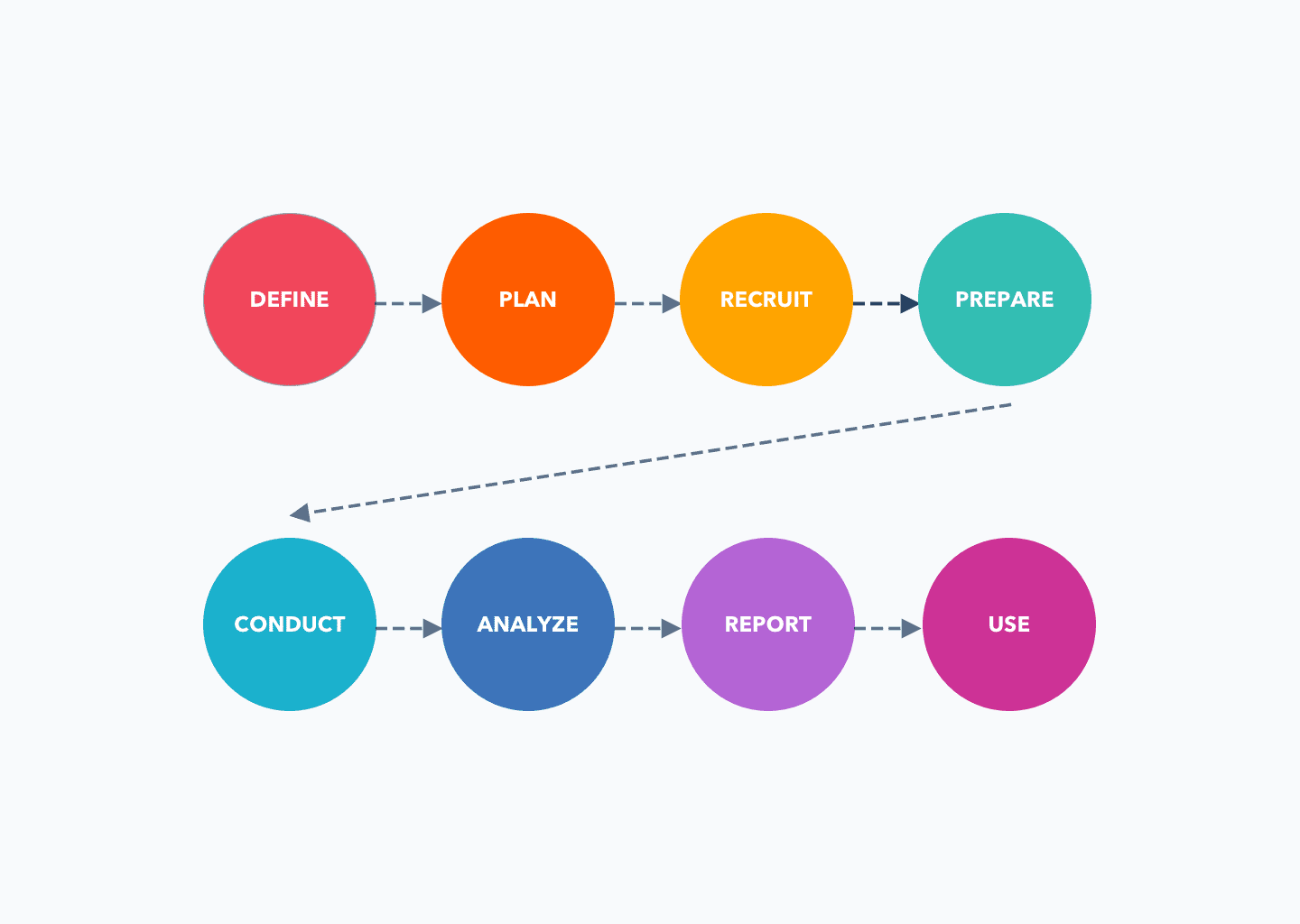
    Conducting user research involves the following steps:

    1. Define the research objectives: Clearly define what you want to learn from the research and what questions you need to answer.
    2. Plan the research methods: Choose the research methods that will best achieve your objectives, such as surveys, interviews, focus groups, usability testing, or other methods.
    3. Recruit participants: Identify and recruit participants who are representative of your target user group.
    4. Prepare for the research: Plan and prepare for each research method, including developing questions or tasks, setting up the environment, and testing equipment if necessary.
    5. Conduct the research: Carry out the research, following the methods and procedures you have planned.
    6. Analyze the data: Analyze the data you have collected, looking for patterns, trends, and insights.
    7. Report the findings: Summarize the findings of your research and present them in a clear and accessible way.
    8. Use the findings: Use the insights from your research to inform design and product decisions.

    User research can be qualitative or quantitative, and can involve a variety of methods, such as surveys, interviews, focus groups, usability testing, and observation.

    The data gathered through user research can inform design decisions, such as the features to include, the design of the interface, and the overall user experience.

    User research is an important part of the design process and helps ensure that products are designed with the user in mind. It should be an ongoing process, as you should continually gather feedback from users to ensure that your product meets their needs and expectations.

  • What is Agile Product Design?

    What is Agile Product Design?

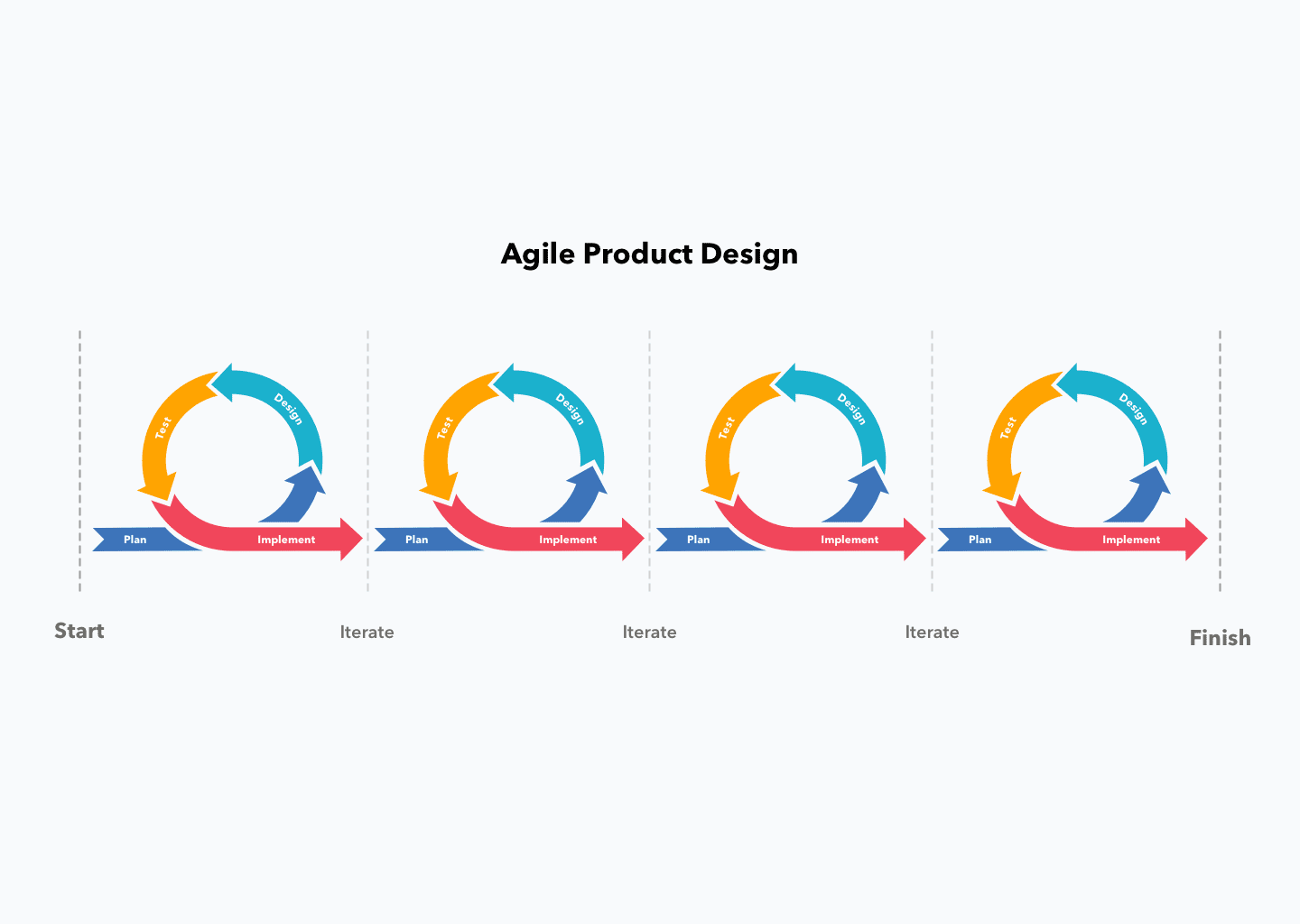
    Agile Product Design is a design approach that follows the principles of Agile software development, which values collaboration, flexibility, and continuous iterations.

    It emphasizes rapid prototyping, user testing, and the integration of feedback into the design process to create high-quality products that meet the needs of users.

    In Agile Product Design, design teams work closely with development teams and stakeholders to ensure that the design solution is delivered quickly and efficiently, while also being able to adapt to changing requirements.

    The goal of Agile Product Design is to create a design process that is flexible, responsive, and delivers value to the end-user.

    Becoming an Agile design team involves adopting the principles and practices of Agile methodologies and integrating them into the design process. Here are some steps to get started:

    1. Adopt an Agile mindset: The team should embrace the Agile values of collaboration, transparency, and continuous improvement.
    2. Emphasize user-centered design: Agile design prioritizes the needs of users and emphasizes testing and iteration to ensure that the design solution meets those needs.
    3. Collaborate with cross-functional teams: Agile design requires close collaboration between design, development, and other stakeholders to ensure that the design solution is delivered efficiently and effectively.
    4. Use iterative design process: Agile design involves a series of rapid iterations, each building upon the previous, to deliver a minimum viable product (MVP) as soon as possible and then refine the solution based on user feedback.
    5. Use Agile tools and techniques: Tools such as project management software, design sprints, and design thinking workshops can help the team work more efficiently and effectively in an Agile environment.
    6. Continuous improvement: Agile design requires continuous improvement and adaptation based on user feedback and changing requirements.

    By following these steps and incorporating Agile principles into the design process, teams can become more efficient, effective, and responsive in delivering high-quality design solutions that meet the needs of users.