Tag: artificial intelligence

  • Future Trends and Challenges with AI in Product Design

    Future Trends and Challenges with AI in Product Design

    The Future of AI in Product Design

    As a Senior Product Designer, I have witnessed the transformative power of Artificial Intelligence in shaping the design landscape. AI has not only enhanced our design capabilities but also introduced new opportunities and challenges.

    This article explores future trends and potential obstacles that AI brings to product design, including data privacy regulations, AI model interpretability, and the evolving responsibilities of designers in AI-powered processes. Understanding these trends helps us prepare for the future of AI in product design.

    The Evolving Role of AI in Product Design

    AI has become an integral part of the design process, offering insights, automation, and personalization. As the technology advances, several trends are emerging.

    Hyper-Personalization

    Personalization has long been central to user-centered design. AI elevates this by analyzing behavior, preferences, and historical data to deliver highly tailored experiences. From e-commerce recommendations to adaptive content, hyper-personalization is becoming standard.

    Generative Design

    Generative design is reshaping how products are created. AI can explore thousands of variations based on defined parameters, producing innovative and efficient outcomes. Designers can prototype and iterate faster while pushing creative boundaries.

    Design Augmentation

    AI augments designers rather than replacing them. Tools can assist with layout, image editing, and ideation, freeing designers to focus on strategy and creative problem solving.

    Predictive Analytics

    AI-driven analytics enable data-informed decisions by anticipating user needs and optimizing features. This provides deeper insight into behavior and preferences.

    Voice and Conversational Interfaces

    Voice assistants and chatbots are becoming integral. As natural language processing improves, designers must craft conversational experiences that feel intuitive and human.

    Challenges on the Horizon

    With progress come meaningful challenges that organizations and designers must address.

    Data Privacy Regulations

    Data privacy is critical. Regulations such as GDPR and CCPA have reshaped how organizations collect and use data. Designers must ensure transparency, user consent, and strong security practices.

    AI Model Interpretability

    As AI grows more complex, understanding how decisions are made becomes harder. Designers need tools and methods to interpret outputs and align them with ethical and user-centered goals.

    Ethical Considerations

    Bias and fairness remain central concerns. Responsible AI practices are essential to maintain user trust and avoid discrimination.

    Skillset Evolution

    Designers must expand their skills to include AI integration, data literacy, and model interpretation. Education and training will continue to evolve alongside the technology.

    User Expectations

    As AI-driven experiences become common, expectations rise. Designers must deliver seamless and intelligent interactions to avoid dissatisfaction and missed opportunities.

    The Designer’s New Role

    In an AI-driven era, designers move beyond visual aesthetics into orchestrating intelligent experiences.

    Designers must:

    • Champion Ethical Design: Advocate for fairness, transparency, and inclusivity in AI-powered decisions.
    • Bridge the Gap: Translate technical AI insights into actionable design strategies for stakeholders.
    • Stay Curious: Continuously learn as AI evolves.
    • Embrace Collaboration: Work closely with engineers, data scientists, and other specialists to unlock AI’s full potential.

    Embracing the Future

    The future of AI in product design holds immense promise. By staying informed, addressing ethical considerations, and adapting to new responsibilities, designers can lead this transformation responsibly. AI’s continued growth challenges us to create innovative, user-centered products that enrich digital experiences worldwide.

    If you enjoyed this article, consider sharing it with a colleague or friend. This concludes the series on unlocking the power of AI in product design.

  • Ethical Considerations in AI-Driven Design

    Ethical Considerations in AI-Driven Design

    [fusion_builder_container background_parallax=”none” enable_mobile=”no” parallax_speed=”0.3″ background_repeat=”no-repeat” background_position=”left top” video_aspect_ratio=”16:9″ video_mute=”yes” video_loop=”yes” fade=”no” padding_top=”20″ padding_bottom=”20″ hundred_percent=”no” equal_height_columns=”no” hide_on_mobile=”no” type=”flex” border_sizes_top=”0px” border_sizes_bottom=”0px” border_sizes_left=”0px” border_sizes_right=”0px”][fusion_builder_row][fusion_builder_column type=”1_1″ layout=”1_1″ spacing=”yes” center_content=”no” hover_type=”none” link=”” min_height=”” hide_on_mobile=”no” class=”” id=”” background_color=”” background_image=”” background_position=”left top” undefined=”” background_repeat=”no-repeat” border_color=”” border_style=”solid” border_position=”all” padding_top=”0px” padding_right=”10%” padding_bottom=”0px” padding_left=”10%” margin_top=”” margin_bottom=”” animation_type=”” animation_direction=”left” animation_speed=”0.1″ animation_offset=”” last=”true” border_sizes_top=”0″ border_sizes_bottom=”0″ border_sizes_left=”0″ border_sizes_right=”0″ first=”true”][fusion_imageframe image_id=”2264|full” aspect_ratio=”” custom_aspect_ratio=”100″ aspect_ratio_position=”” skip_lazy_load=”” lightbox=”yes” gallery_id=”” lightbox_image=”” lightbox_image_id=”” alt=”” link=”” linktarget=”_self” hide_on_mobile=”no” sticky_display=”normal,sticky” class=”” id=”” max_width=”” sticky_max_width=”” align_medium=”none” align_small=”none” align=”center” mask=”” custom_mask=”” mask_size=”” mask_custom_size=”” mask_position=”” mask_custom_position=”” mask_repeat=”” style_type=”none” blur=”” stylecolor=”” hue=”” saturation=”” lightness=”” alpha=”” hover_type=”liftup” magnify_full_img=”” magnify_duration=”120″ scroll_height=”100″ scroll_speed=”1″ margin_top_medium=”” margin_right_medium=”” margin_bottom_medium=”” margin_left_medium=”” margin_top_small=”” margin_right_small=”” margin_bottom_small=”” margin_left_small=”” margin_top=”” margin_right=”” margin_bottom=”” margin_left=”” bordersize=”0px” bordercolor=”” borderradius=”0″ z_index=”” caption_style=”off” caption_align_medium=”none” caption_align_small=”none” caption_align=”none” caption_title=”” caption_text=”” caption_title_tag=”2″ fusion_font_family_caption_title_font=”” fusion_font_variant_caption_title_font=”” caption_title_size=”” caption_title_line_height=”” caption_title_letter_spacing=”” caption_title_transform=”” caption_title_color=”” caption_background_color=”” fusion_font_family_caption_text_font=”” fusion_font_variant_caption_text_font=”” caption_text_size=”” caption_text_line_height=”” caption_text_letter_spacing=”” caption_text_transform=”” caption_text_color=”” caption_border_color=”” caption_overlay_color=”” caption_margin_top=”” caption_margin_right=”” caption_margin_bottom=”” caption_margin_left=”” animation_type=”” animation_direction=”down” animation_color=”” animation_speed=”0.1″ animation_delay=”0″ animation_offset=”” filter_hue=”0″ filter_saturation=”100″ filter_brightness=”100″ filter_contrast=”100″ filter_invert=”0″ filter_sepia=”0″ filter_opacity=”100″ filter_blur=”0″ filter_hue_hover=”0″ filter_saturation_hover=”100″ filter_brightness_hover=”100″ filter_contrast_hover=”100″ filter_invert_hover=”0″ filter_sepia_hover=”0″ filter_opacity_hover=”100″ filter_blur_hover=”0″]https://danolsavsky.com/wp-content/uploads/2023/10/ai_prod_design_26.png[/fusion_imageframe][fusion_separator style_type=”none” top_margin=”50px” alignment=”center” /][fusion_global id=”2272″][fusion_separator style_type=”none” top_margin=”50px” alignment=”center” /][fusion_text columns=”” column_min_width=”” column_spacing=”” rule_style=”” rule_size=”” rule_color=”” hue=”” saturation=”” lightness=”” alpha=”” content_alignment_medium=”” content_alignment_small=”” content_alignment=”” hide_on_mobile=”small-visibility,medium-visibility,large-visibility” sticky_display=”normal,sticky” class=”” id=”” margin_top=”” margin_right=”” margin_bottom=”” margin_left=”” fusion_font_family_text_font=”” fusion_font_variant_text_font=”” font_size=”” line_height=”” letter_spacing=”” text_transform=”” text_color=”” animation_type=”” animation_direction=”left” animation_color=”” animation_speed=”0.3″ animation_delay=”0″ animation_offset=””]

    In the age of artificial intelligence (AI), the design landscape is undergoing a profound transformation. AI-driven design promises innovation and efficiency, but it also brings to the forefront a host of ethical considerations. In this article, we embark on a journey through the ethical landscape of AI in design. We address concerns such as bias, privacy, transparency, and more. Our aim is to provide guidance on responsible and inclusive design practices in the context of AI, ensuring that technology serves as a force for good and empowerment.

    [/fusion_text][fusion_imageframe image_id=”2265|full” aspect_ratio=”” custom_aspect_ratio=”100″ aspect_ratio_position=”” skip_lazy_load=”” lightbox=”no” gallery_id=”” lightbox_image=”” lightbox_image_id=”” alt=”” link=”” linktarget=”_self” hide_on_mobile=”small-visibility,medium-visibility,large-visibility” sticky_display=”normal,sticky” class=”” id=”” max_width=”” sticky_max_width=”” align_medium=”none” align_small=”none” align=”none” mask=”” custom_mask=”” mask_size=”” mask_custom_size=”” mask_position=”” mask_custom_position=”” mask_repeat=”” style_type=”” blur=”” stylecolor=”” hue=”” saturation=”” lightness=”” alpha=”” hover_type=”none” magnify_full_img=”” magnify_duration=”120″ scroll_height=”100″ scroll_speed=”1″ margin_top_medium=”” margin_right_medium=”” margin_bottom_medium=”” margin_left_medium=”” margin_top_small=”” margin_right_small=”” margin_bottom_small=”” margin_left_small=”” margin_top=”” margin_right=”” margin_bottom=”” margin_left=”” bordersize=”” bordercolor=”” borderradius=”” z_index=”” caption_style=”off” caption_align_medium=”none” caption_align_small=”none” caption_align=”none” caption_title=”” caption_text=”” caption_title_tag=”2″ fusion_font_family_caption_title_font=”” fusion_font_variant_caption_title_font=”” caption_title_size=”” caption_title_line_height=”” caption_title_letter_spacing=”” caption_title_transform=”” caption_title_color=”” caption_background_color=”” fusion_font_family_caption_text_font=”” fusion_font_variant_caption_text_font=”” caption_text_size=”” caption_text_line_height=”” caption_text_letter_spacing=”” caption_text_transform=”” caption_text_color=”” caption_border_color=”” caption_overlay_color=”” caption_margin_top=”” caption_margin_right=”” caption_margin_bottom=”” caption_margin_left=”” animation_type=”” animation_direction=”left” animation_color=”” animation_speed=”0.3″ animation_delay=”0″ animation_offset=”” filter_hue=”0″ filter_saturation=”100″ filter_brightness=”100″ filter_contrast=”100″ filter_invert=”0″ filter_sepia=”0″ filter_opacity=”100″ filter_blur=”0″ filter_hue_hover=”0″ filter_saturation_hover=”100″ filter_brightness_hover=”100″ filter_contrast_hover=”100″ filter_invert_hover=”0″ filter_sepia_hover=”0″ filter_opacity_hover=”100″ filter_blur_hover=”0″]https://danolsavsky.com/wp-content/uploads/2023/10/ex_ideo.png[/fusion_imageframe][fusion_text columns=”” column_min_width=”” column_spacing=”” rule_style=”” rule_size=”” rule_color=”” hue=”” saturation=”” lightness=”” alpha=”” content_alignment_medium=”” content_alignment_small=”” content_alignment=”” hide_on_mobile=”small-visibility,medium-visibility,large-visibility” sticky_display=”normal,sticky” class=”” id=”” margin_top=”” margin_right=”” margin_bottom=”” margin_left=”” fusion_font_family_text_font=”” fusion_font_variant_text_font=”” font_size=”” line_height=”” letter_spacing=”” text_transform=”” text_color=”” animation_type=”” animation_direction=”left” animation_color=”” animation_speed=”0.3″ animation_delay=”0″ animation_offset=””]

    IDEO’s AI Ethics Cards are a tool to help guide an ethically responsible, culturally considerate, and humanistic approach to designing with data.

    [/fusion_text][fusion_text columns=”” column_min_width=”” column_spacing=”” rule_style=”” rule_size=”” rule_color=”” hue=”” saturation=”” lightness=”” alpha=”” content_alignment_medium=”” content_alignment_small=”” content_alignment=”” hide_on_mobile=”small-visibility,medium-visibility,large-visibility” sticky_display=”normal,sticky” class=”” id=”” margin_top=”” margin_right=”” margin_bottom=”” margin_left=”” fusion_font_family_text_font=”” fusion_font_variant_text_font=”” font_size=”” line_height=”” letter_spacing=”” text_transform=”” text_color=”” animation_type=”” animation_direction=”left” animation_color=”” animation_speed=”0.3″ animation_delay=”0″ animation_offset=””]

    The Ethical Imperative in AI-Driven Design

    Ethics in design is not a new concept, but the integration of AI amplifies it’s importance. AI systems, including machine learning algorithms, can inherit biases from training data, impact user privacy, and operate in ways that lack transparency. To navigate this landscape responsibly, designers must adopt ethical principles that guide their decisions.

    Bias and Fairness in Design

    Bias in AI algorithms is a persistent concern. Algorithms learn from data, and if that data is biased, the AI system can perpetuate and amplify existing biases. In design, this can manifest as discriminatory user experiences.

    Mitigating Bias in Design

    • Diverse Data: Designers should ensure that training data for AI models is diverse and representative, encompassing a wide range of demographics and perspectives.
    • Bias Audits: Regularly audit AI systems for bias, using metrics and benchmarks to identify and rectify disparities in outcomes.
    • Inclusive Design: Prioritize inclusive design practices that account for the needs and perspectives of all users, regardless of their background or identity.

    User Privacy and Data Protection

    AI-driven design often relies on user data for personalization and optimization. However, this raises significant privacy concerns. Users must trust that their data is handled responsibly and ethically.

    Respecting User Privacy

    • Data Minimization: Collect and retain only the data necessary for the functionality of your AI-driven features, minimizing the risk of data breaches.
    • Transparency: Communicate clearly with users about data collection practices and obtain informed consent.
    • Data Security: Implement robust security measures to protect user data from unauthorized access or breaches.

    Transparency and Explainability

    The “black box” nature of AI algorithms can be a barrier to trust and accountability. Users should have insight into how AI-driven design decisions are made.

    Enhancing Transparency

    • Interpretable Models: Use AI models that are interpretable and explainable, enabling designers to understand and articulate how decisions are reached.
    • Clear Communication: Communicate to users when AI-driven features are at play, and provide information on how their data is used to personalize their experience.

    Ethical AI in Decision-Making

    Designers should embed ethical considerations into the decision-making process, ensuring that AI systems prioritize ethical outcomes.

    Ethical Frameworks

    • Ethical Guidelines: Develop and adhere to ethical design guidelines that prioritize fairness, inclusivity, and privacy.
    • Ethical Review Boards: Establish internal review boards or ethics committees to evaluate the potential ethical impact of AI-driven design decisions.
    • User Empowerment: Empower users with controls to customize their AI-driven experiences, allowing them to set their boundaries and preferences.

    Inclusivity in Design

    Inclusivity is a core ethical principle. Designers must ensure that AI-driven products and services are accessible and usable by a diverse range of users, including those with disabilities.

    Designing for All

    • Accessibility: Follow best practices for accessible design, making sure that AI-driven features can be used by individuals with disabilities.
    • User-Centric Testing: Conduct user testing with diverse groups to identify potential accessibility and usability issues.
    • Inclusive Design Thinking: Adopt an inclusive design mindset from the outset of the design process, considering the needs of all potential users.

    Ethical Considerations Beyond Design

    Design is just one part of the AI ecosystem. Ethical considerations should extend to data collection, model training, deployment, and ongoing monitoring.

    End-to-End Ethics

    • Data Ethics: Ensure that data collection, storage, and usage adhere to ethical principles, even before design comes into play.
    • Algorithmic Ethics: Evaluate the ethical implications of the algorithms used, including their impact on individuals and society.
    • Post-Deployment Ethics: Continuously monitor AI-driven systems for ethical issues and adapt as needed to address emerging challenges.

    The Future of Ethical AI-Driven Design

    As AI technology continues to evolve, so too will the ethical considerations surrounding its use in design. Designers must remain vigilant, adaptable, and proactive in addressing new ethical challenges that may arise.

    Conclusion

    Ethical considerations are inseparable from AI-driven design. To navigate the ethical landscape responsibly, designers must prioritize fairness, inclusivity, transparency, and privacy. By adhering to ethical principles, AI can serve as a powerful tool for innovation and empowerment, enhancing the user experience while upholding the values of responsible design. In this dynamic intersection of technology and ethics, designers have a pivotal role to play in shaping a more ethical and inclusive digital future.

    [/fusion_text][fusion_text columns=”” column_min_width=”” column_spacing=”” rule_style=”” rule_size=”” rule_color=”” hue=”” saturation=”” lightness=”” alpha=”” content_alignment_medium=”” content_alignment_small=”” content_alignment=”” hide_on_mobile=”small-visibility,medium-visibility,large-visibility” sticky_display=”normal,sticky” class=”” id=”” margin_top=”” margin_right=”” margin_bottom=”” margin_left=”” fusion_font_family_text_font=”” fusion_font_variant_text_font=”” font_size=”” line_height=”” letter_spacing=”” text_transform=”” text_color=”” animation_type=”” animation_direction=”left” animation_color=”” animation_speed=”0.3″ animation_delay=”0″ animation_offset=””]

    If you enjoyed reading this article, please share it with a colleague or friend, and join me next week to learn about Future Trends and Challenges with AI in Product Design.

    [/fusion_text][fusion_global id=”2309″][/fusion_builder_column][/fusion_builder_row][/fusion_builder_container]
  • Natural Language Processing in UX

    Natural Language Processing in UX

    This article explores Natural Language Processing and its pivotal role in UX design. It looks at applications in chatbots, voice assistants, and content analysis, and how these technologies shape conversational interfaces. The goal is to uncover practical insights for designing effective, user-centric conversational experiences that blend technology with human interaction.

    The Power of Natural Language Processing

    Natural Language Processing is a branch of artificial intelligence focused on the interaction between humans and computers through everyday language. It enables machines to understand, interpret, and respond in ways that feel intuitive and human. In UX design, NLP introduces a new dimension by making technology more accessible and user friendly.

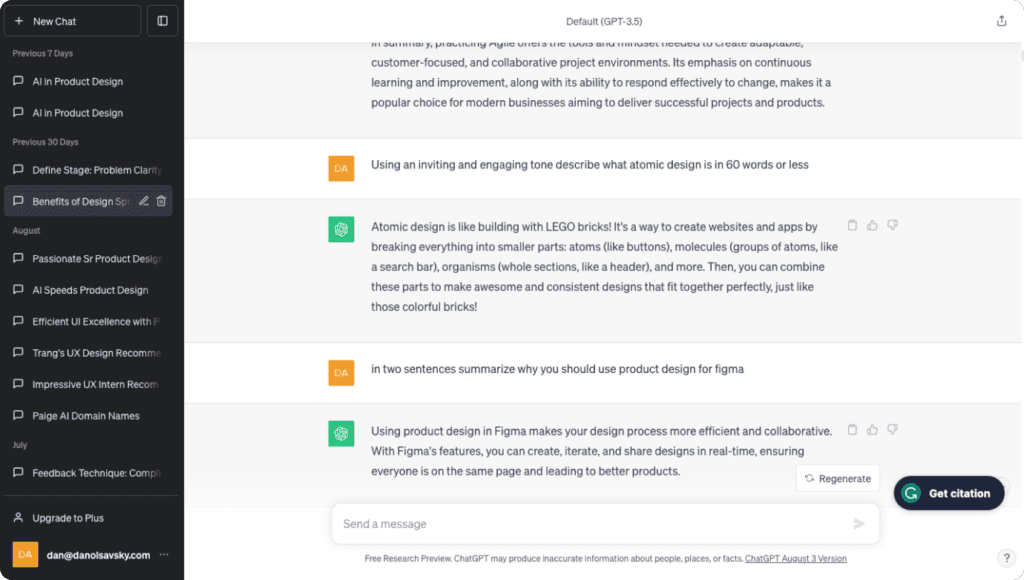
    Caption: ChatGPT is a conversational AI that can chat with you, answer follow-up questions, and even challenge incorrect assumptions.

    Chatbots: Conversations Redefined

    Chatbots are now common across digital interfaces, giving users instant access to information and services. NLP is the core technology that allows these virtual assistants to understand queries, provide relevant responses, and hold meaningful conversations.

    The Role of NLP in Chatbots

    Intent Recognition: NLP algorithms analyze wording and context to determine what users are trying to accomplish.

    Context Preservation: Chatbots can maintain context across multiple turns, understanding follow-up questions and references to earlier messages.

    Personalization: NLP-driven chatbots can tailor responses using user data, creating more engaging and user-centered interactions.

    Voice Assistants: AI Companions

    Voice assistants such as Siri, Alexa, and Google Assistant have changed how people interact with technology. NLP enables communication with devices using natural speech rather than commands or menus.

    How NLP Enhances Voice Assistants

    Speech Recognition: Spoken language is converted into text so systems can interpret commands.

    Language Understanding: Assistants can interpret slang, accents, and conversational phrasing.

    Conversational Abilities: NLP supports multi-turn conversations that feel more natural and interactive.

    Content Analysis: Unveiling User Insights

    Content analysis is essential in UX because it reveals user sentiment and feedback patterns. NLP tools are highly effective at analyzing large volumes of text to inform design decisions.

    NLP in Content Analysis

    Sentiment Analysis: Determines whether user feedback is positive, negative, or neutral.

    Keyword Extraction: Identifies recurring topics and themes across large datasets.

    Language Translation: Breaks down language barriers, enabling analysis of global feedback.

    Designing Effective Conversational Interfaces

    Creating strong conversational interfaces requires balancing technological capability with human expectation. Key considerations include:

    • Clarity and Consistency: Responses should be predictable and easy to understand.
    • User Guidance: Provide prompts or suggestions that help users know what they can ask.
    • Feedback and Error Handling: Offer informative responses when misunderstandings occur.
    • User Data Privacy: Clearly communicate how data is used and give users control where possible.

    The Future of Conversational UX

    As NLP continues to evolve, conversational UX will expand in several directions:

    • Emotion Recognition: Interfaces may detect emotional tone and respond with empathy.
    • Multimodal Conversations: Blending text, voice, and gestures into a single experience.
    • Personalized Conversations: Systems will better understand individual preferences and tailor interactions accordingly.

    Conclusion

    Natural Language Processing is reshaping UX design by enabling interactions that feel human and intuitive. From chatbots and voice assistants to large-scale content analysis, NLP improves accessibility and user focus. The future points toward increasingly engaging and personalized conversational experiences, where technology and human communication continue to merge.

    If you enjoyed reading this article, consider sharing it with a colleague or friend, and stay tuned for the next piece on AI for design automation.

  • AI for Design Automation

    AI for Design Automation

    In the fast-paced world of product design, efficiency is paramount. Artificial Intelligence is becoming a game changer in design automation. This article explores how AI is transforming the creative landscape by automating repetitive tasks. From generating design variations to streamlining layout processes, AI enhances efficiency, unlocks creative potential, and reshapes the future of design.

    The Challenge of Repetitive Design Tasks

    Design across graphic, web, and product disciplines often involves repetitive work that can be time consuming and mentally draining. Tasks such as resizing images, adjusting layouts, and producing multiple variations for A/B testing are necessary but can slow innovation and reduce time available for higher level creativity.

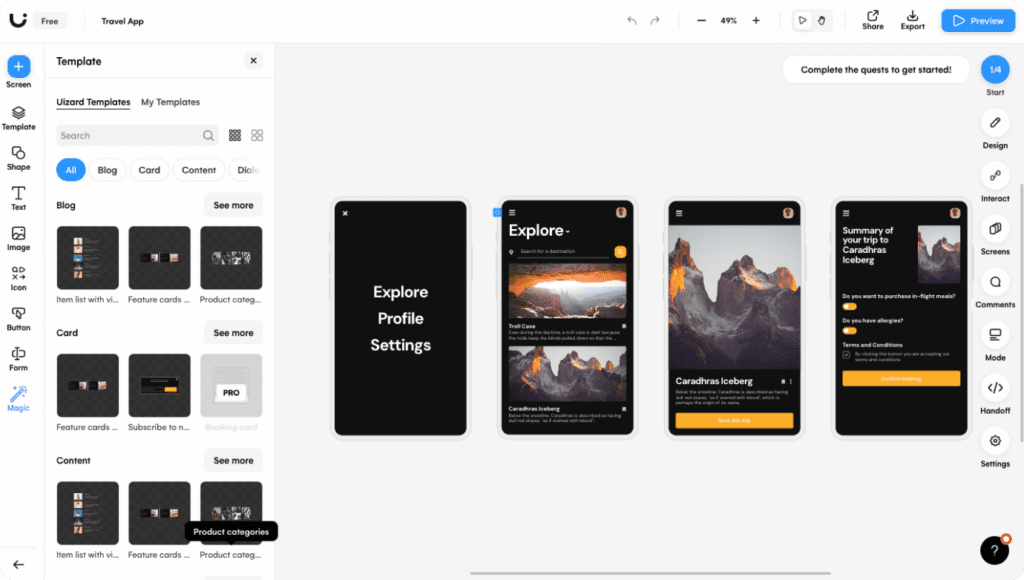
    Caption: UIzard is one of the easiest-to-use design and ideation tools powered by AI.

    The Promise of AI in Design Automation

    AI in design automation offers liberation from repetitive effort. By delegating routine tasks to intelligent systems, designers gain more time for strategic thinking and creative exploration. Key areas of impact include the following.

    AI-Generated Design Variations

    AI tools can rapidly generate multiple visual directions such as color schemes, typography pairings, and layout options. This expands creative possibilities while saving significant time.

    Layout Design Streamlining

    AI algorithms can automatically arrange elements, manage spacing, and optimize hierarchy using established design principles. This accelerates layout creation while preserving quality.

    Image Editing and Enhancement

    AI driven tools can retouch photos, remove backgrounds, and enhance clarity automatically, reducing hours of manual editing.

    Content Generation

    In marketing and product design, AI copy tools can produce ad text, product descriptions, and articles. This speeds production and maintains consistency.

    Rapid Prototyping

    AI powered platforms can convert wireframes into interactive prototypes, minimizing the need for manual coding and enabling faster validation.

    The Synergy of AI and Human Creativity

    AI does not replace creativity. It amplifies it. Designers and AI work best as partners, where AI manages the repetitive workload and humans focus on vision, storytelling, and refinement. This collaboration boosts efficiency without sacrificing originality or quality.

    Challenges and Considerations

    As adoption grows, several issues require attention.

    • Data Quality: AI systems depend on large datasets. Ensuring diversity and fairness is critical to avoid reinforcing bias.
    • Ethical Implications: Concerns such as copyright, authorship, and plagiarism must be addressed when generating automated content.
    • User-Centric Design: Automation should support human insight, not override it. Designers must maintain balance between efficiency and empathy.

    The Future of Design Automation

    AI will continue to expand its influence across creative industries.

    • Real-Time Collaboration: Designers will increasingly work alongside intelligent assistants that provide instant feedback and suggestions.
    • Hyper-Personalization: Interfaces and content will be tailored dynamically to individual preferences.
    • Cross-Disciplinary Integration: AI will connect design with marketing, analytics, and engineering, producing more holistic solutions.

    Conclusion

    AI driven design automation marks a new era of efficiency and creativity. By offloading repetitive work to intelligent tools, designers can focus on innovation, deliver higher quality outcomes faster, and adapt to an evolving digital landscape. As collaboration between AI and human creativity deepens, the future of design promises greater speed, personalization, and imaginative potential.

    If you enjoyed reading this article, consider sharing it with a colleague or friend, and stay tuned for the next piece on ethical considerations in AI driven design.

  • Accessibility and Inclusivity in AI Product Design

    Accessibility and Inclusivity in AI Product Design

    In the digital age, inclusivity and accessibility are not buzzwords. They are core principles that shape how people interact with technology. This article explores the evolving landscape of accessibility and inclusivity in design, highlighting how Artificial Intelligence is transforming the creation of products that serve a broader audience. From AI-driven screen readers to voice interfaces and captioning tools, AI is helping remove barriers and make the digital world more inclusive for everyone.

    The Imperative of Accessibility and Inclusivity

    Accessibility and inclusivity in design mean ensuring digital products and services can be used by as many people as possible, regardless of ability or disability. The goal is to create a level playing field where technology enables rather than restricts. With an aging population and a more diverse global audience, the importance of inclusive design continues to grow.

    The AI-Powered Revolution

    Artificial Intelligence has emerged as a powerful catalyst in advancing accessibility and inclusivity. AI systems can understand, adapt, and respond to individual needs, making it possible to deliver highly personalized and accessible digital experiences.

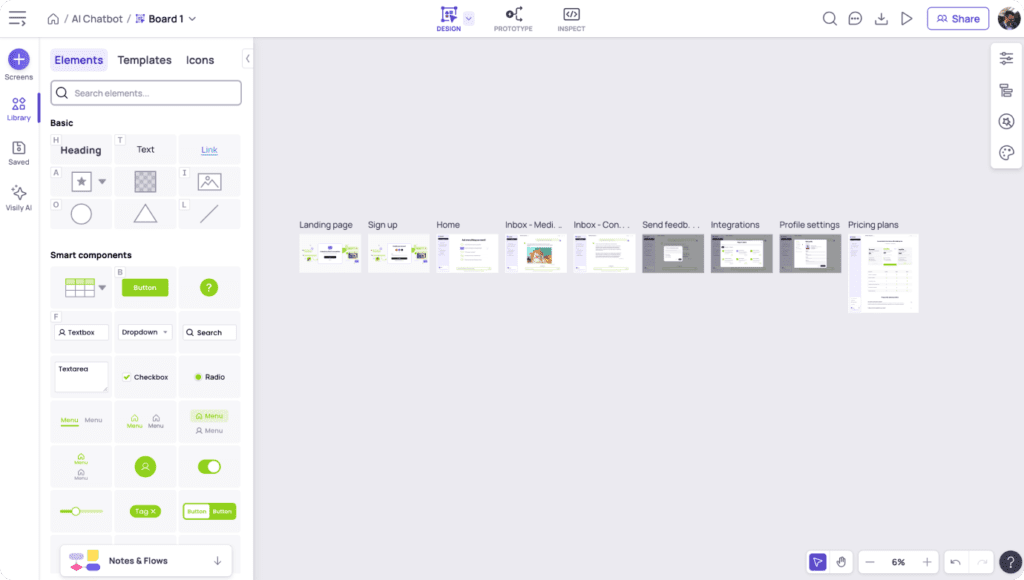
    Caption: The AI-powered app Visily can generate design prototypes in seconds.

    AI-Driven Screen Readers

    Screen readers are essential tools for people with visual impairments. AI-powered screen readers extend these capabilities by using image recognition and natural language processing to provide richer descriptions of on-screen content. They can read text, describe images, interpret charts, and explain page layouts, improving access to digital information.

    Voice Interfaces: Conversational Accessibility

    Voice interfaces have become widespread through assistants such as Siri and Alexa. For users with mobility challenges or those who prefer speech interaction, AI-driven voice systems provide meaningful access. Natural language processing allows these tools to understand spoken commands, enabling control of devices, information searches, and navigation through digital environments.

    Captioning Tools: Bridging Communication Gaps

    Captioning tools support people who are deaf or hard of hearing by making multimedia content understandable. AI-powered captioning provides real-time, high-accuracy subtitles for live events, video calls, and recorded media. These systems adapt to accents, languages, and background noise to maintain clear communication.

    Beyond Traditional Accessibility

    AI’s impact extends into additional areas:

    • Emotion Recognition: AI can analyze facial expressions and vocal tone to detect emotional cues, which can assist users who struggle with social or emotional interpretation.
    • Autonomous Vehicles: Self-driving technology has the potential to increase independence for individuals with mobility limitations.
    • Language Translation: AI translation tools break down language barriers and support communication across cultures.

    Challenges and Ethical Considerations

    Progress in AI accessibility also introduces responsibilities:

    • Data Privacy: User data collection must be handled transparently and with clear consent.
    • Bias and Fairness: AI systems must be monitored to avoid reinforcing discrimination or exclusion.
    • Universal Design: Balancing personalized accessibility with broad usability for all users requires careful design decisions.

    The Future of Accessibility and Inclusivity

    As AI evolves, several possibilities emerge:

    • AI-Personalized Accessibility: Interfaces will dynamically adjust to individual needs in real time.
    • Seamless Multimodal Interfaces: Users will fluidly switch between voice, touch, and gesture interactions.
    • Global Inclusivity: Language translation, universal design practices, and accessible content will help make digital spaces truly worldwide and inclusive.

    Conclusion

    Artificial Intelligence is reshaping accessibility and inclusivity by providing innovative tools that empower people with disabilities while improving experiences for everyone. From screen readers and voice interfaces to captioning and translation, AI is reducing barriers and expanding opportunity. The partnership between AI and thoughtful design will continue to determine whether technology becomes a bridge toward inclusion or an obstacle to overcome.

    If you enjoyed this article, consider sharing it with a colleague or friend, and stay tuned for the next piece on Natural Language Processing in UX.

  • Design Optimization with AI

    Design Optimization with AI

    In the ever-evolving landscape of digital design, the pursuit of excellence never rests. Enter Artificial Intelligence (AI), a powerful ally in the quest for perfection. In this article, we dive into the realm of design optimization, where AI takes center stage, uncovering its potential through A/B testing and multivariate testing. Additionally, we explore how AI refines user interfaces for superior performance. It is a journey that demonstrates how data-driven insights can unlock design’s full potential, delivering experiences that captivate and satisfy users.

    The Essence of Design Optimization

    Design optimization is an art that goes beyond aesthetics. It is about enhancing the user experience, boosting engagement, and achieving specific goals. Traditionally, designers relied on intuition and best practices to refine their designs. AI has ushered in a data-driven era where design decisions are based on empirical evidence rather than gut feelings.

    The Power of A/B Testing

    A/B testing, also known as split testing, is a proven method for optimizing design. It involves comparing two versions of a design (A and B) to determine which one performs better in terms of engagement, conversions, or other key metrics.

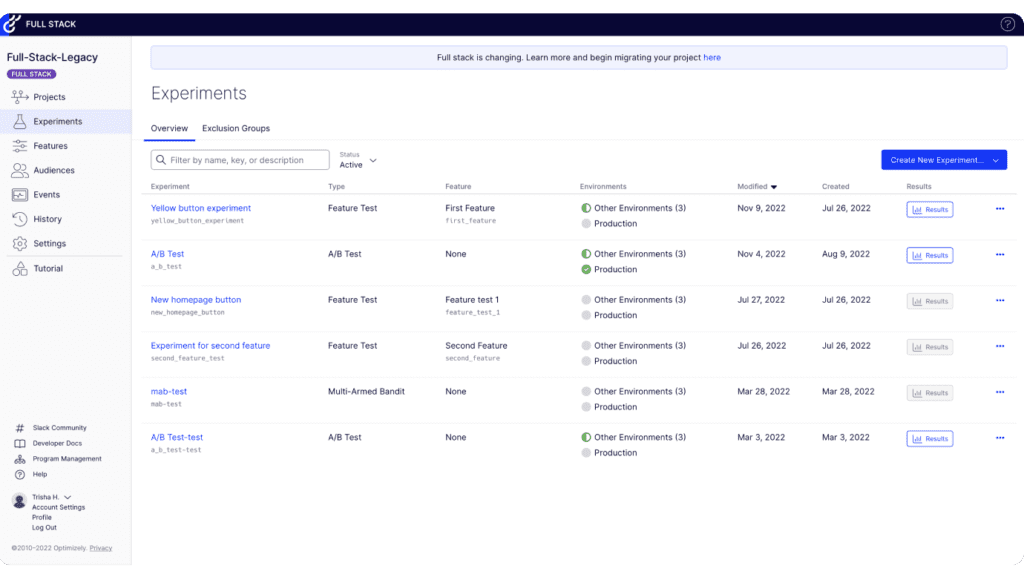
    Caption: The AI-accelerated platform Optimizely has embedded AI natively across its fully composable DXP.

    The Role of AI in A/B Testing

    AI enhances A/B testing by automating many aspects of the process. AI algorithms can:

    • Identify Key Metrics: Pinpoint the most important metrics to track so designers focus on what truly matters.
    • Segment Audiences: Group users by behavior, preferences, or demographics to tailor experiments more effectively.
    • Predict Outcomes: Analyze historical data to forecast which variations are most likely to succeed.
    • Iterate Rapidly: Test multiple variations simultaneously, accelerating optimization cycles.

    Multivariate Testing: Exploring Design Possibilities

    While A/B testing compares two versions, multivariate testing evaluates multiple elements simultaneously. It is like running several A/B tests at the same time to see how combinations of changes influence behavior.

    AI’s Contribution to Multivariate Testing

    AI manages the complexity of analyzing many variables and their interactions. AI-driven multivariate testing can:

    • Scale Complexity: Handle a vast number of variations at once.
    • Discover Insights: Reveal hidden relationships between design elements and user behavior.
    • Optimize Continuously: Turn testing into an ongoing process that steadily improves performance.

    Refining User Interfaces with AI

    User interfaces are the gateway to digital experiences. AI introduces new capabilities that make interfaces more intuitive, responsive, and user-centered.

    Dynamic User Interfaces

    AI can transform static layouts into adaptive ones that respond in real time. For example, an ecommerce site might rearrange products based on browsing history to increase relevance.

    Predictive Interactions

    AI can anticipate user actions and adjust interface elements accordingly. A smart assistant might suggest content or actions based on habits and context, creating a smoother experience.

    Challenges and Considerations

    AI-driven optimization brings responsibility alongside opportunity.

    • Data Quality and Bias: If training data is biased or incomplete, results may be skewed and outcomes unfair.
    • Privacy Concerns: Collecting behavioral data requires a careful balance between insight gathering and user privacy.
    • Transparency and Explainability: When AI decisions are opaque, both designers and users may struggle to understand why certain outcomes occur, which can erode trust.

    The Future of Design Optimization

    As AI advances, several developments are likely.

    • Hyper-Personalization: Designs will increasingly adapt to each individual’s preferences and context, creating uniquely tailored experiences.
    • Real-Time Optimization: Interfaces will adjust continuously based on live interaction data to maintain peak performance.
    • Enhanced Collaboration: Designers and AI systems will work together more fluidly, with AI offering suggestions and insights that strengthen creativity.

    Conclusion

    Design optimization with AI embraces data-driven decision making to create experiences that engage and satisfy. A/B testing and multivariate testing gain precision and speed through intelligent automation. As AI continues to evolve, the future points toward deeper personalization, continuous improvement, and richer collaboration. In this AI-infused era, design optimization becomes a living, adaptive craft rather than a static process.

    If you enjoyed reading this article, please share it with a colleague or friend, and join me next week to learn about accessibility and inclusivity.

  • Personalization and Customization

    Personalization and Customization

    [fusion_builder_container background_parallax=”none” enable_mobile=”no” parallax_speed=”0.3″ background_repeat=”no-repeat” background_position=”left top” video_aspect_ratio=”16:9″ video_mute=”yes” video_loop=”yes” fade=”no” padding_top=”20″ padding_bottom=”20″ hundred_percent=”no” equal_height_columns=”no” hide_on_mobile=”no” type=”flex” border_sizes_top=”0px” border_sizes_bottom=”0px” border_sizes_left=”0px” border_sizes_right=”0px”][fusion_builder_row][fusion_builder_column type=”1_1″ layout=”1_1″ spacing=”yes” center_content=”no” hover_type=”none” link=”” min_height=”” hide_on_mobile=”no” class=”” id=”” background_color=”” background_image=”” background_position=”left top” undefined=”” background_repeat=”no-repeat” border_color=”” border_style=”solid” border_position=”all” padding_top=”0px” padding_right=”10%” padding_bottom=”0px” padding_left=”10%” margin_top=”” margin_bottom=”” animation_type=”” animation_direction=”left” animation_speed=”0.1″ animation_offset=”” last=”true” border_sizes_top=”0″ border_sizes_bottom=”0″ border_sizes_left=”0″ border_sizes_right=”0″ first=”true”][fusion_imageframe image_id=”2241|full” aspect_ratio=”” custom_aspect_ratio=”100″ aspect_ratio_position=”” skip_lazy_load=”” lightbox=”yes” gallery_id=”” lightbox_image=”” lightbox_image_id=”” alt=”” link=”” linktarget=”_self” hide_on_mobile=”no” sticky_display=”normal,sticky” class=”” id=”” max_width=”” sticky_max_width=”” align_medium=”none” align_small=”none” align=”center” mask=”” custom_mask=”” mask_size=”” mask_custom_size=”” mask_position=”” mask_custom_position=”” mask_repeat=”” style_type=”none” blur=”” stylecolor=”” hue=”” saturation=”” lightness=”” alpha=”” hover_type=”liftup” magnify_full_img=”” magnify_duration=”120″ scroll_height=”100″ scroll_speed=”1″ margin_top_medium=”” margin_right_medium=”” margin_bottom_medium=”” margin_left_medium=”” margin_top_small=”” margin_right_small=”” margin_bottom_small=”” margin_left_small=”” margin_top=”” margin_right=”” margin_bottom=”” margin_left=”” bordersize=”0px” bordercolor=”” borderradius=”0″ z_index=”” caption_style=”off” caption_align_medium=”none” caption_align_small=”none” caption_align=”none” caption_title=”” caption_text=”” caption_title_tag=”2″ fusion_font_family_caption_title_font=”” fusion_font_variant_caption_title_font=”” caption_title_size=”” caption_title_line_height=”” caption_title_letter_spacing=”” caption_title_transform=”” caption_title_color=”” caption_background_color=”” fusion_font_family_caption_text_font=”” fusion_font_variant_caption_text_font=”” caption_text_size=”” caption_text_line_height=”” caption_text_letter_spacing=”” caption_text_transform=”” caption_text_color=”” caption_border_color=”” caption_overlay_color=”” caption_margin_top=”” caption_margin_right=”” caption_margin_bottom=”” caption_margin_left=”” animation_type=”” animation_direction=”down” animation_color=”” animation_speed=”0.1″ animation_delay=”0″ animation_offset=”” filter_hue=”0″ filter_saturation=”100″ filter_brightness=”100″ filter_contrast=”100″ filter_invert=”0″ filter_sepia=”0″ filter_opacity=”100″ filter_blur=”0″ filter_hue_hover=”0″ filter_saturation_hover=”100″ filter_brightness_hover=”100″ filter_contrast_hover=”100″ filter_invert_hover=”0″ filter_sepia_hover=”0″ filter_opacity_hover=”100″ filter_blur_hover=”0″]https://danolsavsky.com/wp-content/uploads/2023/10/ai_prod_design_11.png[/fusion_imageframe][fusion_separator style_type=”none” top_margin=”50px” alignment=”center” /][fusion_global id=”2272″][fusion_separator style_type=”none” top_margin=”50px” alignment=”center” /][fusion_text columns=”” column_min_width=”” column_spacing=”” rule_style=”” rule_size=”” rule_color=”” hue=”” saturation=”” lightness=”” alpha=”” content_alignment_medium=”” content_alignment_small=”” content_alignment=”” hide_on_mobile=”small-visibility,medium-visibility,large-visibility” sticky_display=”normal,sticky” class=”” id=”” margin_top=”” margin_right=”” margin_bottom=”” margin_left=”” fusion_font_family_text_font=”” fusion_font_variant_text_font=”” font_size=”” line_height=”” letter_spacing=”” text_transform=”” text_color=”” animation_type=”” animation_direction=”left” animation_color=”” animation_speed=”0.3″ animation_delay=”0″ animation_offset=””]

    In today’s digital landscape, where users are overwhelmed with information and choices, personalization and customization have emerged as the pillars of a compelling user experience. Enter Artificial Intelligence (AI), the driving force behind the ability to tailor products, services, and content to individual preferences and needs. This article embarks on a deep dive into how AI empowers personalized user experiences, unveiling the mechanics of recommendation systems and content customization that enhance engagement and user satisfaction. Welcome to the era where AI crafts unique journeys for every user, reshaping the way we interact with technology.

    The Rise of Personalization

    Personalization is not a novel concept, but its implementation has reached unprecedented heights with the advent of AI. At its core, personalization aims to create experiences that resonate on an individual level, making users feel understood and valued. AI achieves this by harnessing vast amounts of data, processing it in real time, and delivering tailored recommendations, content, and interfaces.

    Recommendation Systems: The Magic of Personalization

    At the heart of AI-driven personalization lies recommendation systems. These systems analyze user data, including past behavior, preferences, and interactions, to make informed predictions about what users might like or find valuable. The mechanics are complex, involving algorithms that continuously learn and adapt to user feedback. Whether it’s suggesting movies on a streaming platform, products in an e-commerce store, or articles on a news website, recommendation systems are omnipresent, driving user engagement and retention.

    [/fusion_text][fusion_imageframe image_id=”2242|full” aspect_ratio=”” custom_aspect_ratio=”100″ aspect_ratio_position=”” skip_lazy_load=”” lightbox=”no” gallery_id=”” lightbox_image=”” lightbox_image_id=”” alt=”” link=”” linktarget=”_self” hide_on_mobile=”small-visibility,medium-visibility,large-visibility” sticky_display=”normal,sticky” class=”” id=”” max_width=”” sticky_max_width=”” align_medium=”none” align_small=”none” align=”none” mask=”” custom_mask=”” mask_size=”” mask_custom_size=”” mask_position=”” mask_custom_position=”” mask_repeat=”” style_type=”” blur=”” stylecolor=”” hue=”” saturation=”” lightness=”” alpha=”” hover_type=”none” magnify_full_img=”” magnify_duration=”120″ scroll_height=”100″ scroll_speed=”1″ margin_top_medium=”” margin_right_medium=”” margin_bottom_medium=”” margin_left_medium=”” margin_top_small=”” margin_right_small=”” margin_bottom_small=”” margin_left_small=”” margin_top=”” margin_right=”” margin_bottom=”” margin_left=”” bordersize=”” bordercolor=”” borderradius=”” z_index=”” caption_style=”off” caption_align_medium=”none” caption_align_small=”none” caption_align=”none” caption_title=”” caption_text=”” caption_title_tag=”2″ fusion_font_family_caption_title_font=”” fusion_font_variant_caption_title_font=”” caption_title_size=”” caption_title_line_height=”” caption_title_letter_spacing=”” caption_title_transform=”” caption_title_color=”” caption_background_color=”” fusion_font_family_caption_text_font=”” fusion_font_variant_caption_text_font=”” caption_text_size=”” caption_text_line_height=”” caption_text_letter_spacing=”” caption_text_transform=”” caption_text_color=”” caption_border_color=”” caption_overlay_color=”” caption_margin_top=”” caption_margin_right=”” caption_margin_bottom=”” caption_margin_left=”” animation_type=”” animation_direction=”left” animation_color=”” animation_speed=”0.3″ animation_delay=”0″ animation_offset=”” filter_hue=”0″ filter_saturation=”100″ filter_brightness=”100″ filter_contrast=”100″ filter_invert=”0″ filter_sepia=”0″ filter_opacity=”100″ filter_blur=”0″ filter_hue_hover=”0″ filter_saturation_hover=”100″ filter_brightness_hover=”100″ filter_contrast_hover=”100″ filter_invert_hover=”0″ filter_sepia_hover=”0″ filter_opacity_hover=”100″ filter_blur_hover=”0″]https://danolsavsky.com/wp-content/uploads/2023/10/ex_basspro.png[/fusion_imageframe][fusion_text columns=”” column_min_width=”” column_spacing=”” rule_style=”” rule_size=”” rule_color=”” hue=”” saturation=”” lightness=”” alpha=”” content_alignment_medium=”” content_alignment_small=”” content_alignment=”” hide_on_mobile=”small-visibility,medium-visibility,large-visibility” sticky_display=”normal,sticky” class=”” id=”” margin_top=”” margin_right=”” margin_bottom=”” margin_left=”” fusion_font_family_text_font=”” fusion_font_variant_text_font=”” font_size=”” line_height=”” letter_spacing=”” text_transform=”” text_color=”” animation_type=”” animation_direction=”left” animation_color=”” animation_speed=”0.3″ animation_delay=”0″ animation_offset=””]

    The AI-powered platform Coveo can predict what people need, before they even know they need it

    [/fusion_text][fusion_text columns=”” column_min_width=”” column_spacing=”” rule_style=”” rule_size=”” rule_color=”” hue=”” saturation=”” lightness=”” alpha=”” content_alignment_medium=”” content_alignment_small=”” content_alignment=”” hide_on_mobile=”small-visibility,medium-visibility,large-visibility” sticky_display=”normal,sticky” class=”” id=”” margin_top=”” margin_right=”” margin_bottom=”” margin_left=”” fusion_font_family_text_font=”” fusion_font_variant_text_font=”” font_size=”” line_height=”” letter_spacing=”” text_transform=”” text_color=”” animation_type=”” animation_direction=”left” animation_color=”” animation_speed=”0.3″ animation_delay=”0″ animation_offset=””]

    The Inner Workings of Recommendation Algorithms

    To understand the mechanics of recommendation systems, it’s essential to explore the two primary types of algorithms they employ:

    Collaborative Filtering

    Collaborative filtering relies on user behavior patterns and preferences. It identifies users with similar tastes and recommends items that those similar users have interacted with. There are two main collaborative filtering approaches: user-based and item-based.

    • User-Based Collaborative Filtering: This method identifies users who exhibit similar behavior and recommends items based on what those like-minded users have chosen.
    • Item-Based Collaborative Filtering: In this approach, the system recommends items similar to those the user has shown interest in, based on item-item similarities.

    Content-Based Filtering

    Content-based filtering, on the other hand, relies on the attributes of items and a user profile. It recommends items that are similar in characteristics to those a user has shown interest in.

    Beyond Recommendations: Content Customization

    While recommendation systems focus on suggesting items, content customization takes personalization a step further by tailoring the actual content itself. AI-driven content customization involves dynamically altering text, images, or other media to match a user’s preferences or context.

    For instance, an e-learning platform might customize course content based on a student’s learning pace and interests. Similarly, a news website can personalize headlines and articles to align with a user’s reading history and preferences.

    The Impact on User Engagement

    The implementation of personalization and content customization is not just about offering a personalized experience; it directly affects user engagement. When users encounter content that aligns with their interests, they are more likely to:

    • Spend more time on a platform.
    • Interact with content, whether through likes, comments, or shares.
    • Make purchases or consume more content.

    Challenges and Ethical Considerations

    While AI-driven personalization brings tremendous benefits, it also raises important challenges and ethical considerations:

    Data Privacy and Security

    To deliver personalized experiences, AI relies on user data. Safeguarding this data against breaches and ensuring user privacy are paramount concerns. Striking the right balance between personalization and data protection is an ongoing challenge.

    Filter Bubbles and Echo Chambers

    Over-reliance on personalization can lead to filter bubbles, where users are exposed only to content that aligns with their existing beliefs and interests. This can reinforce bias and limit exposure to diverse perspectives.

    User Consent and Transparency

    Users should have control over the extent of personalization applied to their experience. Transparency about how AI operates and the ability to opt out of personalized features are essential for maintaining trust.

    The Future of AI-Powered Personalization

    As AI continues to advance, the future of personalization holds exciting possibilities. AI may move beyond traditional recommendation systems and content customization to offer real-time, context-aware personalization. Imagine a world where every interaction with technology adapts seamlessly to your needs and preferences, providing a truly tailored experience.

    Conclusion

    AI has ushered in a new era of personalization and customization, where every user is treated as an individual with unique preferences and needs. Recommendation systems and content customization algorithms lie at the heart of this transformation, reshaping how we interact with digital platforms. While challenges exist, the potential for enhancing user engagement and satisfaction is immense. As AI continues to evolve, the future promises even more personalized and meaningful experiences, revolutionizing the way we engage with technology.

    [/fusion_text][fusion_text columns=”” column_min_width=”” column_spacing=”” rule_style=”” rule_size=”” rule_color=”” hue=”” saturation=”” lightness=”” alpha=”” content_alignment_medium=”” content_alignment_small=”” content_alignment=”” hide_on_mobile=”small-visibility,medium-visibility,large-visibility” sticky_display=”normal,sticky” class=”” id=”” margin_top=”” margin_right=”” margin_bottom=”” margin_left=”” fusion_font_family_text_font=”” fusion_font_variant_text_font=”” font_size=”” line_height=”” letter_spacing=”” text_transform=”” text_color=”” animation_type=”” animation_direction=”left” animation_color=”” animation_speed=”0.3″ animation_delay=”0″ animation_offset=””]

    If you enjoyed reading this article, please share it with a colleague or friend, and join me next week to learn about Design Optimization with AI.

    [/fusion_text][fusion_global id=”2309″][/fusion_builder_column][/fusion_builder_row][/fusion_builder_container]

  • AI-Driven Ideation and Concept Generation

    AI-Driven Ideation and Concept Generation

    In the realm of product design, the spark of innovation often ignites in the crucible of ideation. It is the stage where ideas take flight and creativity knows no bounds. Now imagine having an ingenious co-creator by your side, one that not only keeps up with your creative musings but accelerates them. Enter Artificial Intelligence, a formidable ally that invigorates the creative process, breathing life into ideation and rapidly generating design prototypes and mockups. This journey reveals how AI contributes to more efficient and innovative product design.

    AI: The Catalyst for Creativity

    The creative process can be exhilarating, yet unpredictable. AI steps in as a steady collaborator, offering inspiration and fresh perspectives. Algorithms can analyze vast datasets of design trends, user preferences, and historical successes to provide valuable insights and suggestions. This data-driven approach fuels creativity and helps designers explore new territory with confidence.

    From Concept to Reality in Minutes

    The traditional path from idea to prototype can be slow and demanding. AI dramatically shortens this journey. With AI-powered design tools, concepts can become tangible prototypes within minutes. These systems interpret design intent and automate the creation of mockups and wireframes. The acceleration saves time and empowers rapid iteration, allowing designers to test and refine ideas at an unprecedented pace.

    Caption: The AI-powered app Visily can generate design prototypes in seconds.

    AI’s Role in Innovation

    Innovation thrives on experimentation and exploration. AI supports this by generating design variations and surfacing suggestions that may not have emerged otherwise. By automating repetitive tasks, AI frees designers to focus on higher-level thinking and creative exploration. The synergy between human creativity and AI-driven efficiency often leads to breakthroughs and novel solutions.

    The User-Centric Advantage

    AI does not operate in isolation. It is deeply connected to the user experience. By analyzing feedback and behavior, AI informs design decisions during ideation and prototyping. This alignment ensures that the final product is not only inventive but also closely matched to user expectations and preferences.

    The Future of Design Collaboration

    Looking ahead, AI is poised to become an indispensable creative partner. Designers are no longer constrained by manual ideation and prototyping alone. With AI alongside them, they can push creative boundaries, transform ideas into reality faster, and usher in a new era of efficient and imaginative product design.

    Conclusion

    AI-enhanced ideation and prototyping are reshaping the design landscape. AI injects new ideas, accelerates workflows, fuels innovation, and keeps users at the center of the creative journey. This partnership points toward a future where creativity expands, efficiency rises, and innovation becomes second nature.

    If you enjoyed reading this article, please share it with a colleague or friend, and join me next week to learn about personalization and customization.

  • AI-Powered User Research

    AI-Powered User Research

    User research, the backbone of informed design, is undergoing a remarkable transformation with the rise of Artificial Intelligence (AI). In this article, we explore the evolution of user research as AI takes the driver’s seat. We look at how AI is revolutionizing data collection, sentiment analysis, behavior tracking, and persona creation, reshaping the way designers understand and empathize with their users.

    The Essence of User Research

    User research is the foundation of user-centered design. It involves understanding behaviors, needs, and preferences to inform design decisions. Traditionally, research has relied on surveys, interviews, and observation. While valuable, these methods can be time consuming and subject to bias.

    AI’s Disruptive Role in User Research

    AI introduces new efficiency and depth. By automating parts of the research process and leveraging big data, AI can unlock insights that were previously difficult or impossible to access.

    Data Collection Reinvented

    AI accelerates data collection by analyzing large volumes of online and offline user-generated content. This includes social posts, product reviews, customer support conversations, and more. Key advantages include scale, real-time insights, and cross-channel analysis.

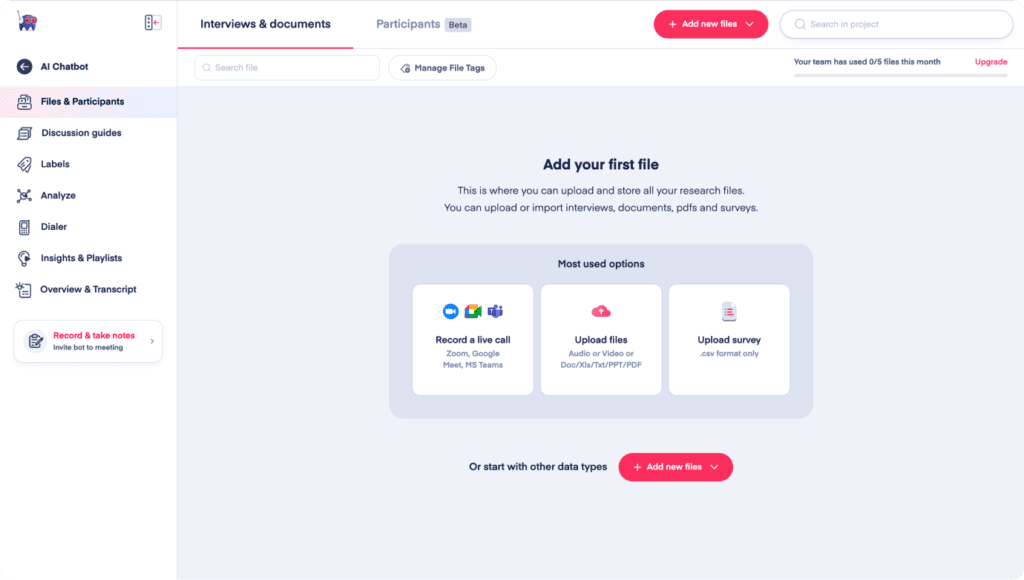
    Caption: The AI-powered app Marvin can record and analyze research data in seconds.

    Sentiment Analysis at Scale

    Sentiment analysis determines user emotions and attitudes from text data. AI-powered sentiment analysis can process massive datasets to uncover patterns and trends. Key contributions include emotion recognition, contextual understanding, and customization.

    Behavior Tracking with Precision

    Understanding user behavior is essential for effective design. AI-driven behavior tracking reveals how users interact with products and services. AI contributes through journey mapping, predictive analytics, and insights derived from A/B testing.

    Persona Creation and Personalization

    Personas are fictional representations of target users. AI streamlines persona creation by analyzing user data and generating personas based on real behavior. AI-enhanced personas are data-driven, dynamic, and support hyper-personalized experiences.

    Challenges and Ethical Considerations

    AI-powered user research also introduces important responsibilities:

    • Data Privacy: Data collection and analysis must respect privacy regulations and user consent.

    • Bias Mitigation: Algorithms must be trained and monitored to avoid reinforcing bias in findings.

    • Transparency: Users should understand how their data is used, and transparency helps maintain trust.

    The Future of AI-Powered User Research

    User research will continue to evolve as AI advances:

    • Multimodal Analysis: AI will combine text, images, voice, and other sources for richer insights.

    • Emotion and Sentiment Enhancement: Better interpretation of complex emotions will enable deeper empathy.

    • Real-Time Predictive Insights: Real-time analysis and prediction will help teams make informed decisions faster.

    Conclusion

    AI is making user research more efficient, scalable, and insightful. By automating data collection, strengthening sentiment analysis, tracking behavior, and improving persona creation, AI helps designers build more user-centered and personalized experiences. As AI progresses, the synergy between design and AI-driven research will shape the future of user-centered design, ensuring products and services that resonate more deeply with user needs.

    If you enjoyed reading this article, please share it with a colleague or friend, and join me next week to learn about AI-driven ideation and concept generation.

  • Introduction to AI in Product Design

    Introduction to AI in Product Design

    In the ever-evolving landscape of product design, a new frontier has emerged that promises to reshape how we conceive and craft products: Artificial Intelligence. This introduction explores AI’s growing role in product design and highlights the significance and advantages it brings to the creative process. It is a journey that points toward the future of design.

    The Profound Significance

    AI is not simply a buzzword. It is a transformative force already reshaping the design industry. Traditionally, product design relied heavily on human creativity and intuition, both invaluable yet limited. AI enters as a powerful ally, extending the boundaries of design thinking. Its significance lies in the ability to analyze vast datasets, identify patterns, and generate insights that might otherwise be missed. This data-driven approach empowers designers to make more informed decisions, resulting in more user-centric and effective outcomes.

    Unveiling the Advantages

    The benefits of incorporating AI into product design are wide-ranging. One of the most immediate advantages is speed. Tasks that once took days or weeks can now be completed in a fraction of the time. AI-powered tools can rapidly generate design prototypes, allowing designers to dedicate more energy to strategic and creative thinking.

    Caption: The AI-powered app Visily can generate design prototypes in seconds.

    AI also enhances user research. Through sentiment analysis and behavior tracking, designers gain deeper insight into their audiences. These insights inform better design decisions and help create products that resonate more strongly with real user needs.

    Personalization and customization are additional strengths. Recommendation systems and adaptive content powered by AI allow designers to deliver tailored experiences, increasing engagement and satisfaction.

    The Synergy of Human Creativity and AI

    One truth stands out clearly: AI does not replace human designers. It elevates them. The combination of human creativity and AI’s analytical power creates a powerful partnership. Designers can explore bold concepts, test new directions, and iterate quickly while supported by reliable data and insights. This collaboration between humans and intelligent systems represents a new peak in design innovation.

    Conclusion

    The integration of AI into product design signals a profound shift. It ushers in an era where design cycles accelerate, research becomes more precise, and personalized experiences become the standard. Through all of this change, one constant remains: the most impactful designs emerge when human imagination and AI intelligence work together. The future of design is unfolding now, and it is full of possibility.

    If you enjoyed reading this article, please share it with a colleague or friend, and join me next week to learn about AI-powered user research.