
In the ever-evolving landscape of digital design, the pursuit of excellence never rests. Enter Artificial Intelligence (AI), a powerful ally in the quest for perfection. In this article, we dive into the realm of design optimization, where AI takes center stage, uncovering its potential through A/B testing and multivariate testing. Additionally, we explore how AI refines user interfaces for superior performance. It is a journey that demonstrates how data-driven insights can unlock design’s full potential, delivering experiences that captivate and satisfy users.
The Essence of Design Optimization
Design optimization is an art that goes beyond aesthetics. It is about enhancing the user experience, boosting engagement, and achieving specific goals. Traditionally, designers relied on intuition and best practices to refine their designs. AI has ushered in a data-driven era where design decisions are based on empirical evidence rather than gut feelings.
The Power of A/B Testing
A/B testing, also known as split testing, is a proven method for optimizing design. It involves comparing two versions of a design (A and B) to determine which one performs better in terms of engagement, conversions, or other key metrics.
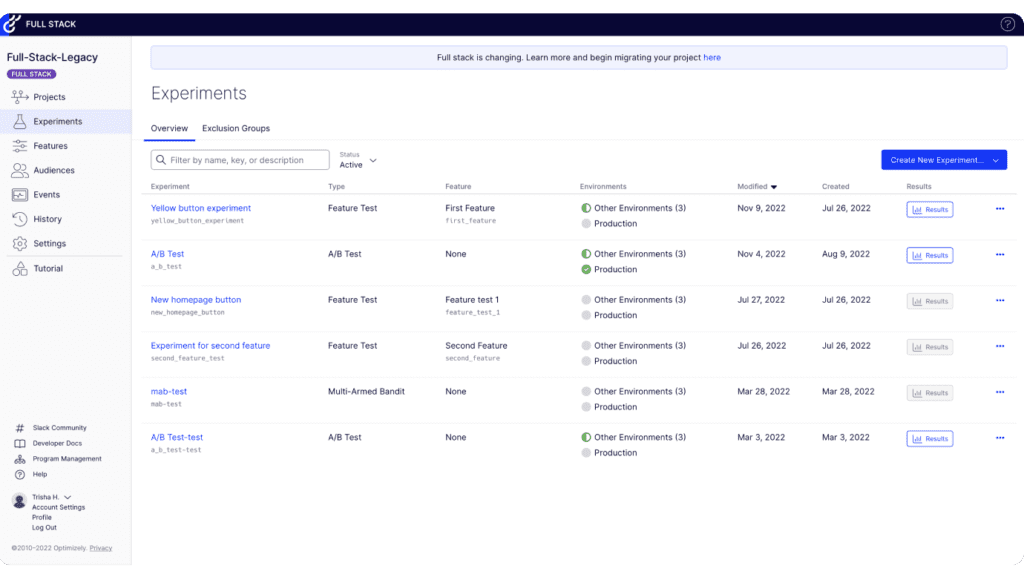
Caption: The AI-accelerated platform Optimizely has embedded AI natively across its fully composable DXP.
The Role of AI in A/B Testing
AI enhances A/B testing by automating many aspects of the process. AI algorithms can:
- Identify Key Metrics: Pinpoint the most important metrics to track so designers focus on what truly matters.
- Segment Audiences: Group users by behavior, preferences, or demographics to tailor experiments more effectively.
- Predict Outcomes: Analyze historical data to forecast which variations are most likely to succeed.
- Iterate Rapidly: Test multiple variations simultaneously, accelerating optimization cycles.
Multivariate Testing: Exploring Design Possibilities
While A/B testing compares two versions, multivariate testing evaluates multiple elements simultaneously. It is like running several A/B tests at the same time to see how combinations of changes influence behavior.
AI’s Contribution to Multivariate Testing
AI manages the complexity of analyzing many variables and their interactions. AI-driven multivariate testing can:
- Scale Complexity: Handle a vast number of variations at once.
- Discover Insights: Reveal hidden relationships between design elements and user behavior.
- Optimize Continuously: Turn testing into an ongoing process that steadily improves performance.
Refining User Interfaces with AI
User interfaces are the gateway to digital experiences. AI introduces new capabilities that make interfaces more intuitive, responsive, and user-centered.
Dynamic User Interfaces
AI can transform static layouts into adaptive ones that respond in real time. For example, an ecommerce site might rearrange products based on browsing history to increase relevance.
Predictive Interactions
AI can anticipate user actions and adjust interface elements accordingly. A smart assistant might suggest content or actions based on habits and context, creating a smoother experience.
Challenges and Considerations
AI-driven optimization brings responsibility alongside opportunity.
- Data Quality and Bias: If training data is biased or incomplete, results may be skewed and outcomes unfair.
- Privacy Concerns: Collecting behavioral data requires a careful balance between insight gathering and user privacy.
- Transparency and Explainability: When AI decisions are opaque, both designers and users may struggle to understand why certain outcomes occur, which can erode trust.
The Future of Design Optimization
As AI advances, several developments are likely.
- Hyper-Personalization: Designs will increasingly adapt to each individual’s preferences and context, creating uniquely tailored experiences.
- Real-Time Optimization: Interfaces will adjust continuously based on live interaction data to maintain peak performance.
- Enhanced Collaboration: Designers and AI systems will work together more fluidly, with AI offering suggestions and insights that strengthen creativity.
Conclusion
Design optimization with AI embraces data-driven decision making to create experiences that engage and satisfy. A/B testing and multivariate testing gain precision and speed through intelligent automation. As AI continues to evolve, the future points toward deeper personalization, continuous improvement, and richer collaboration. In this AI-infused era, design optimization becomes a living, adaptive craft rather than a static process.
If you enjoyed reading this article, please share it with a colleague or friend, and join me next week to learn about accessibility and inclusivity.
Leave a Reply