Scaling UX and Design Systems for a Global Platform
Lead Product Designer | Scaled Agile (2018–2025)
Context
SAFe Studio is a mission-critical enterprise platform used by organizations worldwide to plan, train, and execute large-scale agile work. As the platform scaled to millions of users, product complexity increased faster than UX consistency.
I joined as the first product designer to establish a sustainable design foundation that could support long-term growth, quality, and reliability.
To support scale and long-term consistency, we organized the platform as a layered ecosystem unified by a shared design system.
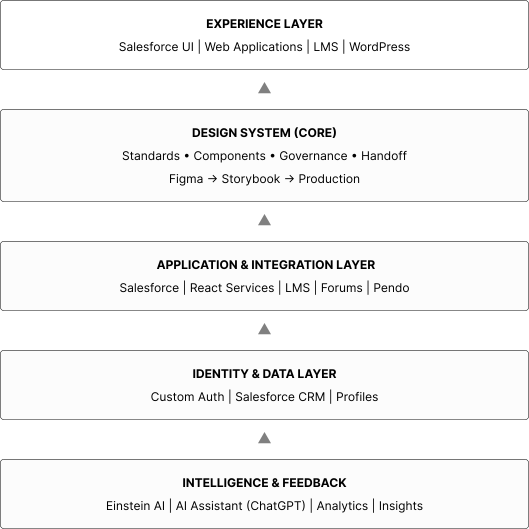
Caption: Simplified representation of a multi-platform ecosystem unified through a shared design system. While underlying technologies evolved over time, the design system provided a consistent user experience, governance model, and scalable foundation across Salesforce, React applications, third-party integrations, and marketing platforms.
Challenge
As the platform scaled globally, the absence of a centralized design language and structured user-testing feedback loops created significant design debt. Teams were operating in silos, which led to:
- Inconsistent UI patterns and duplicated work across teams
- Increased engineering effort due to fragmented components
- Limited visibility into real user behavior and delayed validation of design decisions
- Difficulty maintaining accessibility and localization standards
- Slower product delivery caused by design drift and rework
Responsibility
- Integrated user research findings and behavioral metrics into design strategy, enabling data-informed product decisions across multiple teams
- Led product and design-system strategy for the core platform
- Established design standards, governance, and review processes
- Built and mentored a cross-functional product design team
- Partnered with engineering and product to improve flow from design to delivery
Systems Architecture, Usability & Implementation
Phase 1: Audit, Inventory, and Empathy Interviews
- Conducted a UI audit across 250+ screens
- Identified duplicate components and inconsistencies
- Created an early component inventory and token structure
- Interviewed stakeholders and end-users to validate assumptions and guide strategic design decisions
Phase 2: Tokenization
- Established shared design tokens for color, spacing, and typography
- Built theme support for accessibility and future expansion
- Created and maintained a scalable library of reusable UI components aligned with accessibility and brand standards
Phase 3: Adoption
- Partnered with engineering to align design tokens with the codebase
- Introduced documentation and usage guidelines for teams
- Established continuous feedback loops with end users and product teams to inform iterative improvements and ensure practical adoption
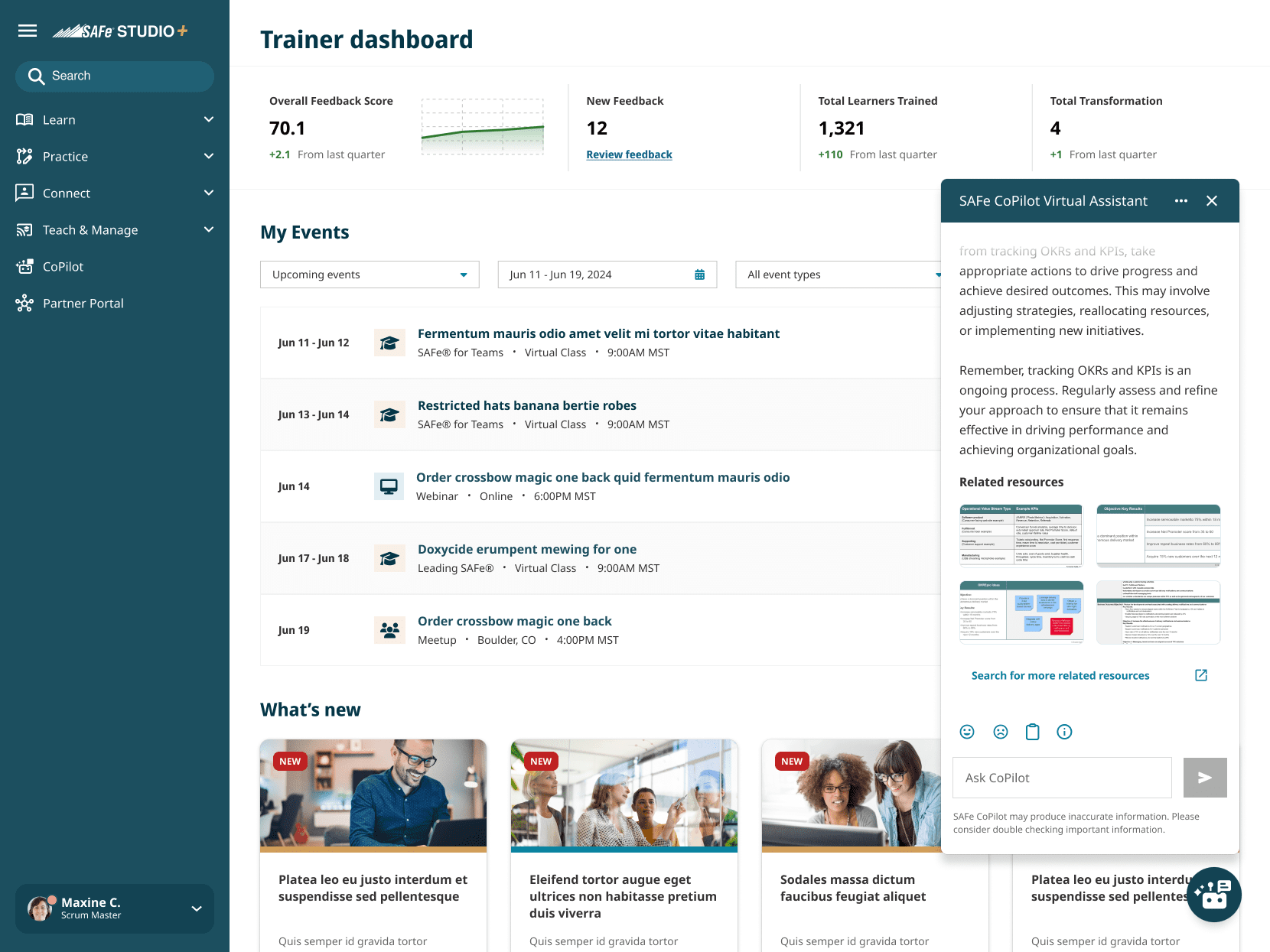
Caption: Example of a production-ready UI built on the shared design system, demonstrating consistency across components, states, and interactions.
Governance & Contribution Model
- Centralized review process for new components and updates
- Weekly cross-functional design and engineering syncs
- Versioning strategy to support incremental change without disruption
Impact
- Supported 2M+ global users with a more predictable experience
- Drove a 2.5× increase in product stickiness, improving DAU/MAU by aligning UX decisions with behavioral analytics and user feedback
- Improved delivery efficiency, reducing design-to-dev cycle time by ~33%
- Decreased task completion time for key workflows by ~50%
- Established a stable design system that scaled with products and teams
Design System Outcome
- Shared component library aligned with production code
- Improved quality and consistency without slowing delivery
- Faster onboarding for designers and engineers
- Clear ownership and governance for long-term sustainability
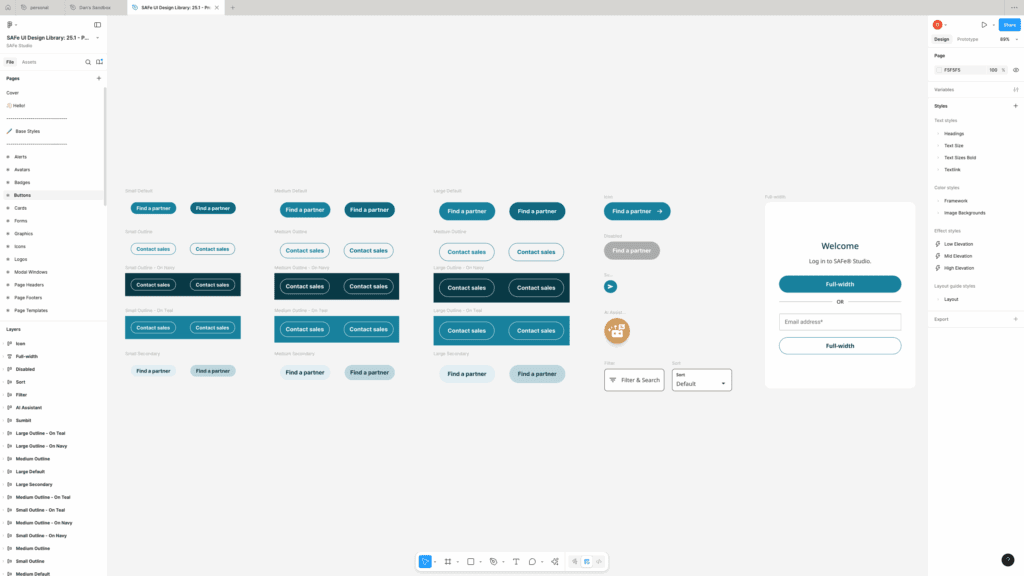
Caption: Example of a shared component that was implemented across design and production.
Key Learning
Strong systems emerge from collaboration, not control. By reducing unnecessary variation and aligning design with engineering, teams can focus on delivering meaningful user value and continuously improving the product experience through user-centered metrics and feedback loops aligned with the Google HEART framework.
I’ve been lucky to have Dan as a mentor from the very start of my career, and he’s supported my growth every step of the way. From teaching me the basics to helping me navigate more complex challenges, Dan has always been there with encouragement and thoughtful advice.
What inspires me most is how, even with 20+ years of experience, he stays curious, keeps up with the latest trends, and continues to be a lifelong learner. His example has pushed me to do the same.
I can’t overstate how much I’ve grown with Dan’s guidance. His impact goes far beyond design skills. He truly makes the people around him better.
–Taylor Myers, Sr. Product Designer
Confidentiality Note
Portions of this case study have been generalized or omitted to respect client confidentiality and non-disclosure agreements. The information presented reflects work I am authorized to share publicly while preserving the integrity of proprietary data, internal processes, and sensitive business details.