Category: Design Thinking Toolkit

  • Business Model Canvas

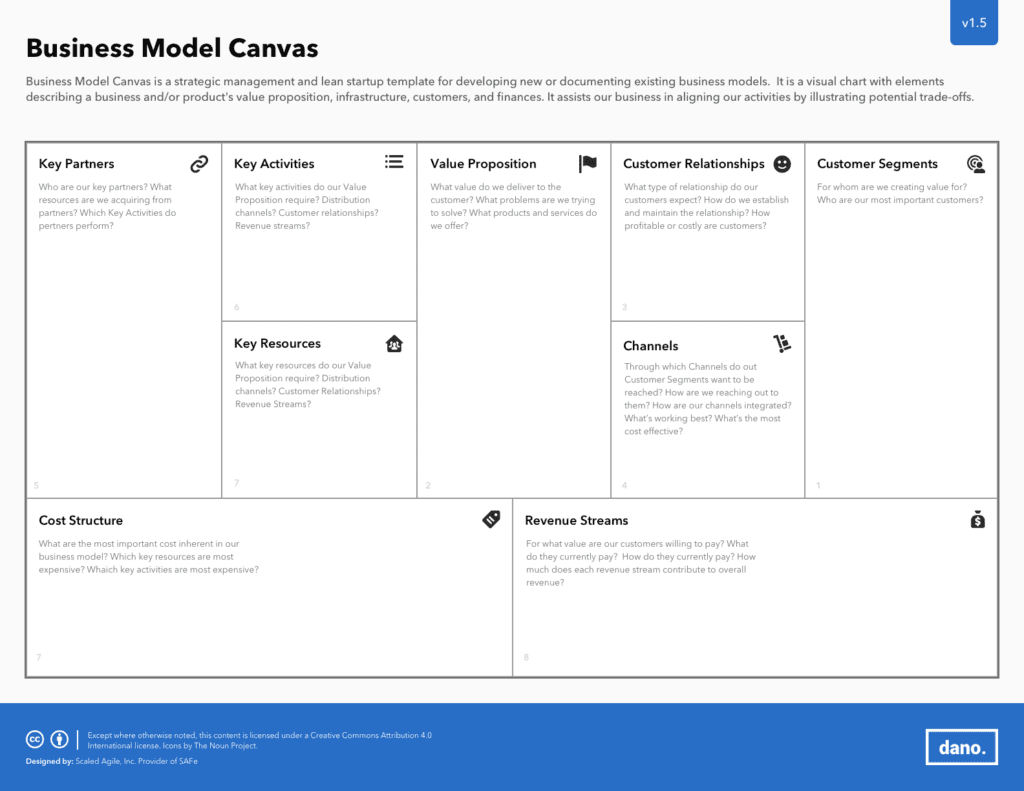
    The Business Model Canvas is a visual framework that helps entrepreneurs and businesses describe, design, challenge, invent, and pivot their business models. The canvas provides a structured approach for mapping out a business’s value proposition, customer segments, channels, customer relationships, revenue streams, key resources, key activities, key partners, and cost structure. The Business Model Canvas is meant to be used as a tool for innovation and business model design, and it provides a clear and concise overview of a business’s strategy on a single page.

    Completing a Business Model Canvas involves the following steps:

    • Identify your value proposition: What value are you offering to your customers, and how is it different from your competitors?
    • Define your customer segments: Who are your target customers, and what are their needs and pain points?
    • Determine your channels: How will you reach and interact with your customers?
    • Develop your customer relationships: What kind of relationship do you want to establish with your customers?
    • Identify your revenue streams: How will you generate revenue from your value proposition?
    • Map out your key resources: What resources do you need to deliver your value proposition?
    • Identify your key activities: What activities do you need to perform to deliver your value proposition?
    • Outline your key partners: Who are the key partners and suppliers that you need to work with to deliver your value proposition?
    • Define your cost structure: What are the costs associated with delivering your value proposition and operating your business?

    After completing these steps, you will have a visual representation of your business model that can be used to communicate your strategy to stakeholders, validate assumptions, and iterate on your business model as needed. The Business Model Canvas is meant to be a living document that can be updated and refined over time as your business evolves.

    Download Canvas (PDF):

    https://danolsavsky.com/wp-content/uploads/2023/02/Business-Model-Canvas.pdf

    This article is part of a series on Design Thinking.
  • Design Thinking Toolkit Series

    Design Thinking Toolkit Series

    [fusion_builder_container background_parallax=”none” enable_mobile=”no” parallax_speed=”0.3″ background_repeat=”no-repeat” background_position=”left top” video_aspect_ratio=”16:9″ video_mute=”yes” video_loop=”yes” fade=”no” padding_top=”20″ padding_bottom=”20″ hundred_percent=”no” equal_height_columns=”no” hide_on_mobile=”no” type=”flex” border_sizes_top=”0px” border_sizes_bottom=”0px” border_sizes_left=”0px” border_sizes_right=”0px”][fusion_builder_row][fusion_builder_column type=”1_1″ layout=”1_1″ spacing=”yes” center_content=”no” hover_type=”none” link=”” min_height=”” hide_on_mobile=”no” class=”” id=”” background_color=”” background_image=”” background_position=”left top” undefined=”” background_repeat=”no-repeat” border_color=”” border_style=”solid” border_position=”all” padding_top=”0px” padding_right=”10%” padding_bottom=”0px” padding_left=”10%” margin_top=”” margin_bottom=”” animation_type=”” animation_direction=”left” animation_speed=”0.1″ animation_offset=”” last=”true” border_sizes_top=”0″ border_sizes_bottom=”0″ border_sizes_left=”0″ border_sizes_right=”0″ first=”true”][fusion_title title_type=”text” loop_animation=”once” rotation_effect=”bounceIn” display_time=”1200″ highlight_effect=”circle” highlight_width=”9″ highlight_top_margin=”0″ before_text=”” rotation_text=”” highlight_text=”” after_text=”” title_link=”off” link_url=”” link_target=”_self” hide_on_mobile=”small-visibility,medium-visibility,large-visibility” sticky_display=”normal,sticky” class=”” id=”” content_align_medium=”” content_align_small=”” content_align=”center” size=”1″ animated_font_size=”” fusion_font_family_title_font=”” fusion_font_variant_title_font=”” font_size=”” line_height=”” letter_spacing=”” text_transform=”” text_color=”#3d3d3d” hue=”” saturation=”” lightness=”” alpha=”” animated_text_color=”” text_shadow=”no” text_shadow_vertical=”” text_shadow_horizontal=”” text_shadow_blur=”0″ text_shadow_color=”” margin_top_medium=”” margin_right_medium=”” margin_bottom_medium=”” margin_left_medium=”” margin_top_small=”” margin_right_small=”” margin_bottom_small=”” margin_left_small=”” margin_top=”” margin_right=”” margin_bottom=”” margin_left=”” margin_top_mobile=”” margin_bottom_mobile=”” gradient_font=”no” gradient_start_color=”” gradient_end_color=”” gradient_start_position=”0″ gradient_end_position=”100″ gradient_type=”linear” radial_direction=”center center” linear_angle=”180″ highlight_color=”” style_type=”none” sep_color=”” link_color=”” link_hover_color=”” animation_type=”” animation_direction=”left” animation_color=”” animation_speed=”0.3″ animation_delay=”0″ animation_offset=””]

    Design Thinking Toolkit

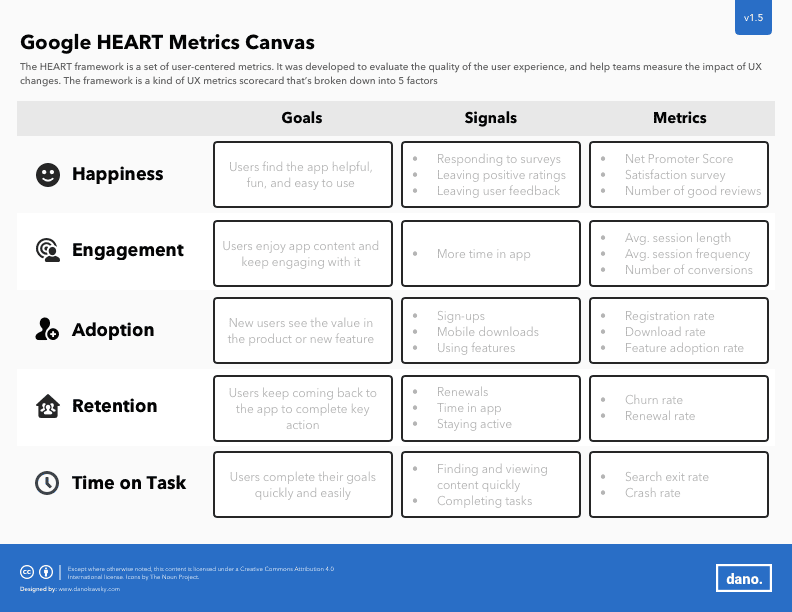
    [/fusion_title][fusion_imageframe image_id=”1923|full” aspect_ratio=”” custom_aspect_ratio=”100″ aspect_ratio_position=”” skip_lazy_load=”” lightbox=”yes” gallery_id=”” lightbox_image=”” lightbox_image_id=”” alt=”” link=”” linktarget=”_self” hide_on_mobile=”no” sticky_display=”normal,sticky” class=”” id=”” max_width=”” sticky_max_width=”” align_medium=”none” align_small=”none” align=”center” mask=”” custom_mask=”” mask_size=”” mask_custom_size=”” mask_position=”” mask_custom_position=”” mask_repeat=”” style_type=”none” blur=”” stylecolor=”” hue=”” saturation=”” lightness=”” alpha=”” hover_type=”liftup” margin_top_medium=”” margin_right_medium=”” margin_bottom_medium=”” margin_left_medium=”” margin_top_small=”” margin_right_small=”” margin_bottom_small=”” margin_left_small=”” margin_top=”” margin_right=”” margin_bottom=”” margin_left=”” bordersize=”0px” bordercolor=”” borderradius=”0″ z_index=”” caption_style=”off” caption_align_medium=”none” caption_align_small=”none” caption_align=”none” caption_title=”” caption_text=”” caption_title_tag=”2″ fusion_font_family_caption_title_font=”” fusion_font_variant_caption_title_font=”” caption_title_size=”” caption_title_line_height=”” caption_title_letter_spacing=”” caption_title_transform=”” caption_title_color=”” caption_background_color=”” fusion_font_family_caption_text_font=”” fusion_font_variant_caption_text_font=”” caption_text_size=”” caption_text_line_height=”” caption_text_letter_spacing=”” caption_text_transform=”” caption_text_color=”” caption_border_color=”” caption_overlay_color=”” caption_margin_top=”” caption_margin_right=”” caption_margin_bottom=”” caption_margin_left=”” animation_type=”” animation_direction=”down” animation_color=”” animation_speed=”0.1″ animation_delay=”0″ animation_offset=”” filter_hue=”0″ filter_saturation=”100″ filter_brightness=”100″ filter_contrast=”100″ filter_invert=”0″ filter_sepia=”0″ filter_opacity=”100″ filter_blur=”0″ filter_hue_hover=”0″ filter_saturation_hover=”100″ filter_brightness_hover=”100″ filter_contrast_hover=”100″ filter_invert_hover=”0″ filter_sepia_hover=”0″ filter_opacity_hover=”100″ filter_blur_hover=”0″]https://danolsavsky.com/wp-content/uploads/2023/02/Google-HEART-Metrics-Canvas.png[/fusion_imageframe][fusion_separator style_type=”none” top_margin=”50px” alignment=”center” /][fusion_text columns=”” column_min_width=”” column_spacing=”” rule_style=”” rule_size=”” rule_color=”” hue=”” saturation=”” lightness=”” alpha=”” content_alignment_medium=”” content_alignment_small=”” content_alignment=”” hide_on_mobile=”small-visibility,medium-visibility,large-visibility” sticky_display=”normal,sticky” class=”” id=”” margin_top=”” margin_right=”” margin_bottom=”” margin_left=”” fusion_font_family_text_font=”” fusion_font_variant_text_font=”” font_size=”” line_height=”” letter_spacing=”” text_transform=”” text_color=”” animation_type=”” animation_direction=”left” animation_color=”” animation_speed=”0.3″ animation_delay=”0″ animation_offset=””]

    My Design Thinking Toolkit is a set of techniques, methods, and tools used to approach problem-solving and innovation in a human-centered way. Design thinking is a iterative process that involves empathy for the user, defining the problem, ideating potential solutions, prototyping, and testing. The toolkit can includes a variety of techniques and tools, such as customer journey maps, empathy maps, brainstorming guides, and more. The goal of the Design Thinking Toolkit is to help individuals and organizations develop creative and effective solutions to complex problems by putting the needs and perspectives of users at the forefront of the design process. The toolkit is widely used in a variety of industries and sectors, including technology, healthcare, education, and more, and can be applied to a range of challenges, from developing new products and services to improving existing processes and systems. Each month, over the next eleven months, I’ll add a new canvas to the series with a brief explanation on how to use it.

    [/fusion_text][/fusion_builder_column][/fusion_builder_row][/fusion_builder_container]

  • What is Design Thinking?

    What is Design Thinking?

    Design thinking is a human-centered approach to problem-solving that involves empathy, experimentation, and iteration to create innovative solutions. It emphasizes putting the needs and perspectives of the people you’re designing for at the forefront, and using rapid prototyping and testing to iterate and improve the solution. Design thinking can be applied to a wide range of problems, from creating new products to improving processes and systems.

    Design Thinking History

    Design thinking has roots in the fields of engineering, architecture, and product design, and has been practiced in various forms for many decades. However, the term “design thinking” as it is used today gained popularity in the 1990s and 2000s, as design firms and consultants began to apply the principles of design to a wider range of problems and industries.

    One of the earliest and most influential proponents of design thinking was the design consultancy IDEO, which has been using the approach to help organizations innovate since the 1980s. IDEO popularized the concept of “human-centered design,” which involves understanding the needs, wants, and perspectives of the people who will be using a product or service in order to design more effective solutions.

    In recent years, design thinking has become increasingly mainstream, and is now used by companies and organizations of all sizes and in all industries, as well as by governments and non-profits. It has also become a popular topic of study in academic programs and executive education courses, and is being taught to students of all ages as a way to encourage creativity and innovation.

    Design Thinking Process

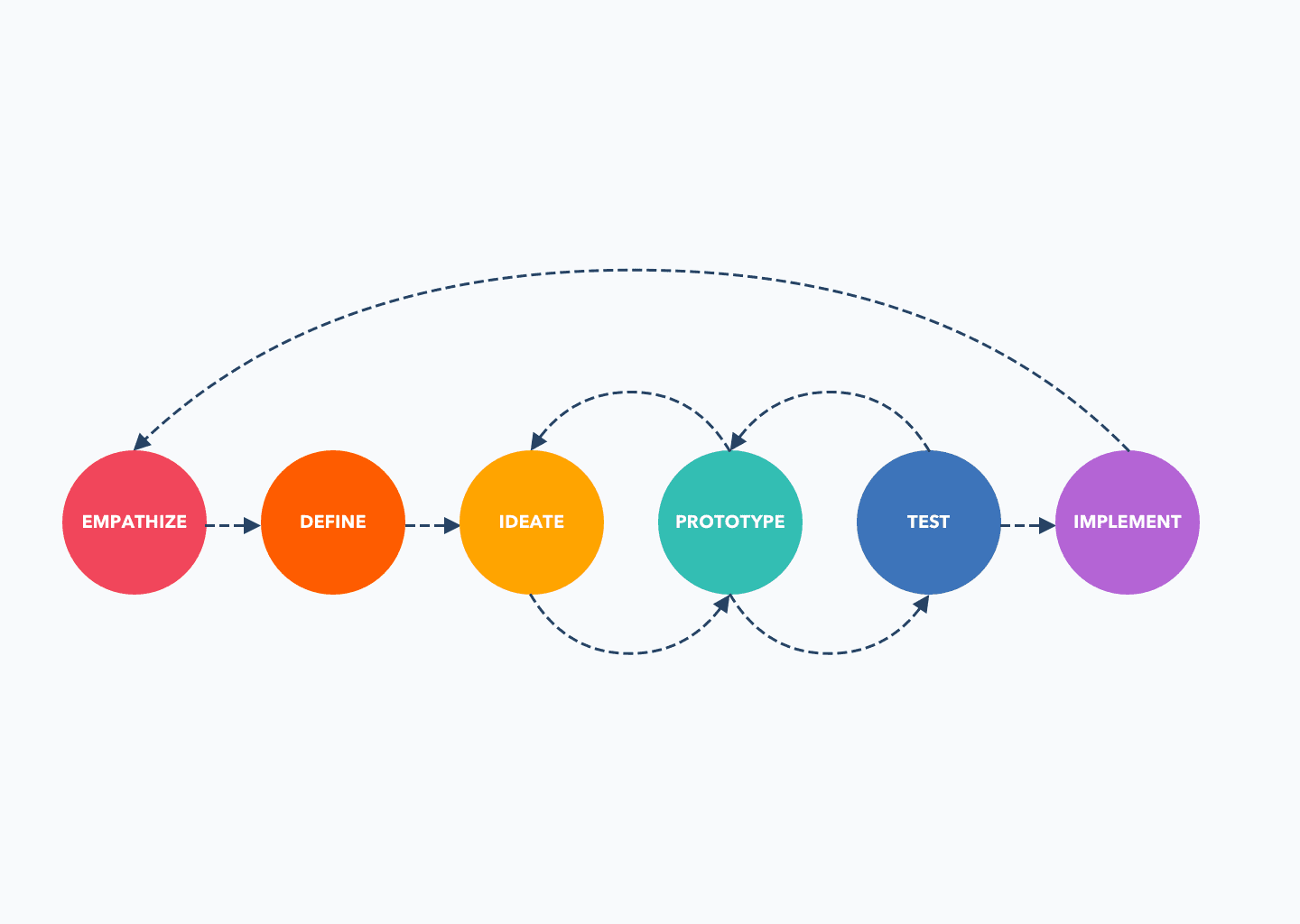
    The design thinking process typically involves five stages: Empathize, Define, Ideate, Prototype, and Test. These stages are not meant to be strictly linear, and in practice, designers often iterate and move back and forth between stages as they work to develop a solution. Here is a brief overview of each stage:

    1. Empathize: In this stage, designers seek to understand the people they are designing for by gathering data through observation, interviews, and other methods. This stage is all about putting yourself in the shoes of the end user to understand their needs, motivations, and pain points.
    2. Define: In this stage, designers take the insights from the empathize stage and use them to develop a clear and concise problem statement. This statement acts as a guiding light for the rest of the design thinking process.
    3. Ideate: In this stage, designers generate as many ideas as possible to address the problem they have defined. This stage is all about letting go of assumptions and letting creativity take over.
    4. Prototype: In this stage, designers take their best ideas and create quick and low-fidelity prototypes to test their concepts. These prototypes can take many forms, including sketches, wireframes, or even physical models.
    5. Test: In this stage, designers test their prototypes with real users to get feedback and validate or invalidate their assumptions. This stage is critical to the design thinking process, as it allows designers to learn from their users and make improvements to their designs based on the feedback they receive.

    By using this iterative process, designers can create innovative solutions that are well-suited to the needs and wants of the people they are designing for.