
Designing a Secure Legal Data Request Platform for T-Mobile
Lead UI Designer
Enterprise
Law Enforcement
TeleCom
Internal tool
2017-2018
Context
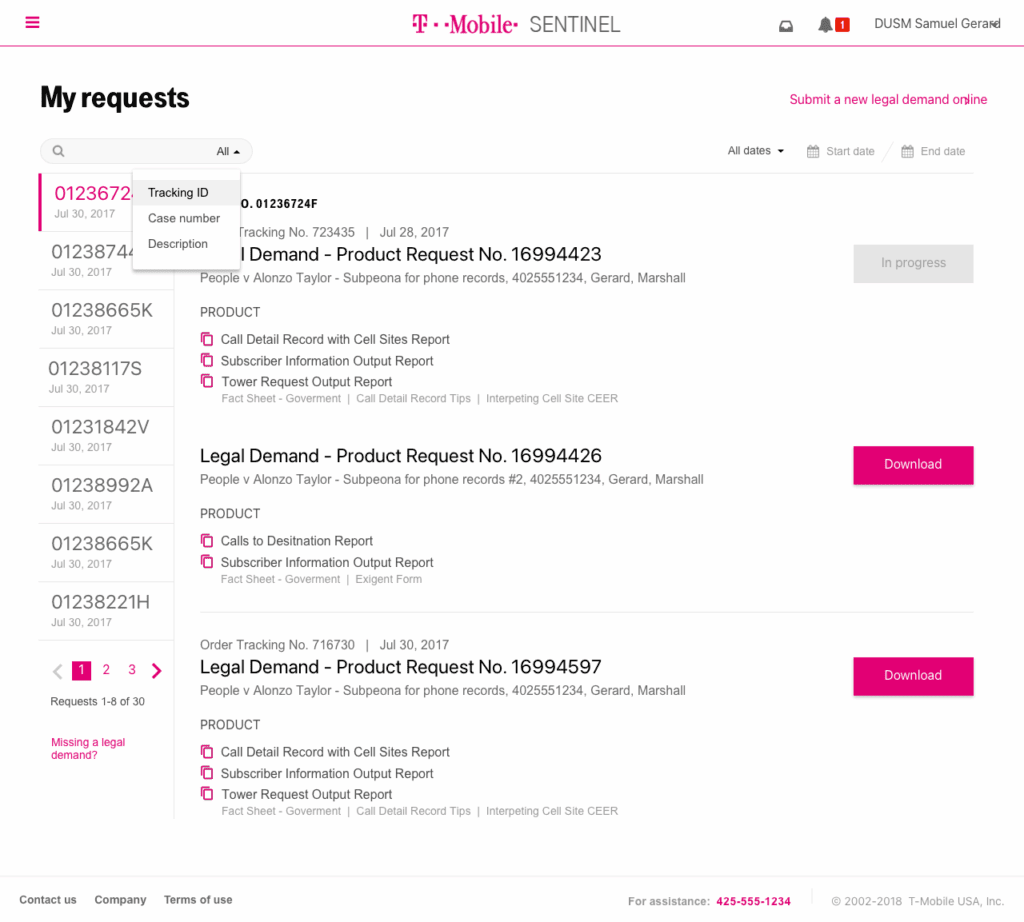
Sentinel was a secure internal platform built for law enforcement agencies to submit and manage legal data requests. The existing process relied heavily on fax machines, manual approvals, and fragmented tools, resulting in delays and inconsistent handling of sensitive information.
I joined as Lead UI Designer to help modernize the experience, align with T-Mobile’s GLUE design system, and create intuitive workflows that could be adopted by users with varying levels of technical proficiency.
Overall Impact
- Reduced request turnaround time by ~33%
- Eliminated dependence on fax-based processes
- Improved accessibility and usability for non-technical users
- Increased adoption across law enforcement agencies
- Established a scalable UI foundation aligned with T-Mobile standards
The Problem
As the platform scaled across agencies and jurisdictions, the system struggled to support real-world workflows.
Teams were dealing with:
- Heavy reliance on paper and fax-based processes
- Long and inconsistent approval turnaround times
- Fragmented tools and disconnected workflows
- Low adoption among non-technical users
- Strict legal and compliance constraints
This was not just a usability issue. It was a high-stakes operational problem where inefficiencies directly impacted time-sensitive legal requests.
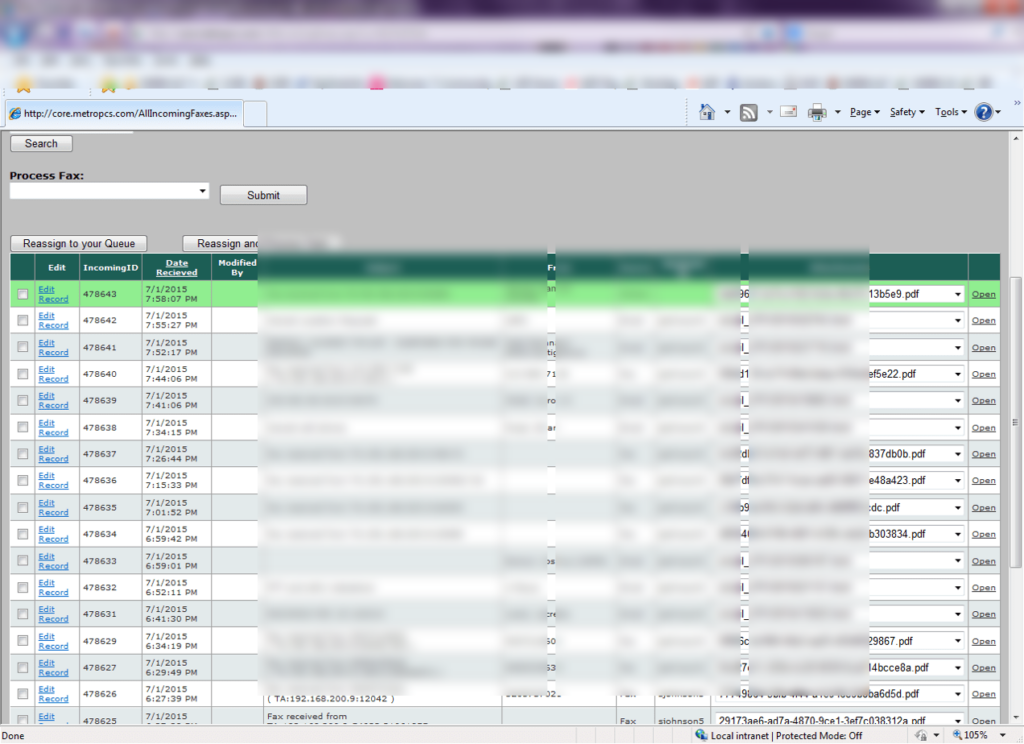
Caption: A view of the original system before I redesigned it. Sometimes, even the largest organizations in the world operate on “what works” instead of what works well.

Caption: The redesigned workflow reduced approval times by approximately 33%, eliminated fax-based processes, and increased adoption across rural agencies.
My role
I led UI design and workflow execution across the product, working in close partnership with design, engineering, and law enforcement stakeholders.
My responsibilities included:
- Leading high-fidelity UI design and interaction patterns
- Collaborating with a UX designer on IA, flows, and wireframes
- Partnering with legal, compliance, product, and engineering teams
- Extending the GLUE design system with Sentinel-specific components
- Creating prototypes and visual specifications for validation
- Supporting developer handoff and QA validation
- Conducting regular user testing sessions with Federal law enforcement officers
- Traveling from Denver to Seattle to work directly with engineering teams
Approach
1. Discovery & Workflow Mapping
- I began by understanding the real-world complexity of legal data request workflows.
- Conducted stakeholder interviews across legal, compliance, and product teams
- Met directly with law enforcement officers to understand their needs and constraints
- Mapped existing workflows and identified bottlenecks
- Aligned legal requirements with practical digital experiences
Impact: Established a clear understanding of where delays and friction occurred in high-stakes workflows.
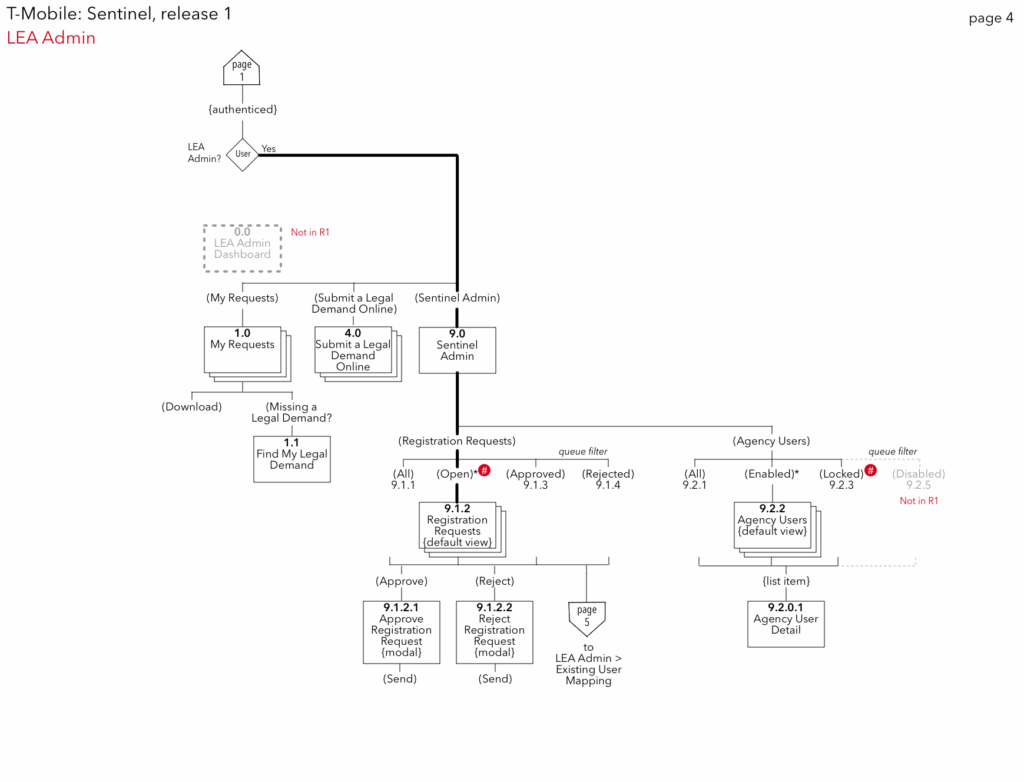
Caption: Mapping the end-to-end request lifecycle to identify bottlenecks, redundancies, and opportunities for optimization.
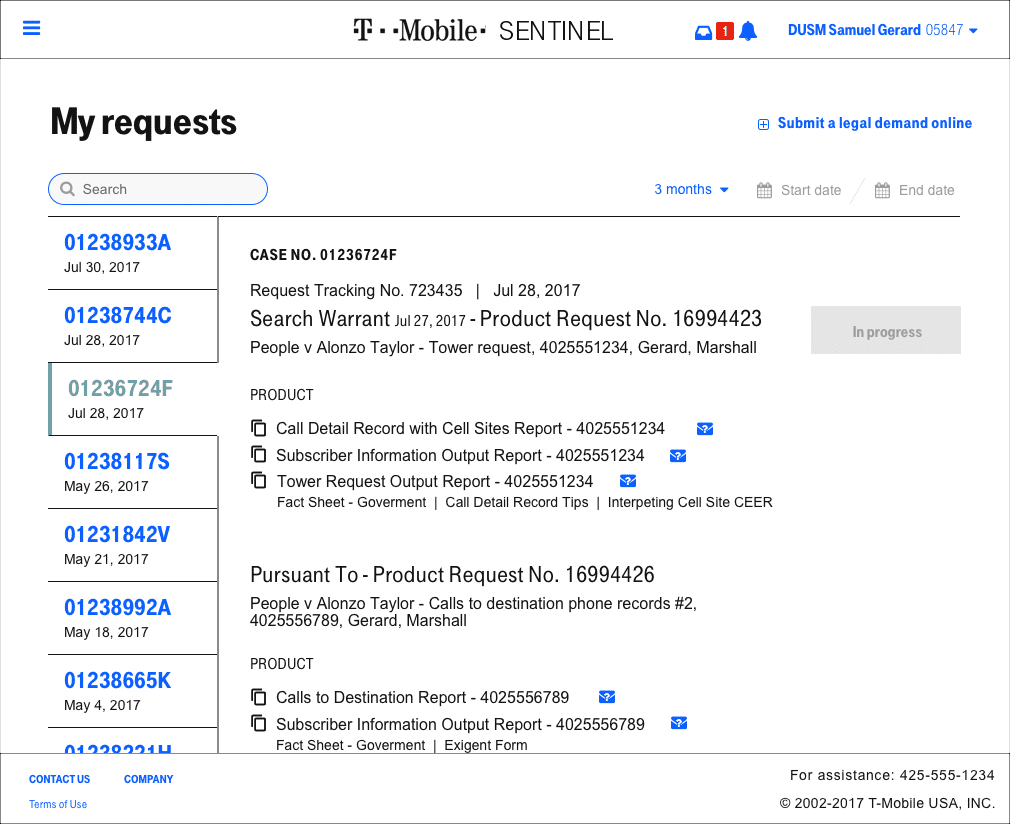
Caption: An example of a low fidelity wireframe used for rapid prototyping sessions with stakeholders.
2. Continuous User Validation
To ensure the system worked in real-world scenarios, I built continuous feedback into the process.
- Met twice weekly with stakeholders and Federal law enforcement officers
- Shared progress through interactive prototypes
- Captured feedback in real time and iterated quickly
- Validated usability across users with varying technical experience
Impact: Reduced risk and ensured the platform was intuitive and usable across diverse agencies.
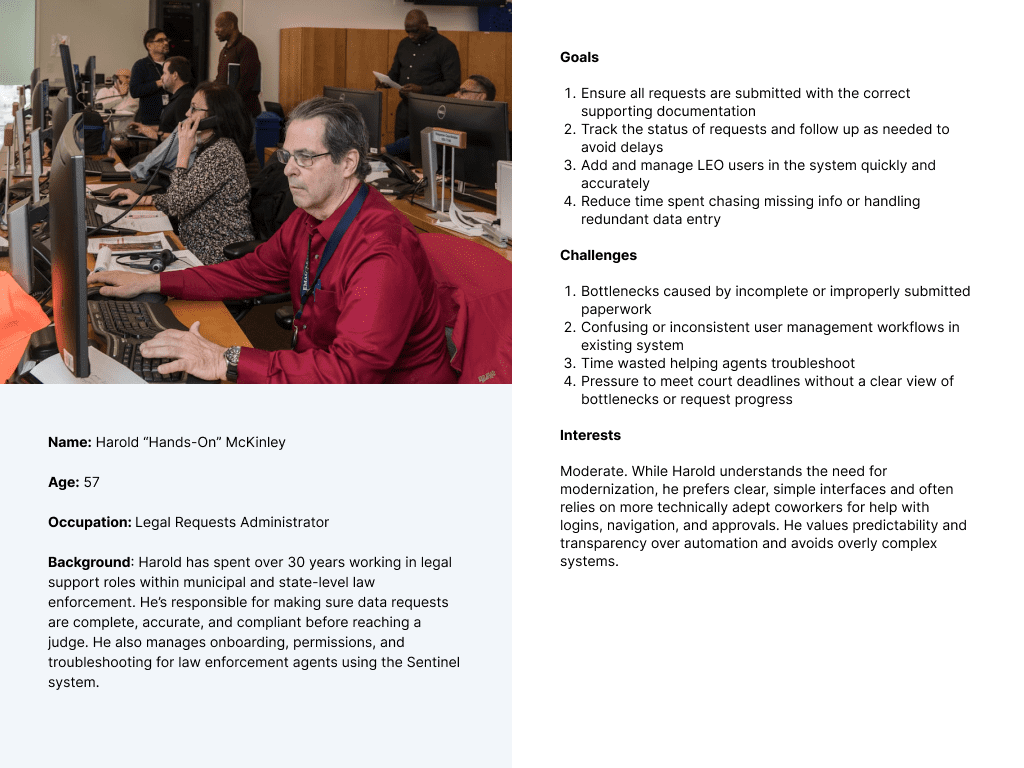
Caption: I had regular working sessions with law enforcement stakeholders and T-Mobile administrators, to validating workflows and refining usability in real time.
Designing Within and Extending a Design System
A core part of my contribution was leveraging and expanding T-Mobile’s GLUE design system.
- Aligned with GLUE components for consistency and brand integrity
- Designed supplemental components for complex legal workflows
- Handled edge cases, approval states, and conditional logic
- Ensured accessibility and clarity across all interactions
Impact: Created a scalable UI foundation that balanced consistency with specialized workflow needs.
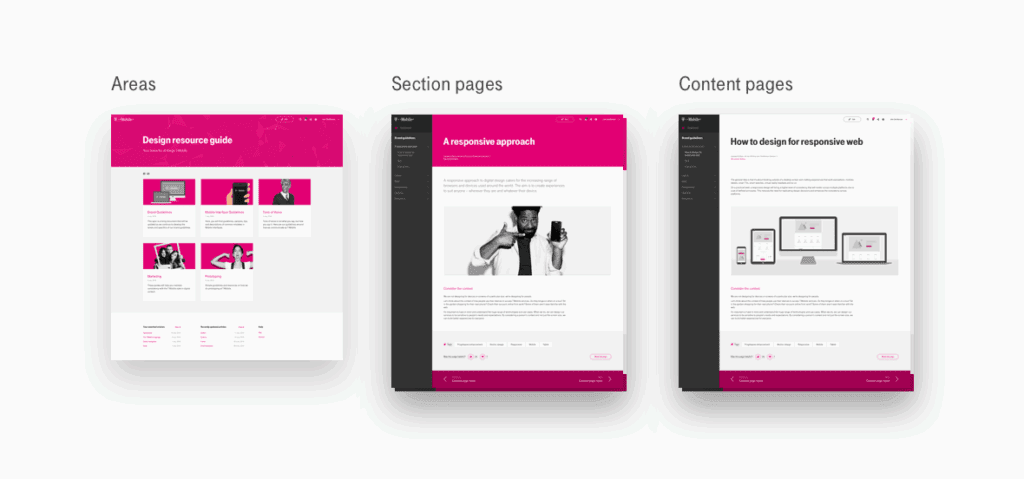
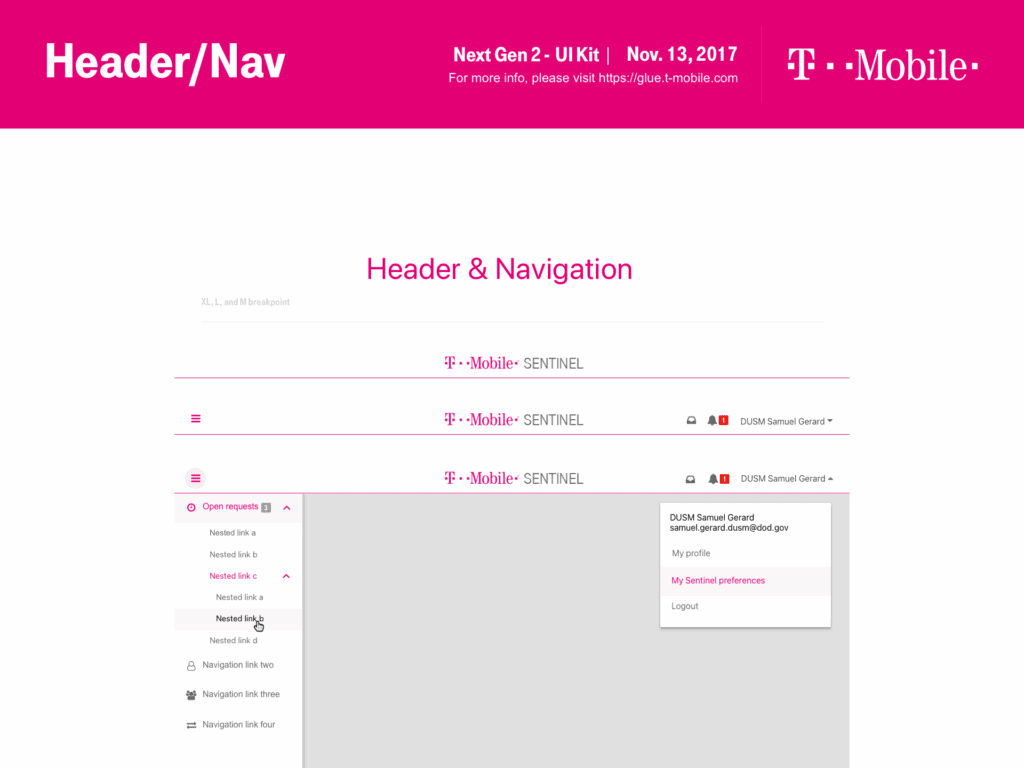
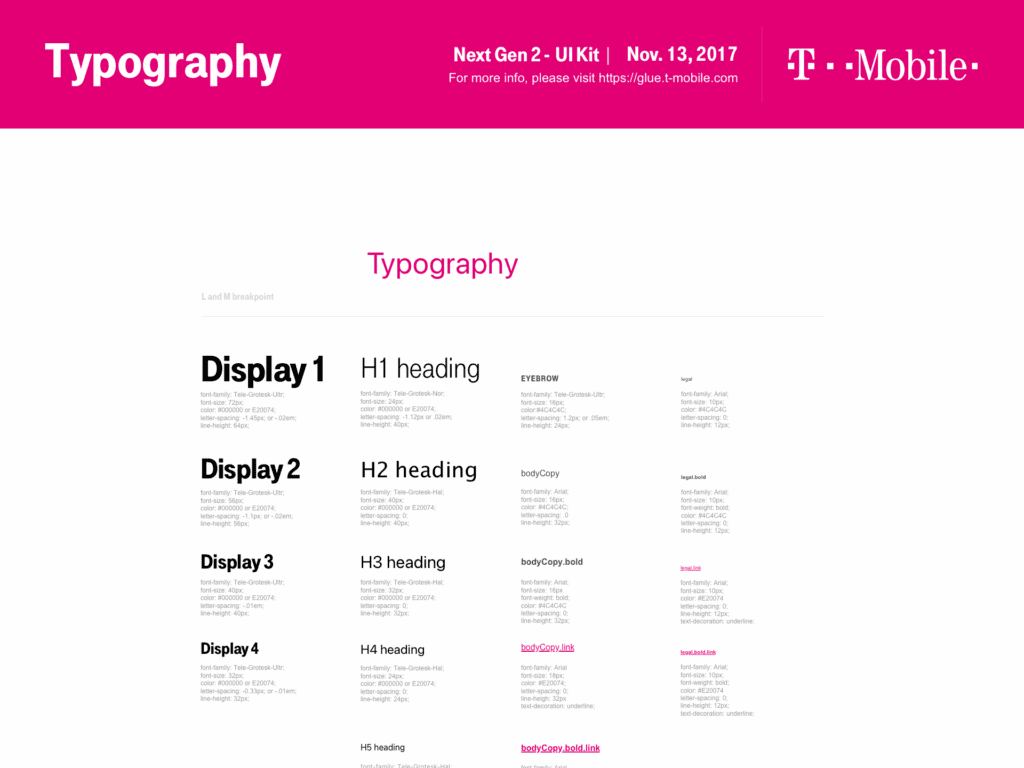
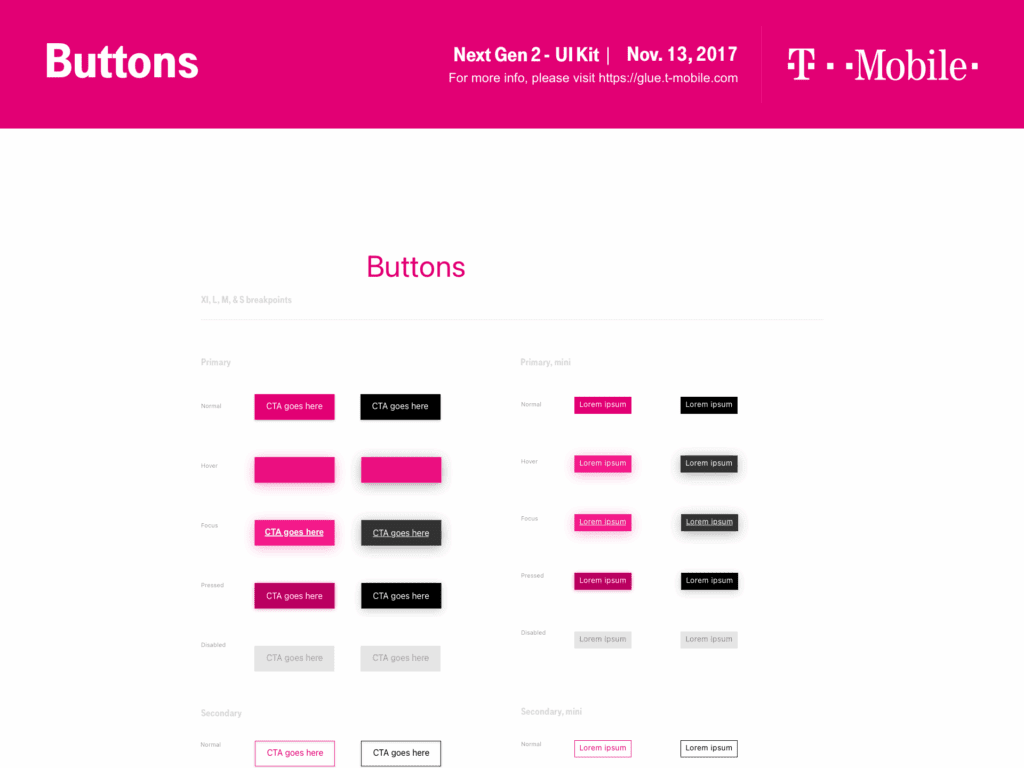
Caption: Examples of my contributions to the shared G.L.U.E. design system, demonstrating consistency across components, states, and interactions.
4. High-Fidelity Design & Prototyping
I translated complex workflows into clear, usable interfaces.
- Created high-fidelity UI designs and interaction patterns
- Built interactive prototypes for stakeholder validation
- Focused on clarity, hierarchy, and reducing cognitive load
- Ensured usability for both technical and non-technical users
Impact: Simplified complex legal processes into intuitive digital workflows.
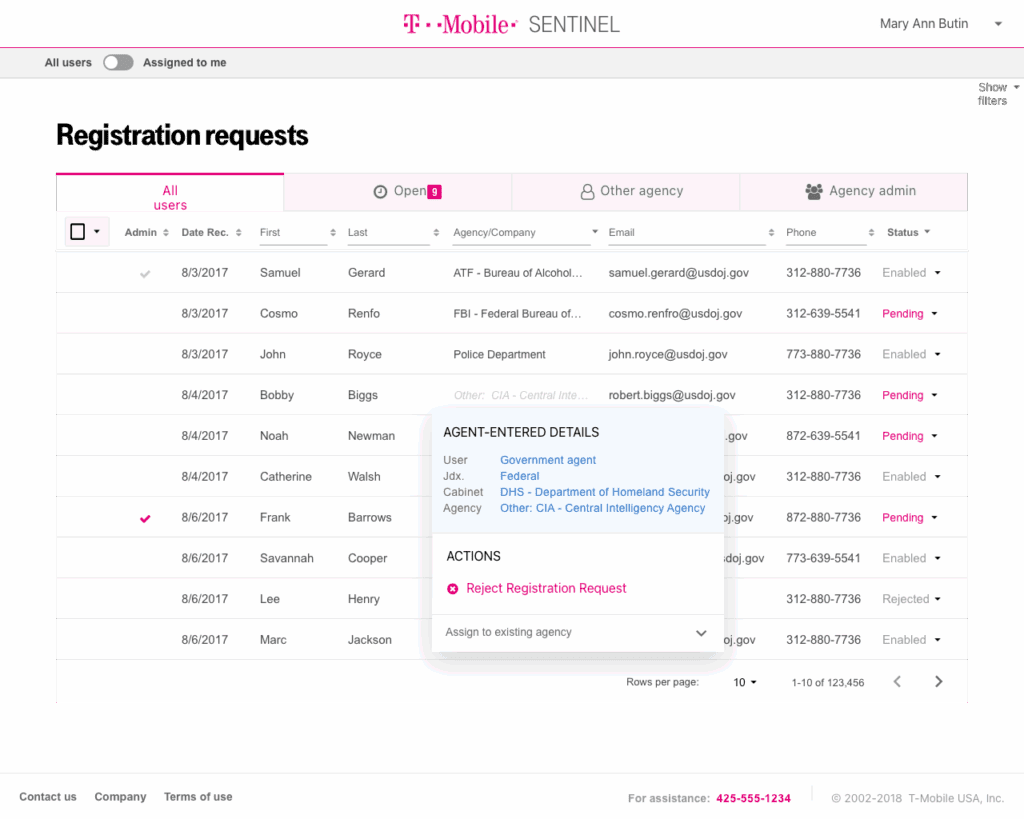
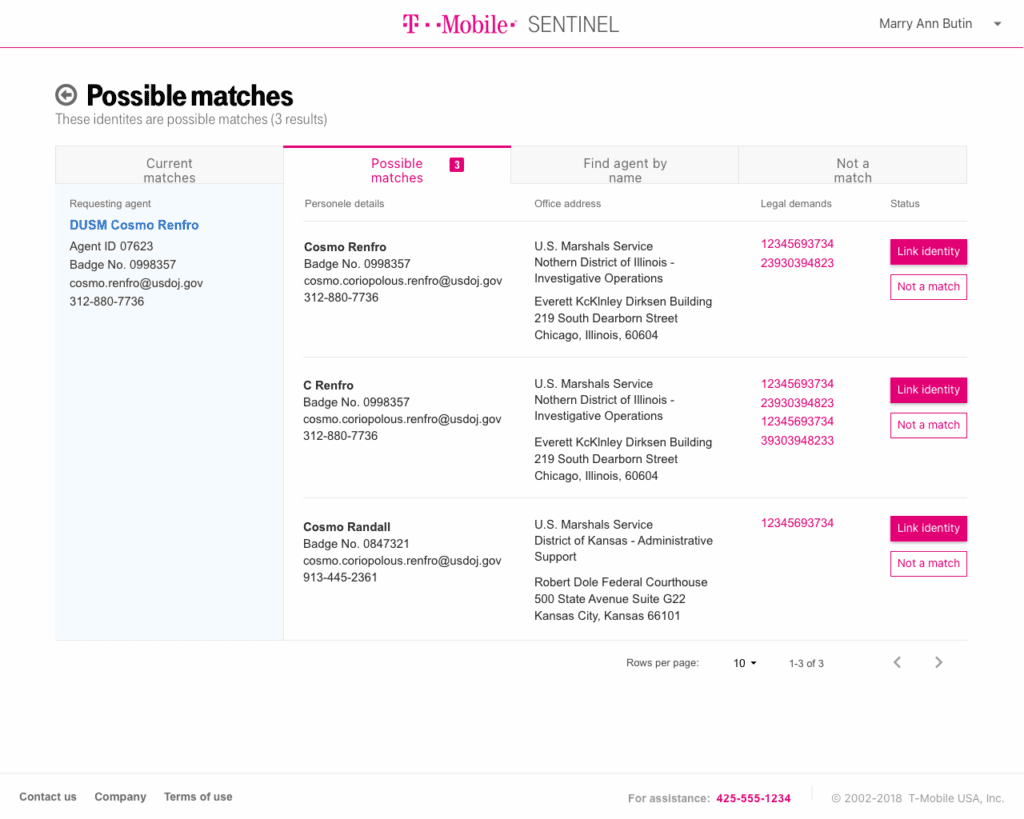
Caption: Example interfaces designed and developed for clarity, accessibility, and efficiency in high-stakes workflows.
5. Bridging Design and Engineering
Close collaboration with engineering was critical to successful delivery.
- Partnered directly with developers during implementation
- Traveled regularly to Seattle to work alongside engineering teams
- Provided detailed specifications and design guidance
- Conducted QA to ensure design accuracy and usability
Impact: Enabled steady progress while maintaining quality under strict constraints.
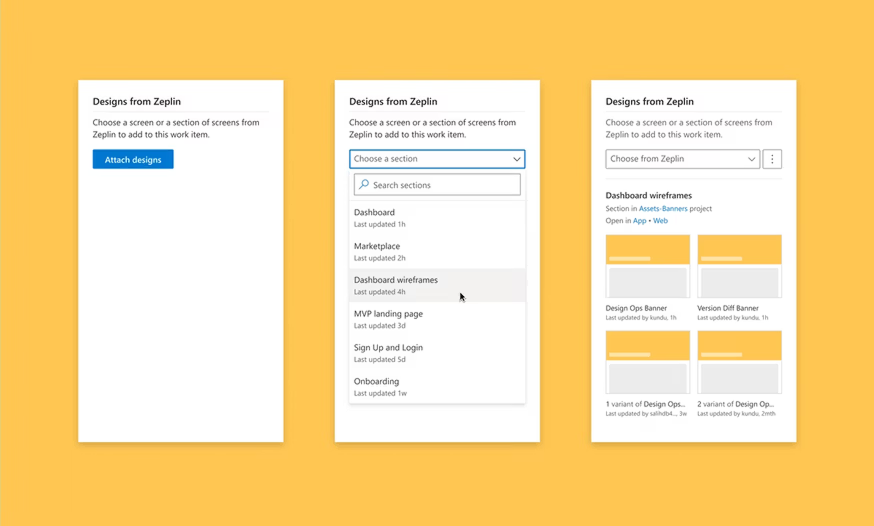
Caption: We utilized Zeplin’s built in design to dev workflow to export designs from InVision.
6. Governance & Delivery
To maintain consistency and quality, I supported structured collaboration.
- Twice-weekly stakeholder reviews and demos
- Participation in sprint planning and retrospectives
- Versioned design updates to support iterative delivery
- Continuous alignment across product, engineering, and compliance
Impact: Improved build quality and reduced friction between design and development.
Key Learning
Designing for high-stakes legal workflows requires more than visual polish.
Clarity, accessibility, and continuous collaboration with users, engineering, and compliance teams are what build trust and enable adoption. When systems are simplified thoughtfully, even the most complex processes can become efficient, reliable, and widely used.
Confidentiality Note
Portions of this case study have been generalized or omitted to respect client confidentiality and non-disclosure agreements. The information presented reflects work I am authorized to share publicly while preserving the integrity of proprietary data, internal processes, and sensitive business details.