SAFe Studio is a global enterprise platform used by organizations to plan, train, and execute large-scale agile work. As adoption scaled into the millions, product complexity grew rapidly across multiple teams, technologies, and user types.
I joined as the first product designer to establish a unified UX strategy and build the systems, workflows, and team practices needed to scale design effectively.
This work evolved into a full end-to-end transformation spanning research, design systems, delivery, governance, and cross-functional alignment.
Overall Impact
Supported 2M+ global users
Drove a 2.5× increase in product stickiness, improving DAU/MAU by aligning UX decisions with behavioral analytics and user feedback
Improved delivery efficiency, reducing design-to-dev cycle time by ~50%
Decreased task completion time for key workflows by ~50%
Established and governed a stable design system that scaled with products and teams
Shifted the org from assumption-driven decisions to validated, user-informed design
The Problem
As the platform scaled globally, the absence of a centralized design language and structured feedback loops created significant design and development debt.
Teams were operating in silos, which led to:
Inconsistent UI patterns and fragmented user experiences
Duplicate components and unnecessary engineering effort
Limited visibility into real user behavior
Delayed validation of design decisions
Accessibility and localization gaps
Slower delivery due to rework and misalignment
This was not just a design problem. It was a systems problem across product, engineering, and operations.
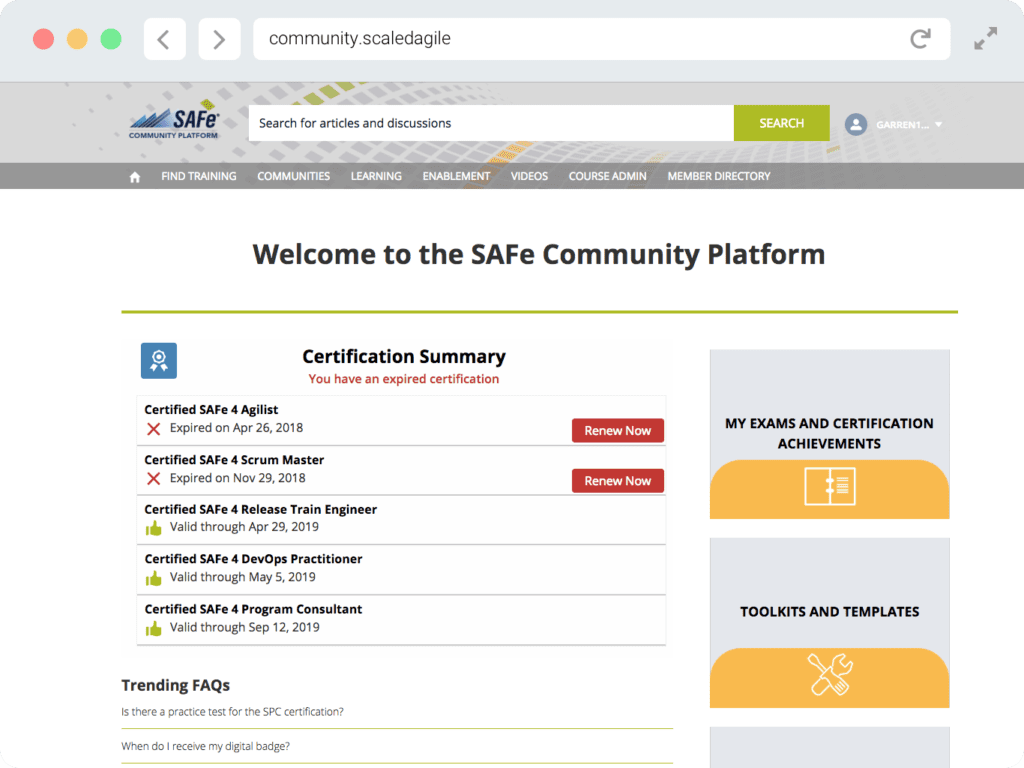
Caption: A view of the original user interface before I redesigned it. The main problem: we were serving all roles the same exact experience, despite them all logging in for very different reasons.
My Role
I led the transformation of UX from a fragmented function into a scalable system.
My responsibilities included:
Establishing end-to-end design thinking workflows across teams
Leading product and design system strategy
Conducting user research and synthesizing insights into product decisions
Building and mentoring a cross-functional design team
Partnering closely with product, engineering, and support
Defining governance, contribution models, and quality standards
Driving adoption of user-centered metrics using the HEART framework
Approach
1. Establishing a User-Centered Foundation
I began by grounding the organization in real user needs.
Conducted stakeholder interviews across business, product, and engineering
Interviewed end users across roles and industries
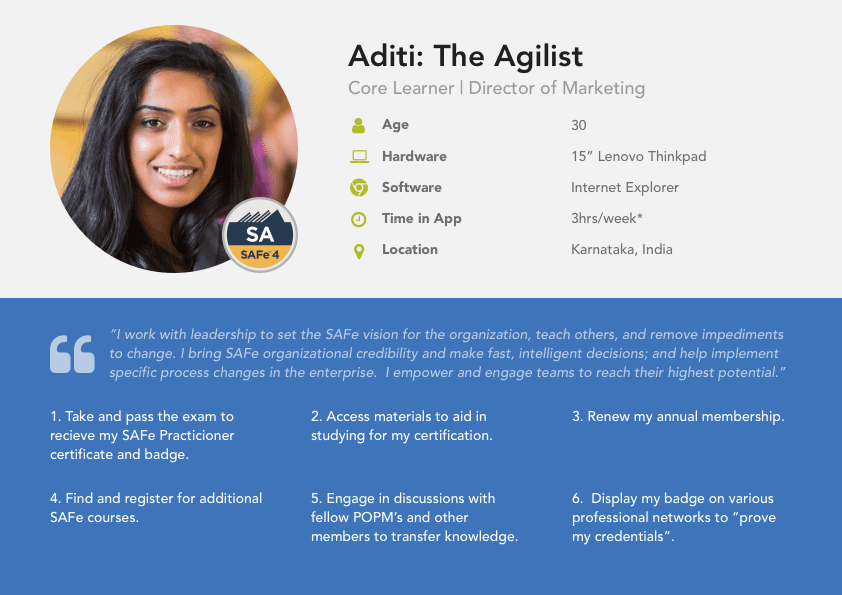
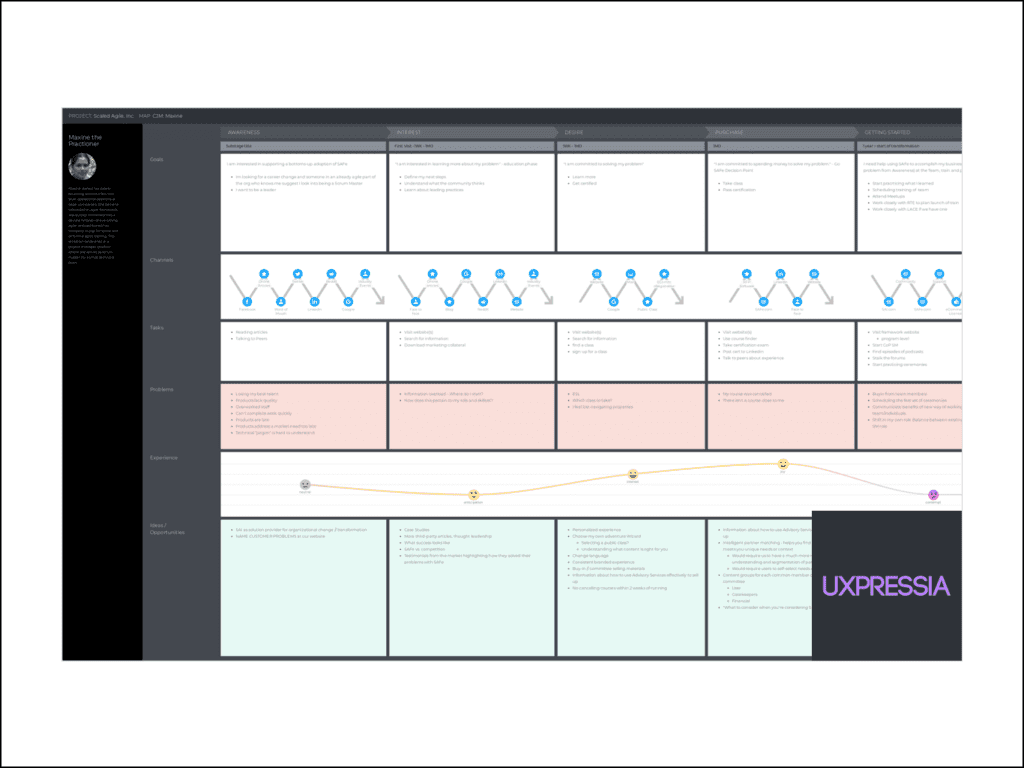
Developed personas and journey maps to align teams on shared understanding
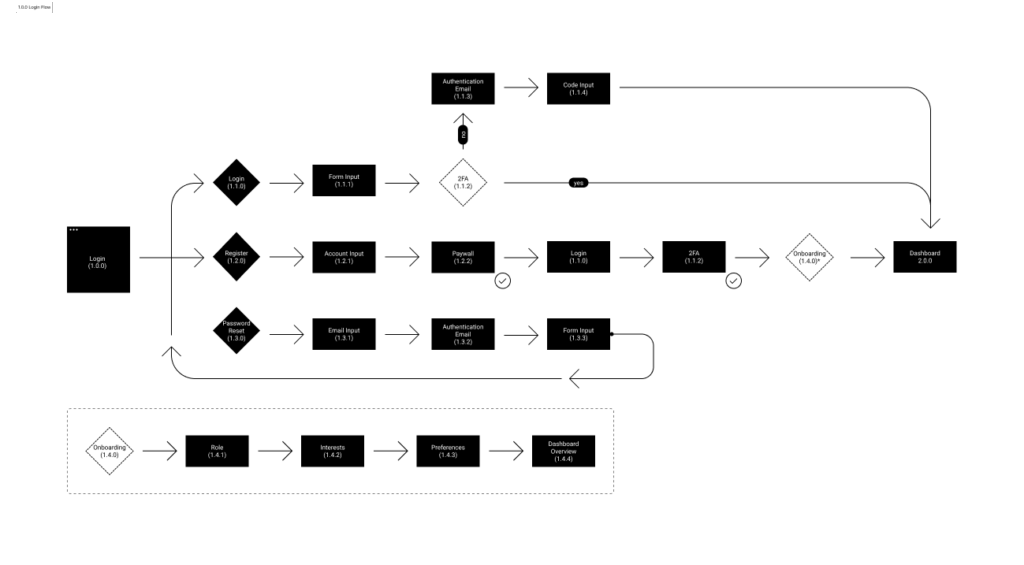
Created flow diagrams to clarify complex workflows
Impact: Teams shifted from assumption-driven decisions to validated, user-informed design. My initial research led to creating customized dashboard views for each individual role.
Caption: A view of one of the six user types –one persona for each role.
Caption: I created journey maps after completing empathy interviews with users from each role.
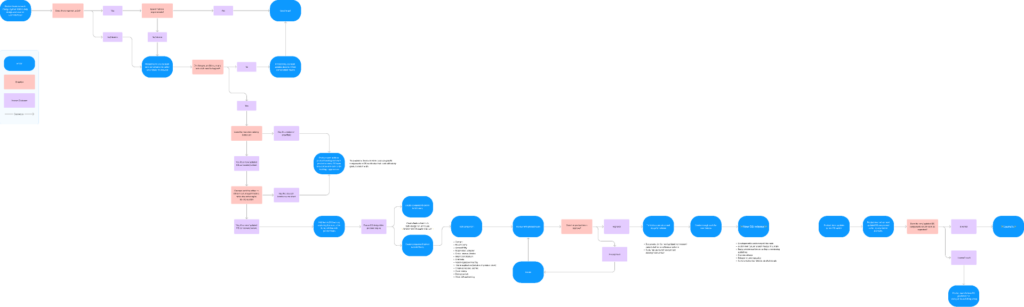
Caption: After taking multiple passes through the system as each user type, I mapped the flows, which enabled me to identify workflow optimizations.
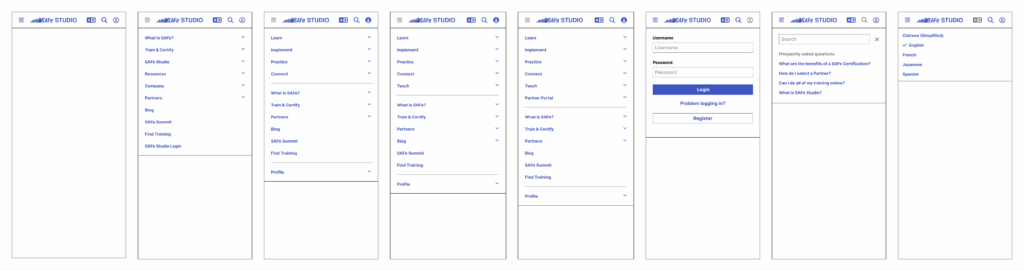
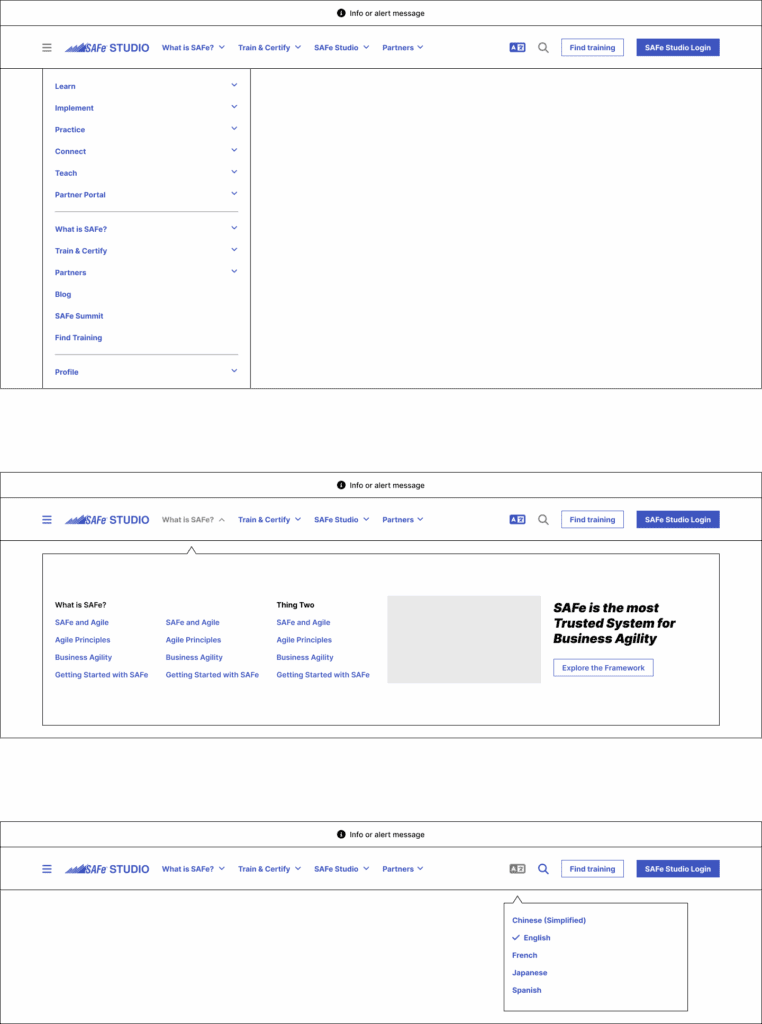
Caption: Finally, I created mobile and desktop wireframes to use for rapid prototyping sessions with stakeholders (product owners, end users, and developers).
2.Creating Continuous User Feedback Loops
To move faster and reduce risk, I operationalized user testing.
Established recurring user testing schedules
Recruited participants across key user segments
Designed testing scripts and facilitation guides
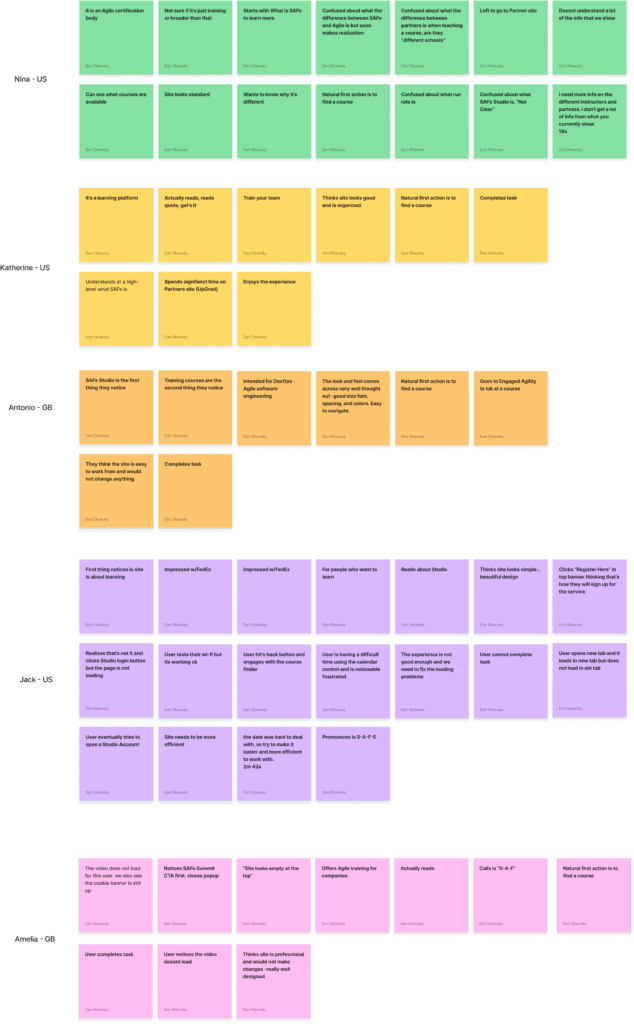
Built feedback capture systems for synthesis and prioritization
I also brought research directly to where users were:
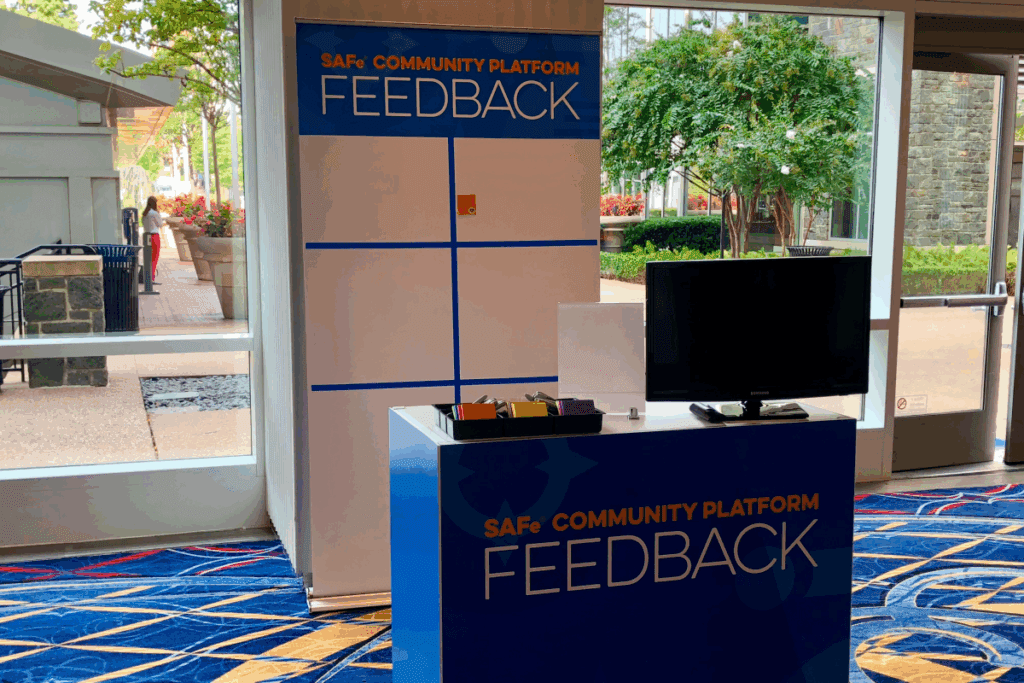
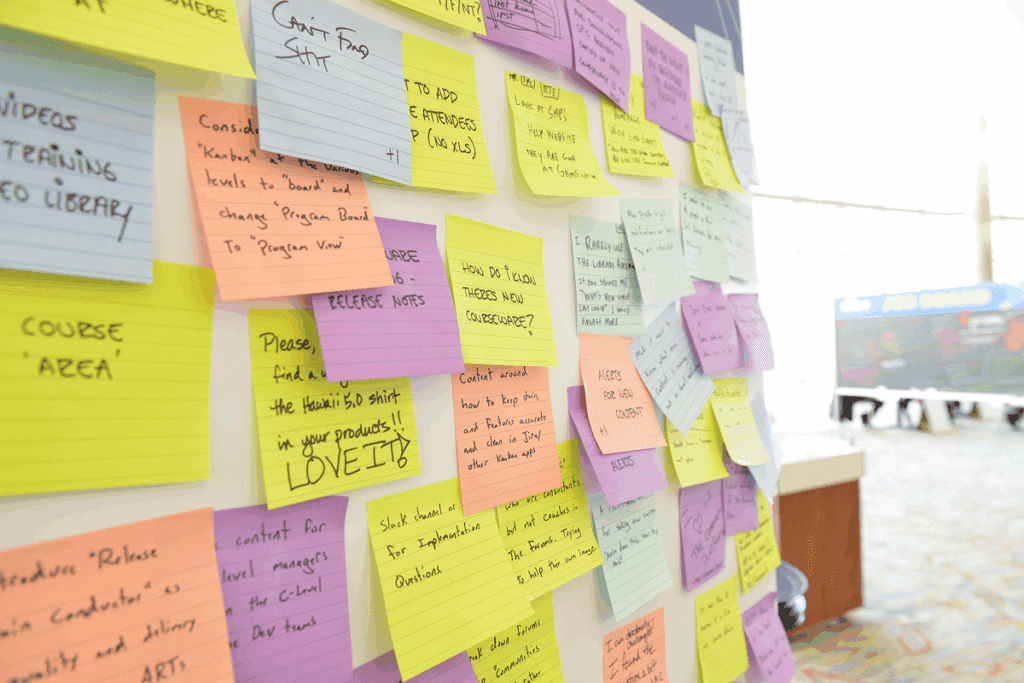
Set up testing booths at company conferences
Collected live feedback through interactive sessions and boards
Impact: Validation moved earlier in the process, reducing rework and increasing confidence in design decisions.
Caption: One of the live feedback boards to capture user feedback on the existing platform.
Caption: Next, a closeup on the feedback board as it started to fill.
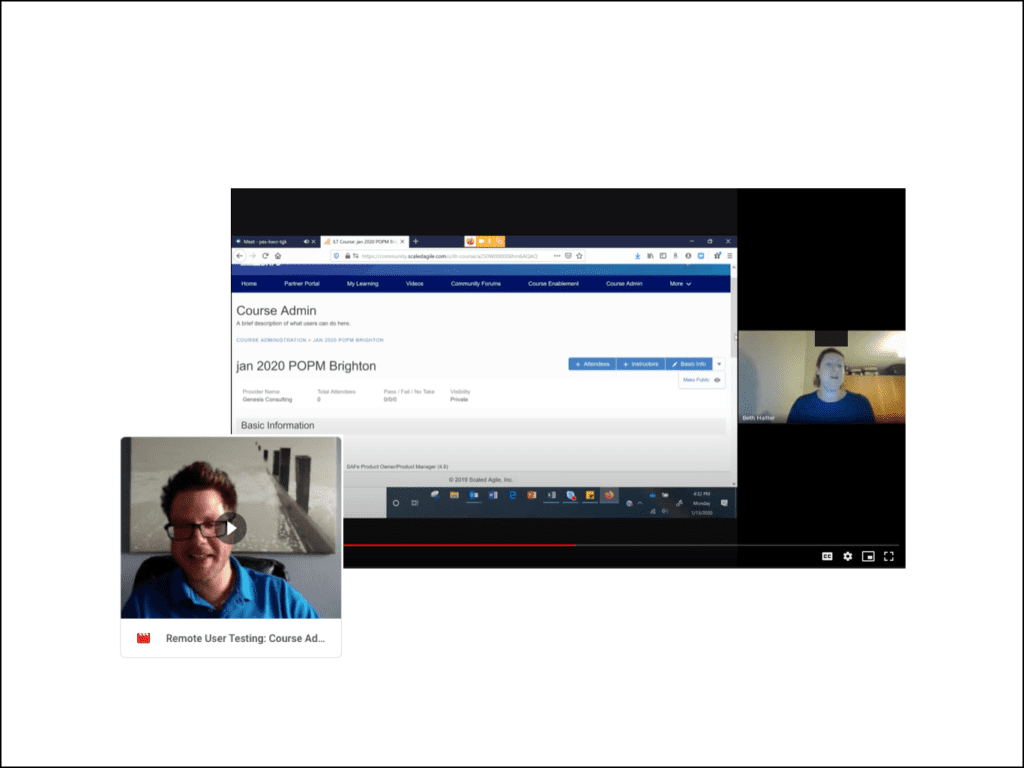
Caption: Capturing feedback virtually too.
Caption: A post-event follow up user testing session, validating the changes that were requested by many of our users.
3. Designing a Scalable System (Design System + Tokens)
To support consistency at scale, I introduced a shared design system.
Conducted a UI audit across 500+ screens and 6 systems
Identified duplication and inconsistency
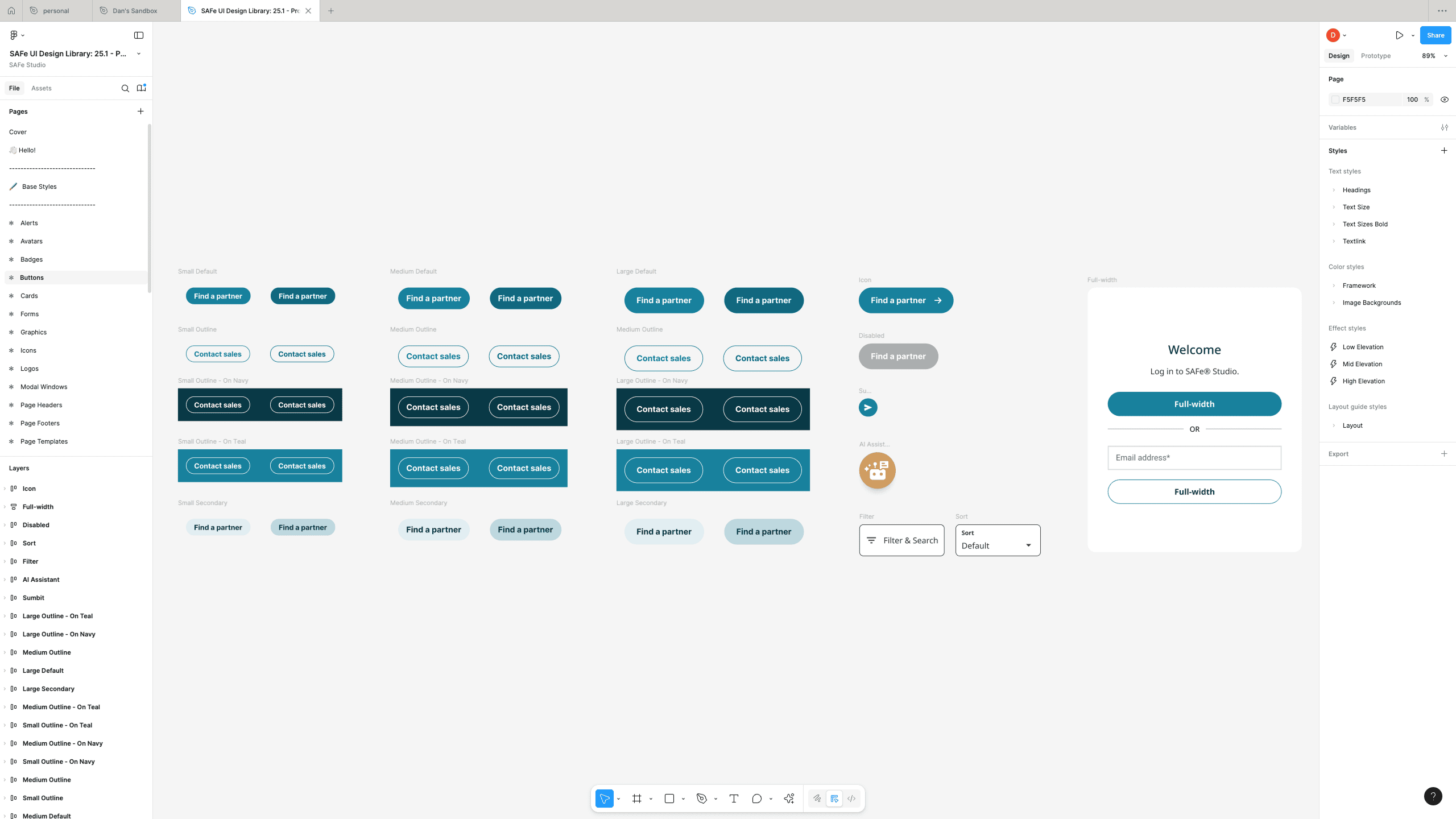
Created a component inventory and token structure
Established design tokens for color, spacing, typography, etc.
Built reusable, accessible UI components
This system unified experiences across:
Salesforce-based applications
React applications
Third-party integrations
Marketing platforms
Impact: Consistency improved while enabling teams to move faster with less friction.
Caption: First, an audit revealed that multiple styles, from multiple UI libraries, were being used. This created compounding front-end debt and inconsistent experiences.
Caption: Then, I unified all of our different web properties to use one single extensible design system.
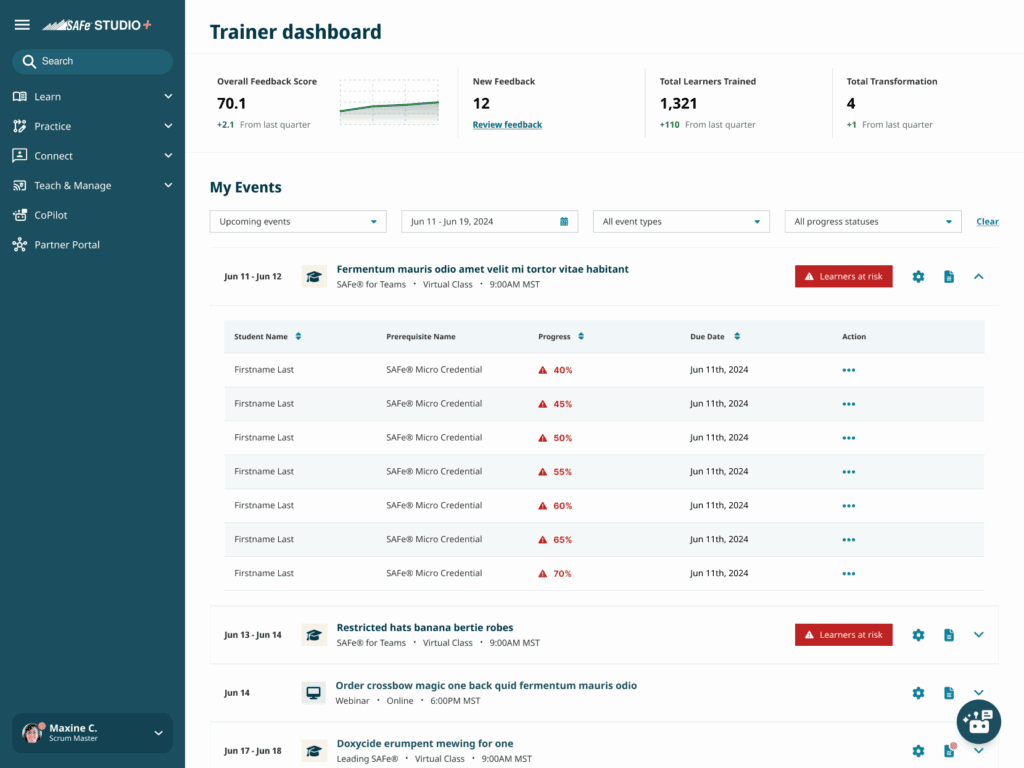
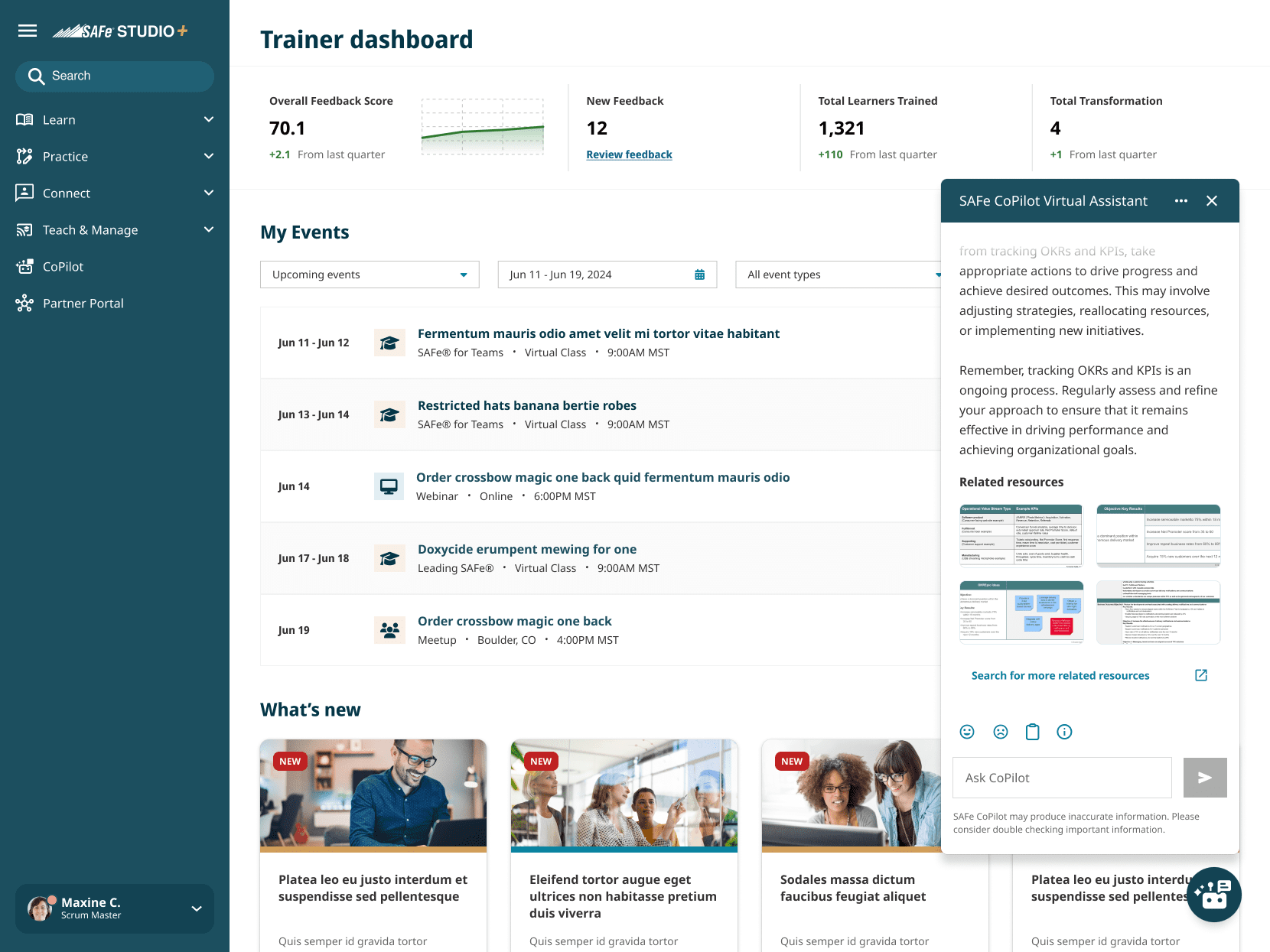
Caption: A view of the Trainer dashboard showing upcoming training sessions among other data.
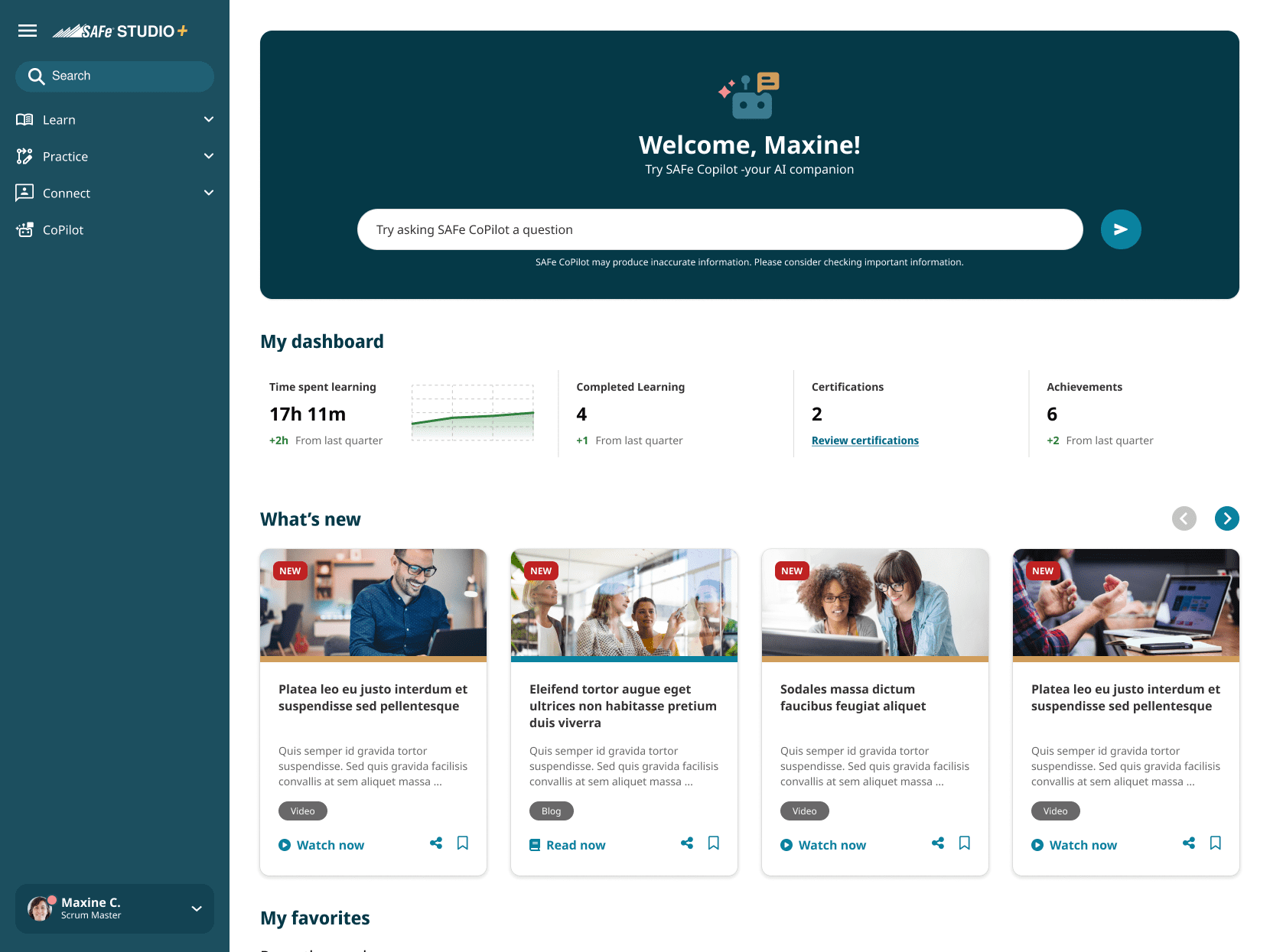
Caption: A view of Learner/Student dashboard, focused on fast findability via the AI companion.
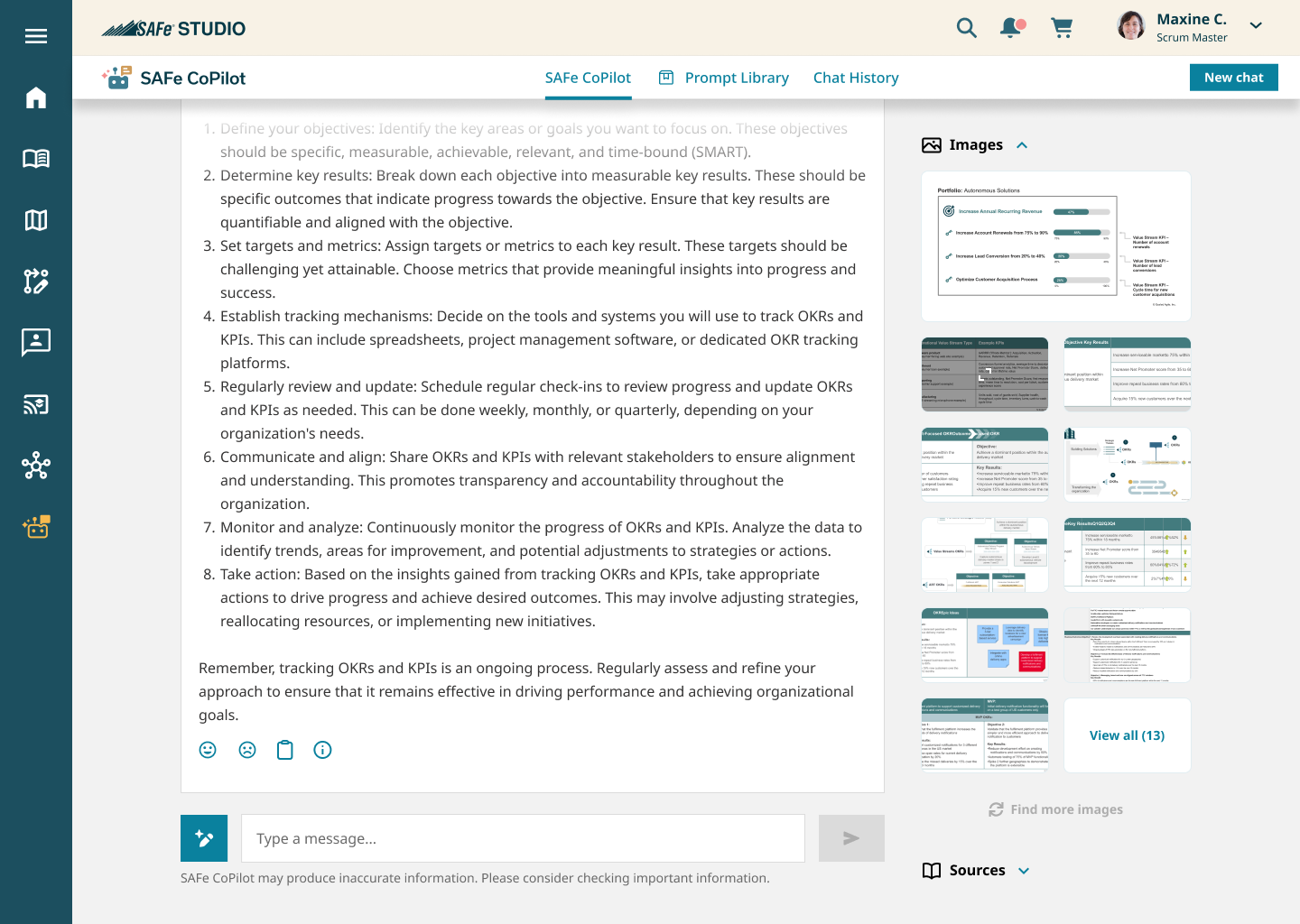
Caption: A view of the AI assistant search results .
4. Bridging Design and Engineering
A key focus was aligning design with implementation.
Partnered with engineering to integrate tokens into the codebase
Paired with developers during handoff and implementation
Created documentation and usage guidelines
Ensured parity between design and production
Impact: Reduced design-to-development cycle time by ~50% and improved implementation quality.
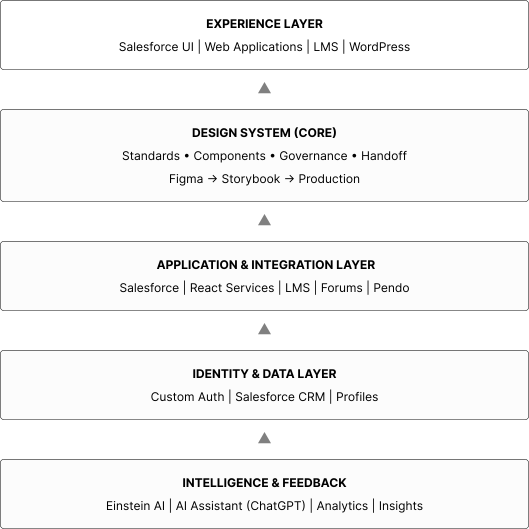
Caption: First, a simplified representation of a multi-platform ecosystem unified through a shared design system. While underlying technologies evolved over time, the design system provided a consistent user experience, governance model, and scalable foundation across Salesforce, React applications, third-party integrations, and marketing platforms.
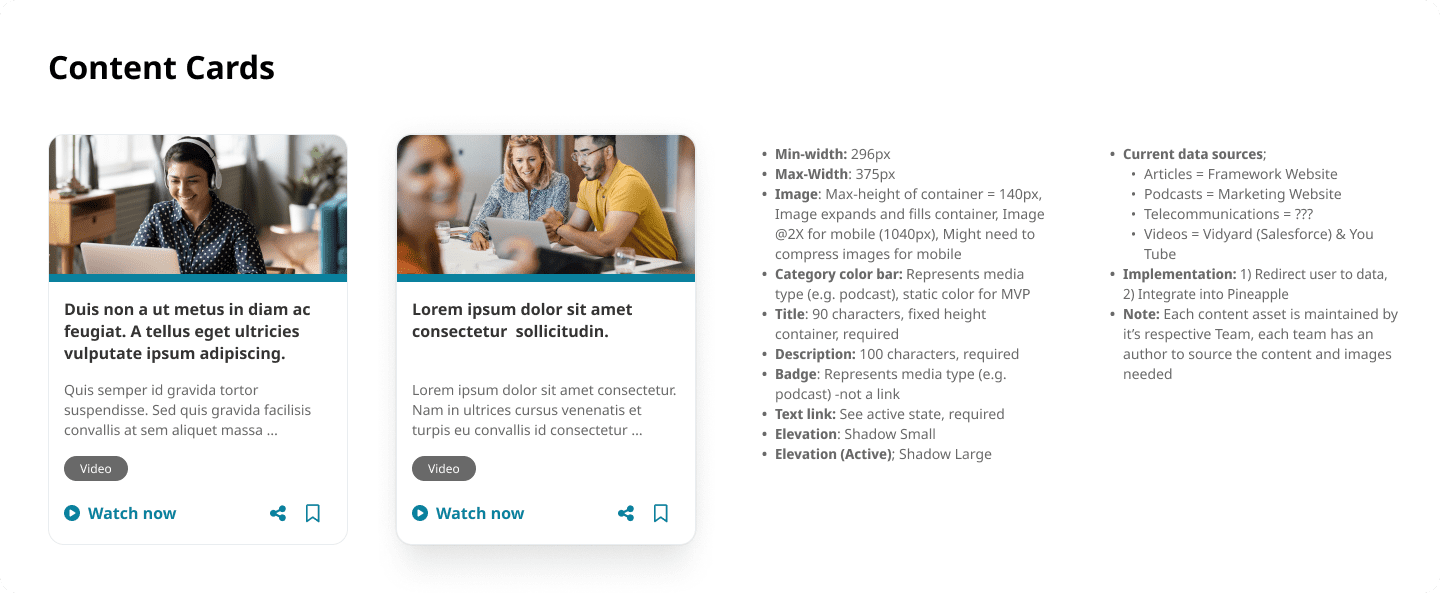
Caption: Next, a closeup view of the usage guidelines for a card component.
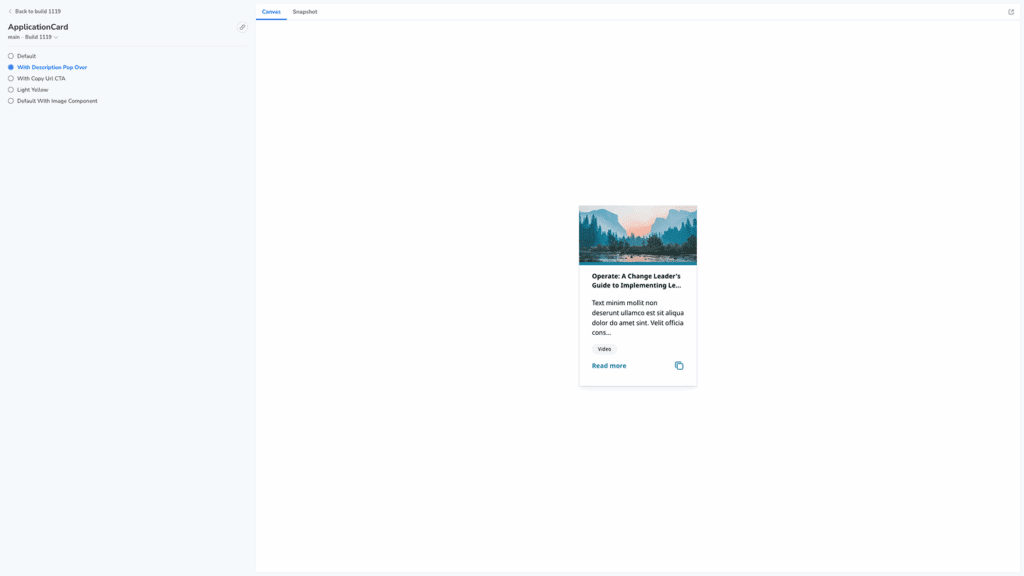
Caption: Finally, a view of the approval process of a live card component (and it’s different states) via Chromatic, which was used with Storybook.
5. Governance and Contribution Model
To maintain quality at scale, I introduced structured governance.
Centralized review process for new components and updates
Weekly cross-functional design and engineering syncs
Versioning strategy to support incremental change
Clear ownership and contribution guidelines
Caption: I used a 3-tier design token naming architecture (credit, Brad Frost).
Impact: Enabled consistency without slowing teams down.
6. Building a UX Community of Practice
I led a UX community of practice spanning 12+ designers and design-adjacent roles.
We met regularly to:
Review and evolve the design system
Align on branding and content tone
Share best practices for accessibility and scalability
Discuss real product challenges and solutions
Impact: Created alignment, mentorship, and shared ownership across teams.
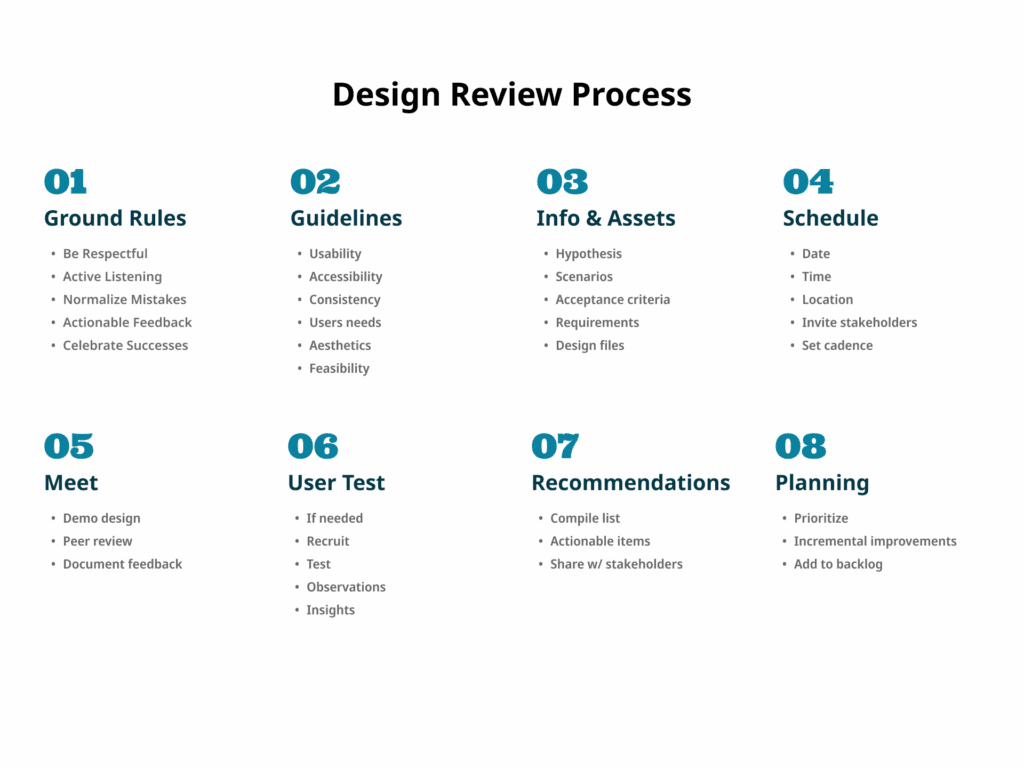
Caption: I implemented a formal and inclusive design review process adopted by all dev teams.
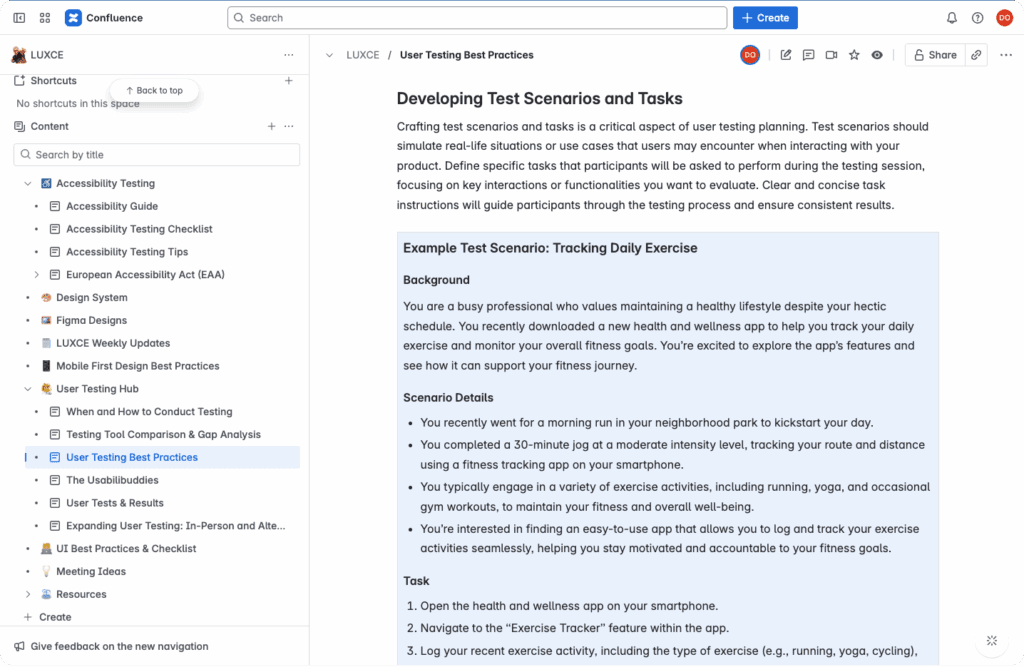
Caption: I created and maintained a detailed Confluence page covering everything from accessibility to usability guidelines.
7. Driving Product Impact Through Metrics
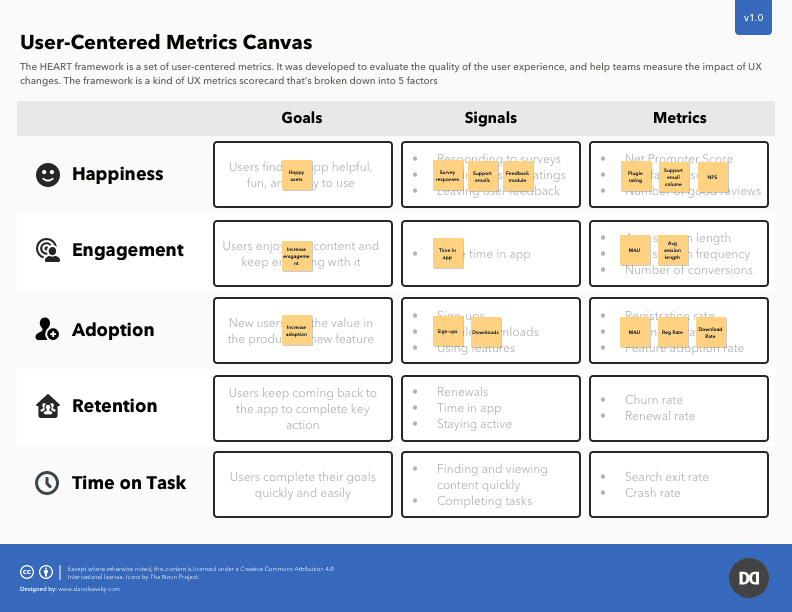
I introduced user-centered measurement using the Google HEART framework.
Tracked engagement, adoption, and task success
Partnered with product and analytics to connect UX decisions to outcomes
Identified friction points and prioritized improvements
I also worked closely with support teams to:
Reduce ticket volume through UX improvements
Identify recurring user issues
Impact
2.5× increase in product stickiness (DAU/MAU)
~50% reduction in task completion time for key workflows
Improved product quality and user satisfaction
Caption: First, each iteration brought new challenges but they were typically measured the same way, using the Google HEART Framework.
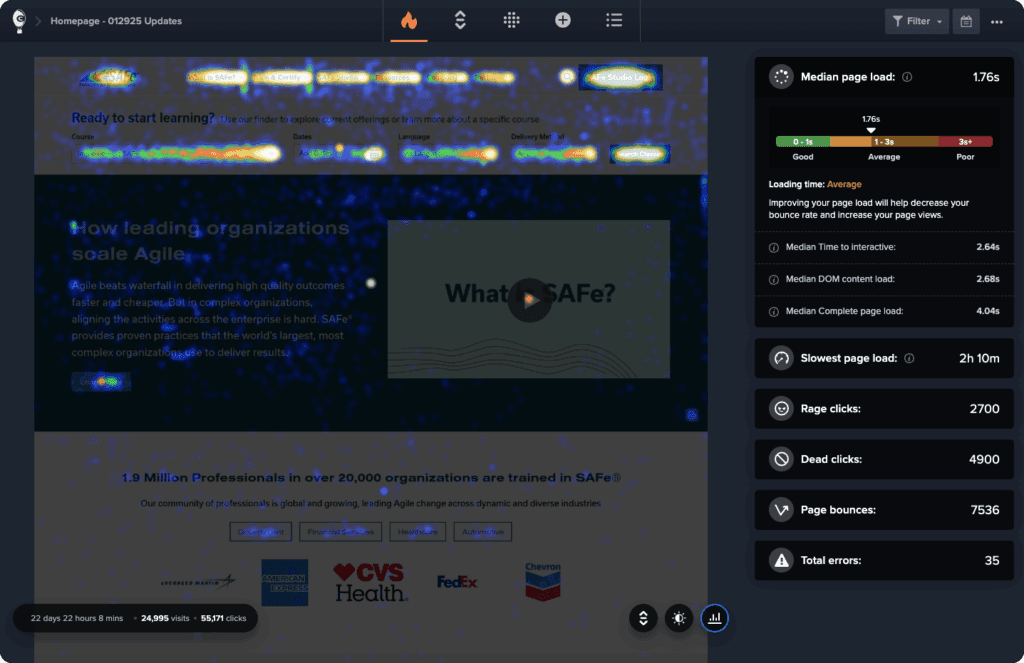
Caption: Next, heat maps were used, among many other tools, to connect metrics to signals.
8. Expanding Impact Beyond the Product
My role extended into broader business and platform initiatives.
Worked directly with executives to align UX strategy with business goals
Contributed to and later redesigned the WordPress marketing site
Won internal hackathons that led to new product initiatives
Impact: Helped influence product direction, innovation, and brand consistency across the organization.
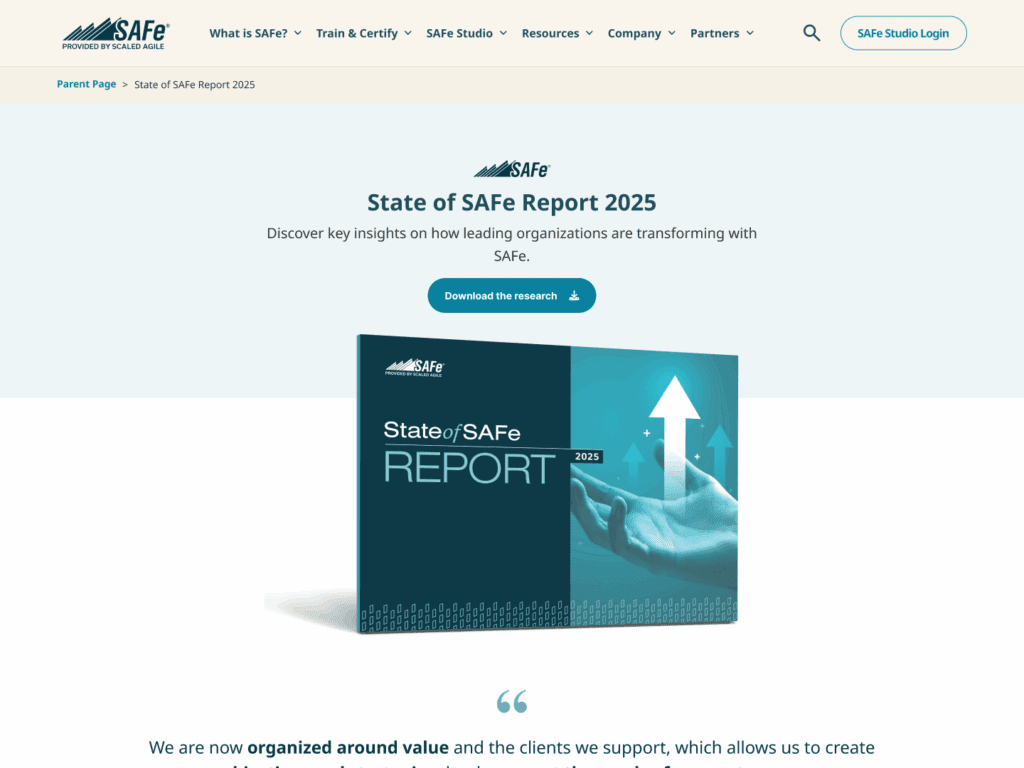
Caption: An example of one of the many template redesigns for the corporate marketing WordPress website.
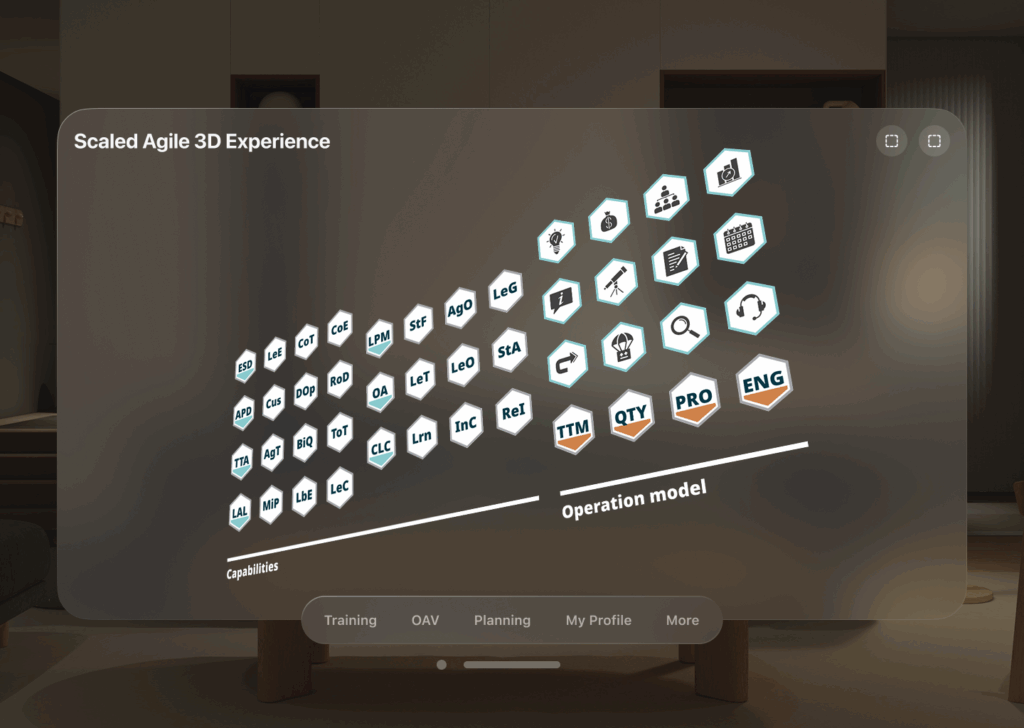
Caption: Thinking ahead, a hackathon project, converting the SAFe Framework to a fully immersive VR experience.
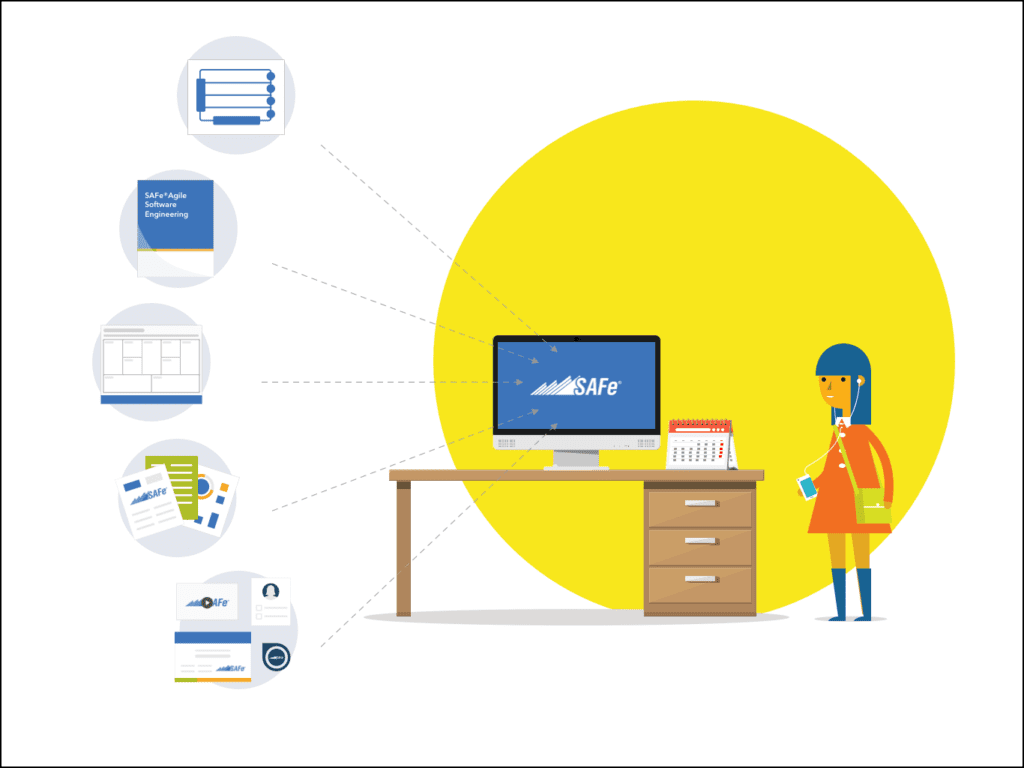
Caption: A slide from another hackathon project, unifying the entire fragmented ecosystem into one smooth, cohesive experience.
Key Learning
Scaling UX is not just about systems. It’s about alignment.
By connecting user research, design systems, engineering, and governance into a single workflow, teams can move faster, reduce complexity, and consistently deliver meaningful user value.
“I’ve been lucky to have Dan as a mentor from the very start of my career, and he’s supported my growth every step of the way. From teaching me the basics to helping me navigate more complex challenges, Dan has always been there with encouragement and thoughtful advice.
What inspires me most is how, even with 20+ years of experience, he stays curious, keeps up with the latest trends, and continues to be a lifelong learner. His example has pushed me to do the same.
I can’t overstate how much I’ve grown with Dan’s guidance. His impact goes far beyond design skills. He truly makes the people around him better.”
Taylor Myers Sr. Product Designer
Confidentiality Note
Portions of this case study have been generalized or omitted to respect client confidentiality and non-disclosure agreements. The information presented reflects work I am authorized to share publicly while preserving the integrity of proprietary data, internal processes, and sensitive business details.